☰
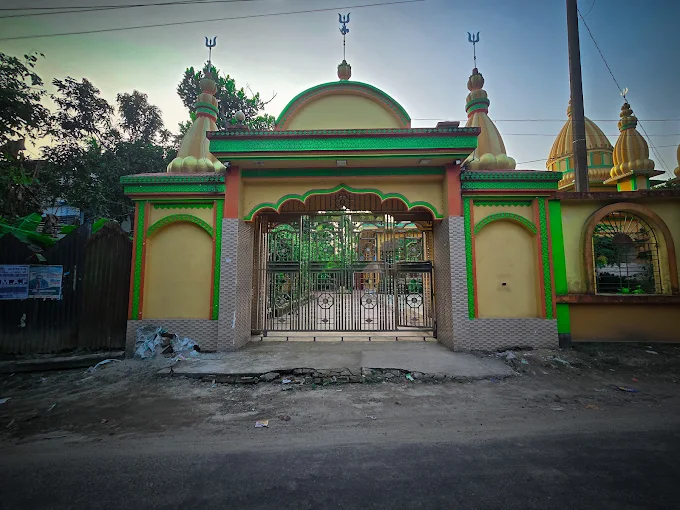
🛕 Lord Devi | 📍 Joinpur, Dakshin Surma, Sylhet, Bangladesh
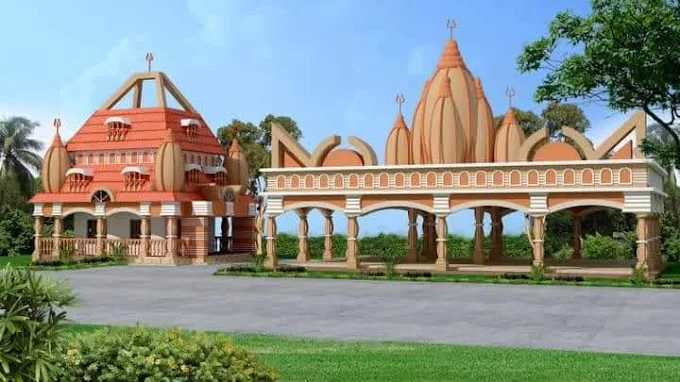
Sylhet Sri Shail Mahalakshmi Shakti Peetha (historically venerated as Shri Shri Mahalakshmi Bhairabi Griba Maha Peetha or Sri Lakhigadi Peeth) is one of the revered 51 Shakti Peethas described in sacred Hindu texts such as the Shiva Purana, Devi Bhagavata Purana, and Peetha Nirnaya. According to Shakta tradition, when Lord Vishnu deployed the Sudarshan Chakra to sever the mortal body of Goddess Sati to calm Lord Shiva's grief-stricken Tandava, the neck ('Griba' or throat) of the Goddess fell at this holy spot on the Sri Shail hills in ancient Srihatta (modern-day Sylhet). In this Peetha, the Divine Mother is worshiped as Mahalakshmi, embodying transcendental spiritual abundance, wisdom, and supreme creative energy, while the accompanying Bhairava is worshiped as Sambarananda (also revered locally as Sarvananda). Uniquely, the sanctum contains no sculpted anthropomorphic murti; instead, Mother Mahalakshmi is adored in the form of a swayambhu sacred black rock (shila) enveloped in an open-air roofless sanctuary. Traditional belief holds that the Mother specifically ordained that her sanctum remain open to the natural sky, allowing sunlight, moonbeams, and rains to directly touch the sacred stone. A separate holy shrine for Lord Bhairava Sambarananda stands approximately 500 metres away on a nearby elevated mound, featuring a self-manifested Shiva Linga of porous rock paired with a sacred Trishula, symbolizing the inseparable union of Shiva and Shakti.
Historically, the Sylhet region was known as Srihatta, a distinguished ancient seat of Tantric scholarship, Vedic ritualism, and later Vaishnava thought within greater Bengal and Assam. While mythological literature connects the site to the primordial origins of Shakta geography, the recorded discovery of the present temple site dates back approximately 250 to 300 years (attributed by regional records and temple chronicles to the late 18th century, with some folk accounts tracing legends earlier to the 12th–13th century). According to local temple chronicle and lore, the sacred black stone remained hidden beneath wild foliage near Joinpur village until road repair and excavation work was undertaken by a wealthy local supervisor named Deviprasad Das. While digging the ground, laborers struck an immovable, resonant black rock with their tools. Tradition recounts that a mystical young girl suddenly emerged from the woods, warned the laborer who struck the stone, and vanished. That night, Goddess Mahalakshmi appeared to Deviprasad Das in a divine dream, commanding him to consecrate the spot for daily worship. Deviprasad initially gathered lakhs of burnt bricks to construct a grand closed temple; however, the Mother reappeared in a dream, explicitly directing him never to enclose her under a closed roof, requesting worship under the open canopy of the heavens. Deviprasad followed her instruction, constructing an open-walled brick compound around the sacred shila. Over centuries, through the tumultuous geopolitical changes of the 1947 Partition of British India and the 1971 Bangladesh Liberation War, the local minority Hindu community and devoted sebayits have diligently guarded and preserved this ancient heritage, successfully protecting the land and sustaining ancient worship rituals down to the present day.
Devotees traditionally believe that worshiping where Mother Sati's neck (Griba) fell bestows clarity of speech, truthful expression, eloquence, and cleansing of the subtle Vishuddha energy center.
Revered as the seat of Mahalakshmi, sincere prayers here are traditionally believed to alleviate financial distress, clear obstacles to livelihood, and invite domestic harmony and holistic prosperity.
Praying at the accompanying shrine of Sambarananda Bhairava is held by Shakta tradition to dispel irrational fears, psychic burdens, hostile afflictions, and malevolent planetary impacts.
Meditation before the swayambhu sacred shila under the open sky is traditionally believed to deepen inner consciousness, bestow serene detachment, and lead the soul toward spiritual liberation.
Special Shakta worship held every Saturday and Tuesday, drawing devotees from across the region to offer vermilion, red cloth, and sacred flowers for special intentions.
A historic three-day annual festival observed during Chaitra Navaratri across Saptami, Ashtami (Ashoka Tithi), and Navami, celebrated continuously for over 250 years with grand yajnas and community feast.
Elaborate autumnal festivities celebrating Vijaya Dashami and Kojagari Purnima with extended nightly aratis, Chandi path readings, and offerings of seasonal harvest grains.
Special abhishekam and archana offered to the swayambhu Shivalinga and sacred trident at the adjacent Bhairava shrine, especially performed on Mondays and monthly Shivaratri.
No festivals available.
📍 85.06 km away
📍 145.70 km away
📍 155.57 km away
📍 248.85 km away
📍 249.07 km away
📍 278.48 km away
Stays near Sylhet Sri Shail Mahalakshmi Shakti Peetha

📍 Near Kurinji Andavar Temple · 2,225.6 km
stayStarting from ₹2,000 / night
Discover more temples you may be interested in
You may also like these temples