☰
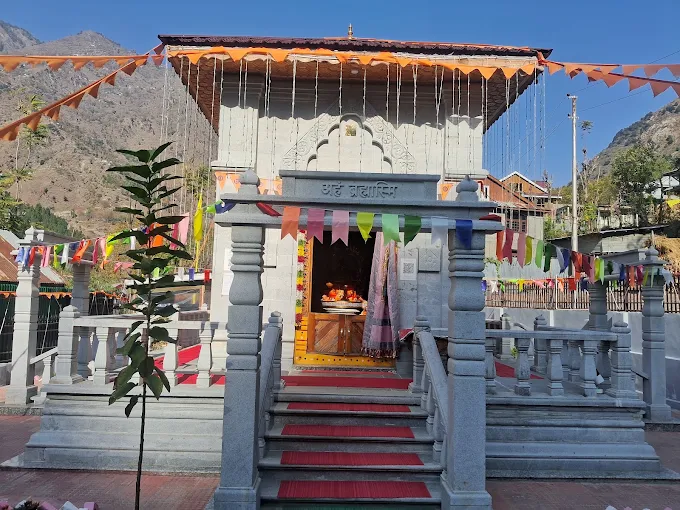
🛕 Lord Devi | 📍 Teetwal, Karnah, Kupwara, Jammu and Kashmir
Sharda Peeth is revered in Sanatana Dharma as one of the 18 Maha Shakti Peethas and an eminent historic cradle of Vedic philosophy and higher learning. According to Shakta tradition, this sacred site marks the holy spot where the right hand of Goddess Sati fell during Lord Shiva's celestial dance of dissolution (Tandava). Mata Sharda is worshipped as a supreme form of Adi Parashakti and the goddess of knowledge, arts, and wisdom (Saraswati). Historically, Kashmir was reverently addressed as 'Sharada Desh' (the land of Goddess Sharada), and scholars across the Indian subcontinent invoked the deity before commencing their studies through the celebrated prayer 'Namaste Sharade Devi Kashmira Puravasini'. Beyond its Shakta primacy, the shrine is traditionally consecrated as a 'Sarvajna Peetham' (Throne of Omniscience), where great spiritual masters, including Jagadguru Adi Shankaracharya and Vaishnavite philosopher Ramanujacharya, engaged with leading scholars. While the ancient stone ruins of the temple university lie in Sharda village in Neelum Valley across the Line of Control (PoK), the newly consecrated Mata Sharda Devi Temple at Teetwal in Kupwara district of Jammu and Kashmir serves as the vibrant spiritual threshold and active pilgrimage shrine in India. Standing at the banks of the sacred Kishanganga River on the exact grounds of the historic annual yatra base camp (Teerthbal), the reconstructed temple has revitalized ancient heritage, hosting daily worship, Vedic chanting, and cross-cultural spiritual devotion.
The recorded history and spiritual heritage of Sharada Peeth span over two millennia, intertwining imperial patronage, academic brilliance, and regional resilience. Between the 6th and 12th centuries CE, Sharada Peeth flourished as one of the premier temple universities of Asia, comparable to Nalanda and Takshashila. It housed a celebrated library and drew scholars, grammarians, and philosophers from across India, Tibet, China, and Central Asia. The Sharada script, which became the principal writing system of northwestern India and Kashmiri Sanskrit texts, originated and developed under the auspices of this intellectual centre. Stylistically and architecturally, the monumental temple in the valley has been linked by historians and archaeological records to the Karkota dynasty, notably Emperor Lalitaditya Muktapida (8th century CE), who also commissioned the Martand Sun Temple, with successive renovations during the Utpala and Lohara dynastic periods. Kalhana's 12th-century historical chronicle, the 'Rajatarangini', frequently documents the prominent spiritual and political prominence of Sharada Peeth. For centuries, Teetwal (originally known as 'Teerthbal' meaning the ghat of pilgrimage) functioned as the vital gateway and staging ground. Devotees from across India gathered at Teetwal to perform holy ablutions in the Kishanganga River before journeying along the pilgrim trails to the grand temple. However, the partition of India in 1947 and the Pakistani tribal invasion dramatically ruptured this continuity. The original pilgrimage base camp and dharamshala at Teetwal were burned down, and the temple site fell into Pakistan-administered territory, cutting off Indian pilgrims. In response, the Save Sharda Committee Kashmir, under the leadership of Ravinder Pandita, waged an extensive grassroots movement to reclaim the sacred land at Teetwal. With the ceremonial and spiritual backing of Jagadguru Shankaracharya of Dakshinamnaya Sri Sringeri Sharada Peetham, a magnificent stone temple conforming to traditional Kashmiri temple architecture was constructed. A pristine panchaloha idol consecrated at Sringeri was ceremoniously escorted across India and enshrined at Teetwal. On March 22, 2023, the restored Mata Sharda Devi Temple was formally dedicated to the nation by Union Home Minister Amit Shah.
According to Hindu tradition, worshipping Goddess Sharada grants acute concentration, intellect (Buddhi), academic success, and the retention of deep spiritual knowledge.
Devotees pray to Devi Sharada as the presiding goddess of sacred speech (Vak) to overcome speech impediments and attain refinement in debate, creative writing, and poetry.
Traditional belief holds that contemplation at this Shakti Peetha clears inner confusion, dispels tamasic lethargy, and instils emotional equanimity and serenity.
Taking a sacred dip at the Swami Nandlal Ji Ghat on the Kishanganga River at Teetwal is traditionally believed to cleanse negative karmic burdens and sanctify the mind before worship.
Offering prayers facing the sacred geography of Sharada Peeth is considered equivalent to visiting the revered abode of Adi Parashakti, bestowing divine protection and spiritual elevation.
Sacred ceremonial initiation of young children into writing and learning before Goddess Sharada, where the child is guided to trace sacred syllables in rice or on a slate.
Special sacred fire offerings and homas organized within the temple premises for peace, spiritual prosperity, and educational milestones; performed by the resident priest or visiting family purohits.
Annual consecration anniversary celebrations conducted in collaboration with Dakshinamnaya Sri Sringeri Sharada Peetham, including special Vedic parayana, Maha Abhisheka, and Mahaprasadam distribution.
No festivals available.
📍 160.12 km away
📍 186.39 km away
📍 210.08 km away
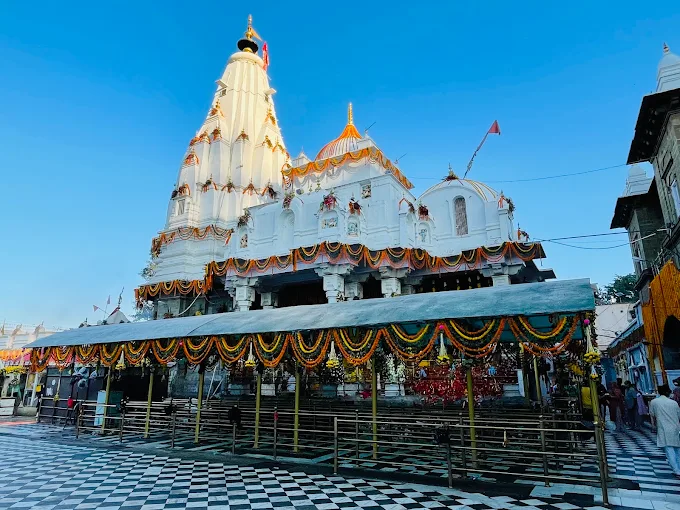
📍 344.56 km away
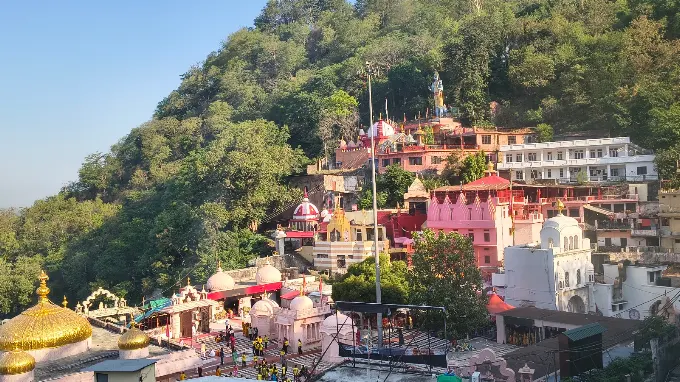
📍 367.00 km away
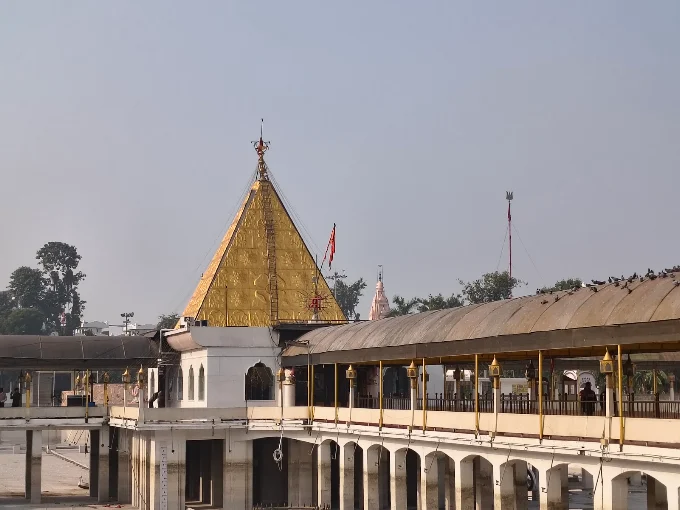
📍 378.80 km away
Stays near Sharda Sharada Peeth

📍 Near Kurinji Andavar Temple · 2,712.1 km
stayStarting from ₹2,000 / night
Discover more temples you may be interested in
You may also like these temples