☰
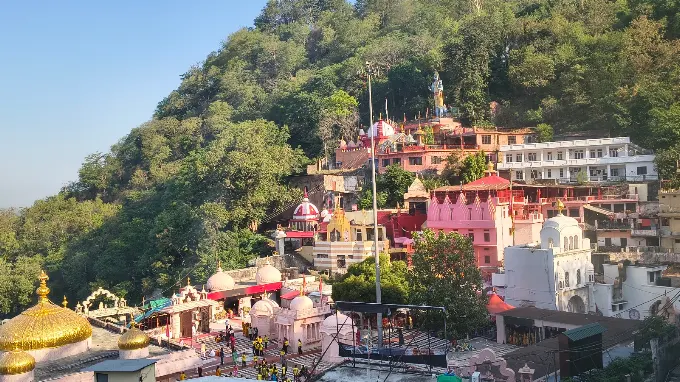
🛕 Lord Devi | 📍 Jwalamukhi, Kangra, Himachal Pradesh
The Kangra Jwala Ji Temple, located in the town of Jwalamukhi in the lower Shivalik ranges of Himachal Pradesh, is widely venerated as one of the 51 sacred Shakti Peethas of Hinduism. According to traditional Shakta theology, this is the sanctified spot where the tongue (Jihva) of Goddess Sati fell when Lord Vishnu dismembered her body with the Sudarshana Chakra to pacify Lord Shiva's grief-stricken cosmic dance (Tandava). What renders the temple exceptional among Indian pilgrimage centres is the complete absence of a carved idol or anthropomorphic image in the inner sanctum (garbhagriha). Instead, the Divine Mother is worshipped directly in the form of natural, eternal blue flames that continuously emerge from crevices in the solid sandstone rock.
Devotees revere nine distinct eternal flames in the sanctum, each personifying a specific divine aspect of the supreme feminine energy (Navadurga): Mahakali, Annapurna, Chandi, Hinglaj, Vindhyavasini, Mahalakshmi, Saraswati, Ambika, and Anjana Devi. The principal flame represents Goddess Jwalamukhi herself, symbolizing self-illumination, divine speech (Vak), and cosmic primordial energy (Tejas). Because Sati's tongue fell here, the shrine is regarded as a primary vortex of Vani Siddhi—the spiritual gift of truthful and effective speech—as well as the awakening of the inner Kundalini energy, specifically the Vishuddha and Ajna chakras.
From a natural science perspective, the eternal flames are fueled by subterranean natural gas seeping through geological faults in the Himalayan foothills. However, for centuries of pilgrims, the continuous burning of these flames without any external fuel source or human intervention is celebrated as a living, self-manifest (Swayambhu) miracle of the Goddess. The temple also shares profound historical associations with the Nath yogic tradition, featuring sites like 'Gorakh Dibbi,' where water in a small pool appears to boil due to trapped gases while remaining cool to the touch. Jwala Ji remains an essential component of the famed 'Nau Devi' (Nine Goddesses) pilgrimage circuit of northern India.
The history of Kangra Jwala Ji Temple is a tapestry woven of ancient mythological traditions, royal patronage spanning different dynasties, and recorded historical encounters. Mythological tradition traces the shrine's founding to Raja Bhumi Chand Katoch, an ancient ruler of the Kangra (Trigarta) dynasty. According to temple lore, the Raja received a divine dream indicating the location of Sati's tongue in the Shivalik hills. He sent his scouts into the dense forests, discovered the flames emerging miraculously from the rock, and consecrated the first temple complex at the site.
Recorded medieval history affirms the immense cultural and religious prominence of the shrine. In 1360–1361 CE, during the military expedition of Sultan Firuz Shah Tughlaq against Nagarkot (Kangra), the Sultan visited the Jwalamukhi temple complex. While medieval Persian historians document the looting of treasuries, Firuz Shah was captivated by the rich temple library containing ancient Sanskrit treatises. He commissioned scholar Izzuddin Khalid Khani to translate around 1,300 Sanskrit manuscripts from the temple collection into Persian, resulting in the famous work titled 'Dalail-i-Firuz Shahi,' dealing with philosophy, astronomy, and sciences.
A renowned legend associates the temple with the Mughal Emperor Akbar in the late 16th century. Devotional lore recounts that Akbar, skeptical of the miraculous eternal flame, attempted to extinguish it by diverting mountain streams over the crevice and covering the fissures with thick iron cauldrons. The flames persistently pierced through, defying all efforts. Convinced of the divine presence, Akbar is said to have visited the shrine on foot to offer an exquisite solid gold umbrella (chhatra). Tradition holds that the Goddess declined his gift due to imperial hubris, causing the gold to instantly transform into a tarnished, unidentified metallic alloy. While 16th-century Mughal imperial annals chronicle conflicts between the empire and the Rajas of Kangra, the transformed umbrella remains on display in the temple courtyard as a cherished article of faith.
In the early 19th century, the temple received grand architectural patronage from the Sikh Empire. In 1815, Maharaja Ranjit Singh visited the shrine following his diplomatic and military consolidation in the Kangra valley. To express his reverence, Ranjit Singh generously covered the central dome and pinnacles with pure gold leaf. His son, Prince Kharak Singh, later gifted ornate silver-plated folding doors for the sanctum sanctorum. The colossal brass bell suspended in the outer mandapa was gifted by the King of Nepal.
The temple survived the catastrophic Kangra earthquake of 1905, though adjoining structures suffered damage and were subsequently restored. In the post-independence era, the Government of India and the Oil and Natural Gas Corporation (ONGC) conducted geological surveys in the surrounding hills exploring the hydrocarbon fields that feed the subterranean fires. Today, the temple is administered and systematically maintained by the Himachal Pradesh Government Temple Trust.
According to Shakta tradition, worshipping at the site where Goddess Sati's divine tongue fell blesses devotees with eloquence, clear expression, and truth in speech (Vak Siddhi).
Devotional belief holds that meditating upon the eternal, unquenchable sacred flames burns away inner negativity, fear, depression, and subtle karmic toxins.
Pilgrims believe that praying to Maa Jwalamukhi instills physical vitality, inner resilience, and courage, enabling individuals to overcome formidable life obstacles.
Offering sincere prayers, red chunri, and traditional rabri bhog at the flames is traditionally believed to grant legitimate worldly desires and fulfill earnest long-standing vows (manokamna).
Because the nine flames embody deities including Mahalakshmi, Annapurna, and Saraswati, devotees venerate the shrine to secure household nourishment, wealth, and academic illumination.
Sacred fire oblations conducted by temple priests at the ancient Yajna Shala in the temple courtyard, invoking divine feminine energy through Vedic mantras and samagri offerings on behalf of devotees.
The recitation of the 700 sacred verses of Devi Mahatmya by learned purohits to invoke the protective armor of the Goddess for peace, health, and spiritual upliftment.
The ceremonial offering of red embroidered garments (Chola), ornate chunris, and the sacred temple flag (Dhwaja) to the holy flames to fulfill vows.
Voluntary sponsorship and contribution towards the continuous free community kitchen operated by the temple trust, serving sanctified meals to visiting pilgrims.
Held annually during the monsoon month of Shravan, this major state-monitored mela centers around Shravan Shukla Ashtami across the key Shakti Peethas of Himachal Pradesh, includin...
The temple observes both the Magha and Ashadha Gupt Navratris as significant periods of spiritual sadhana and ritual chanting. Formally initiated with Kanya Pujan and attended by t...
Sharad Navratri is one of the two premier annual festivals celebrated at the Jwala Ji Shakti Peetha. Devotees gather from across northern India to worship the eternal sacred flames...
Chaitra Navratri marks the spring fair and the commencement of the traditional Hindu New Year. Celebrations at Jwala Ji begin with ceremonial flag hoisting (Dhwajarohan) and Ghatas...
📍 25.70 km away
📍 66.43 km away
📍 91.82 km away
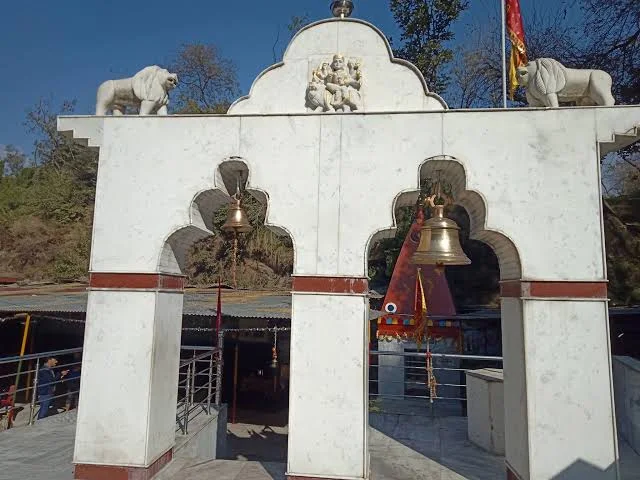
📍 160.09 km away
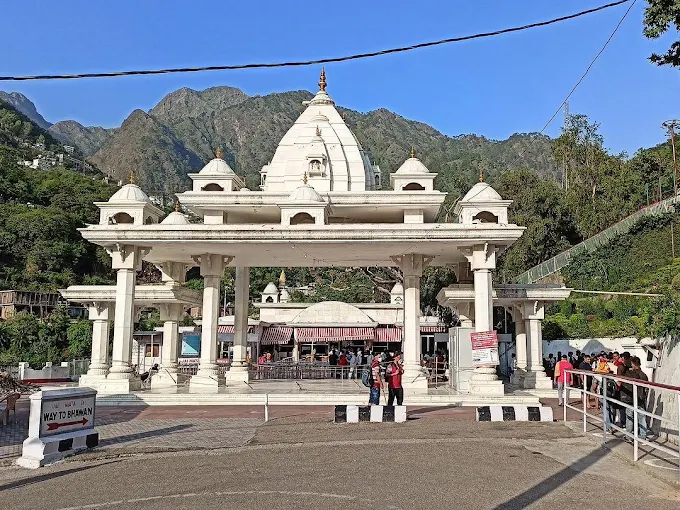
📍 182.05 km away
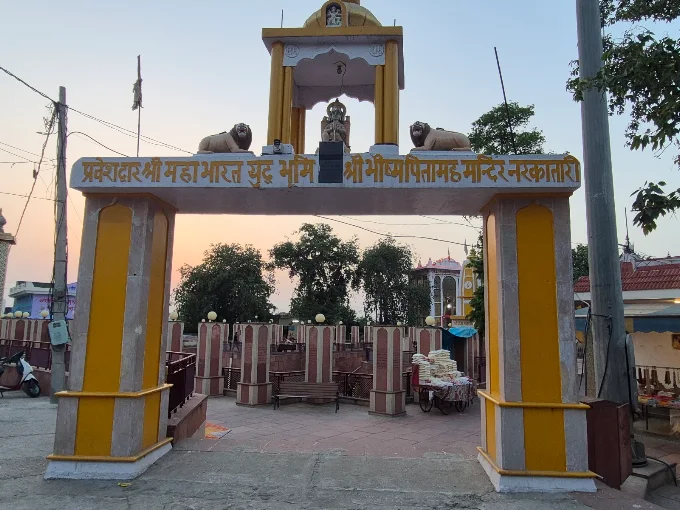
📍 216.34 km away
Stays near Kangra Jwala Ji Shakti Peetha Temple

📍 Near Kurinji Andavar Temple · 2,408.8 km
stayStarting from ₹2,000 / night
Discover more temples you may be interested in
You may also like these temples