☰
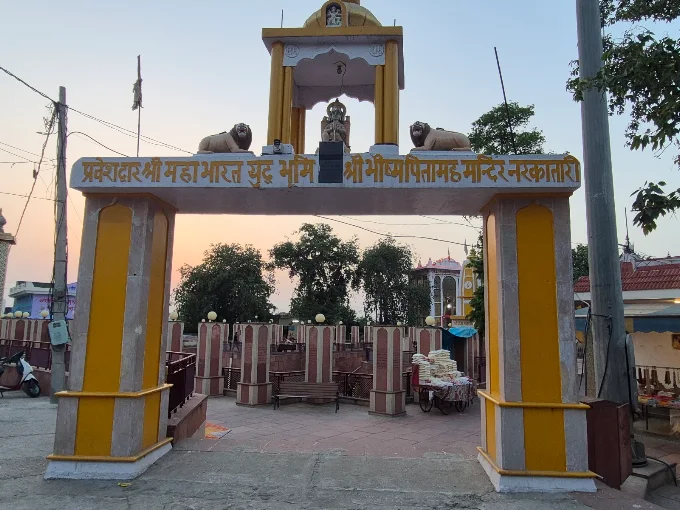
🛕 Lord Devi | 📍 Kurukshetra, Kurukshetra, Haryana
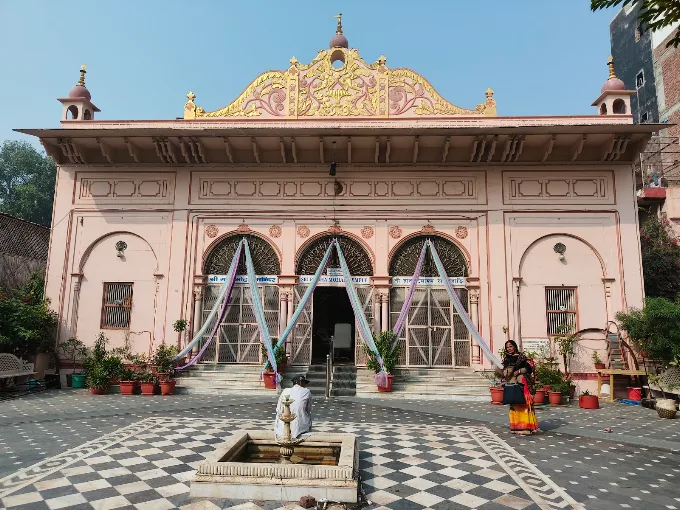
Kurukshetra Savitri Shakti Peetha, officially known as Shaktipeeth Shri Devikoop Bhadrakali Mandir, is one of the revered 51 Shakti Peethas celebrated across the Indian subcontinent. In classical Shakta scripture, including the Tantra Chudamani, the holy site is identified with the cosmic presence of Devi Savitri as the presiding Shakti and Sthanu (a fierce form of Lord Shiva) as Her Bhairava. Scriptural lore maintains that when Lord Vishnu dismembered the mortal body of Devi Sati with His Sudarshan Chakra to pacify the cosmic grief of Lord Shiva, Her right ankle (gulpha) fell at this consecrated spot into a holy spring or well, known as Devikoop. Today, this spot is commemorated inside the inner sanctum through a sanctified marble structure sculpted in the form of a lotus holding the holy foot/ankle.
Beyond its Shakta primacy, the shrine holds deep spiritual ties to the Mahabharata epic and Vaishnava lore. According to regional tradition, Lord Krishna and the Pandava brothers worshipped Goddess Bhadrakali at this site before entering the Kurukshetra war to invoke divine sanction for the victory of Dharma over Adharma. Upon their ultimate triumph, the Pandavas are said to have offered their finest chariot horses in thanksgiving. This legend fostered a centuries-old devotional practice where pilgrims who have their prayers answered present miniature horses sculpted in terracotta, brass, or silver. Furthermore, devotional lore holds that the first haircut or tonsure ceremony (mundan) of Sri Krishna and His elder brother Balarama was performed at this very shrine, making it a sacred destination for child-blessing ceremonies and family rites.
The history of the Savitri Shakti Peetha in Kurukshetra bridges ancient scriptural references and centuries of living community worship in Thanesar (historically known as Sthaneswar, named after Sthanu Mahadev). While sacred texts such as the Mahabharata, Vamana Purana, and regional sthala-mahatmyas celebrate Kurukshetra as a primordial holy land bounded within 48 kos, the Shakti Peetha specifically marks the spiritual focal point of female cosmic energy in this sacred expanse.
From a historical and archaeological perspective, Thanesar flourished as an important imperial capital during the Pushyabhuti dynasty in the 6th and 7th centuries CE, notably under King Harshavardhana. The town saw extensive temple patronage over centuries, though several shrines endured destruction during waves of medieval invasions in northern India. Worship at the site of the sacred well (Devikoop) was preserved through oral traditions, local priestly lineages, and community devotion.
The present temple architecture reflects late 20th and 21st-century Nagara-style reconstruction undertaken under the guidance of the temple trust and spiritual leadership (notably Peethadhyaksh Guru Baba Satpal Sharma and earlier custodians). Built predominantly of red stone and modern materials, the complex features a striking 108-foot main shikhar (dome) dedicated to Maa Bhadrakali, flanked by secondary 71-foot spires. Two sacred sanctums are maintained: the primary temple housing the adorned idol of Maa Bhadrakali, and the sanctified subterranean well chamber (Shri Devikoop) containing the symbolic marble lotus marking the relic of Devi Sati. Additional shrines honor Saraswati, Lakshmi, Radha-Krishna, and Sthanu Shiva, creating a harmonious confluence of Shakta, Shaiva, and Vaishnava traditions.
According to ancient tradition, offering prayers and vowing to present miniature horses to Devi Bhadrakali upon success leads to the swift realization of desires and goals, mirroring the Pandavas' victory.
Devotees worship Maa Bhadrakali as the fierce protector against malefic planetary forces, court disputes, and injustice, seeking Her supreme maternal shield.
In accordance with the belief that Sri Krishna and Balarama had their first haircut here, performing a child's tonsure ceremony at this Shakti Peetha is believed to bestow longevity, health, and intellect.
Darshan of Devi Sati's right ankle at Devikoop and revering the sacred waters is traditionally held to cleanse past negative karmic influences and alleviate physical afflictions.
The most unique vow-fulfillment ritual of this temple, where pilgrims offer terracotta, brass, or silver toy horses in grateful tribute to the Goddess.
Ritual tonsure of children performed inside the shrine premises following Vedic traditions, commemorating the mundan of Lord Krishna and Balarama.
Nine-day continuous Vedic sacrificial havan and recitation of Devi Mahatmyam conducted during Chaitra and Ashvin Navratri.
Devotional offering of silver umbrella (chhatra), ornate red chunri, and silver anklets (payal) dedicated to Devi Sati's holy ankle.
No festivals available.
📍 150.22 km away
📍 193.07 km away
📍 216.34 km away
📍 230.29 km away
📍 242.03 km away
📍 280.07 km away
Stays near Kurukshetra Savitri Shakti Peetha

📍 Near Kurinji Andavar Temple · 2,196.0 km
stayStarting from ₹2,000 / night
Discover more temples you may be interested in
You may also like these temples