☰
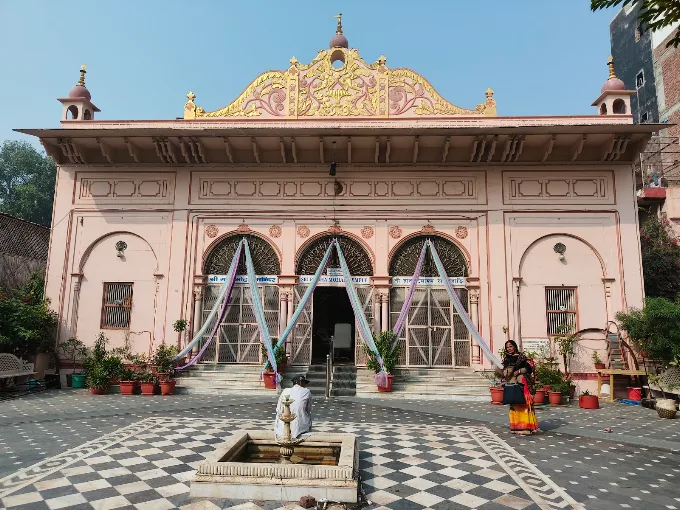
🛕 Lord Devi | 📍 Vrindavan, Mathura, Uttar Pradesh
Vrindavan Katyayani Devi Temple, widely venerated as Katyayani Peeth or Uma Shakti Peeth, is revered as one of the 51 sacred Shakti Peethas of Hinduism. According to traditional Puranic cosmology, this is the holy spot where the ringlets of hair (kesha) of Goddess Sati fell after her body was severed by Lord Vishnu's Sudarshana Chakra following the Daksha Yajna immolation. In this Peeth, the Supreme Mother is worshipped as Uma and Katyayani, while Lord Shiva is venerated as Bhotesh (Bhuteshwar Mahadev), her eternal divine guardian.
The temple holds an extraordinary place in the sacred geography of Braj by harmoniously bridging Shakta theology with Krishna Bhakti. According to the Srimad Bhagavatam (Canto 10, Chapter 22), the young maidens and gopis of Braj observed the austere month-long 'Katyayani Vrat' during the winter month of Margashirsha on the banks of the Yamuna River. They crafted a deity of Goddess Katyayani out of sand and chanted the sacred mantra ('Katyayani Mahamaye Mahayoginy Adhisvari / Nanda-gopa-sutam Devi Patim Me Kuru Te Namah'), beseeching the divine feminine energy to bestow upon them Lord Krishna as their husband. Because of this timeless pastime, Vrindavan Katyayani Peeth remains the foremost pilgrimage destination for devotees praying for marital harmony and spiritual union.
A defining scriptural and architectural hallmark of Katyayani Peeth is its embrace of the ancient 'Panch-Upasana' (the five classical Hindu devotional paths) within a single sanctified quadrangle. Here, deities representing the Shakta (Goddess Katyayani), Shaiva (Lord Shiva as Chandrashekhar), Vaishnava (Lord Lakshmi-Narayana), Ganapatya (Lord Siddha Ganesha), and Saura (Lord Surya) traditions are enshrined and propitiated according to their respective ritual methodologies. Devotees also revere the sacred sword of the Goddess known as 'Uchawal Chandrahas' and the ancient Narsingh Shila installed within the sacred precinct.
While the spiritual aura and mythological sanctification of the Shakti Peeth date back to ancient Puranic antiquity, the documented historical foundation of the present temple complex dates to the early 20th century. The shrine was rediscovered, established, and consecrated in February 1923 (on the full-moon day of the Hindu month of Magha) by the renowned yogi and mystic Yogiraj Swami Keshavanand Brahmachari Maharaj.
Swami Keshavanand Brahmachari (born Panchkodi Banerjee on December 25, 1830, in Shivanipur village, Howrah district, West Bengal) spent his youth renouncing worldly life to pursue spiritual enlightenment. He was initiated into the sannyasa order at Kamrup Math in Varanasi by Swami Ramanand Tirth and subsequently received initiation into Kriya Yoga under the legendary yogic master Yogiraj Shyamacharan Lahiri Mahasaya. Under Lahiri Mahasaya's guidance, Swami Keshavanand spent over three decades performing intense austerities and wandering across the secluded peaks of the Himalayas, where he received divine instructions during deep meditation to locate the lost Shakti Peeth of Goddess Sati in Vrindavan and reinstate public worship for the welfare of humanity.
Guided by spiritual intuition, Swami Keshavanand settled in a modest cottage at Radha Bagh on the Yamuna riverbanks in Vrindavan. He acquired the parcel of land and commenced construction of the temple and the adjoining Keshav Ashram. An exquisitely cast Ashtadhatu (eight-metal) idol of Goddess Katyayani—incorporating Ma Durga, her lion mount, and the demon Mahishasura in a single unified casting—was crafted in Kumartoli, Kolkata, by the celebrated sculptor Premchand. In 1921, Swamiji enshrined a sacred Narsingh Shila brought with permission from the Kamrup Math in Varanasi, and in 1923, the grand consecration of the temple took place with Vedic rites performed by eminent scholars from Varanasi and Bengal.
Following Swami Keshavanand's Mahasamadhi in October 1942, the spiritual administration and trust were led successively by his close disciples: Swami Satyanand Maharaj (until 1951), Swami Nityanand Maharaj, Rani Ma (Smt. Aparna Devi), and Swami Vidyanand Maharaj (until 2021). The Katyayani Trust continues to manage the Radha Bagh ashram and its sacred worship traditions under strict adherence to Vedic and Shakta tenets.
According to ancient tradition and the Srimad Bhagavatam, the gopis observed the Katyayani Vrat here to win Lord Krishna; devotees firmly believe that praying to Mother Katyayani resolves delayed marriages, neutralizes Manglik afflictions, and blesses seekers with devoted partners.
As the fierce warrior manifestation of Durga armed with the divine sword Uchawal Chandrahas, Goddess Katyayani is traditionally invoked to vanquish negativity, eliminate debilitating fears, and provide spiritual shielding to her devotees.
Because Katyayani Devi serves as Yogamaya—the divine potency facilitating Lord Krishna's pastimes in Braj—her worship is traditionally believed to soften the heart and grant unalloyed prema-bhakti (divine love) towards the Lotus Feet of Radha-Krishna.
Enshrining the five classical deities—Shakta, Shaiva, Vaishnava, Ganapatya, and Saura—in one sacred courtyard allows pilgrims to receive the collective blessings of Sanatana Dharma's major traditions, fostering spiritual balance and household harmony.
Traditional astrological beliefs hold that Goddess Katyayani governs the planetary sphere of Jupiter (Brihaspati) and purifies life path challenges; daily recitations of Chandi Path at the shrine are believed to clear karmic debts and planetary distress.
A complete one-day recitation of the Durga Saptashati performed by authorized temple priests on behalf of the sponsoring devotee for protection and removal of obstacles.
Elaborate 9-day Navaratri recitation of the Chandi verses culminating in a traditional sacrificial fire ceremony (Purnahuti Havan) conducted during Chaitra and Ashwin Navaratris.
A traditional ritual worship of nine young girls representing the nine forms of Goddess Durga, including ceremonial feet washing, offering of new clothes, gifts, and sanctified meals.
Sponsorship of an uninterrupted oil or ghee lamp burning before the deity of Mother Katyayani throughout an entire month.
Offering of consecrated traditional silk garments and robes specially tailored for the daily decoration and adornment of the Ashtadhatu idol of Goddess Katyayani.
No festivals available.
📍 152.65 km away
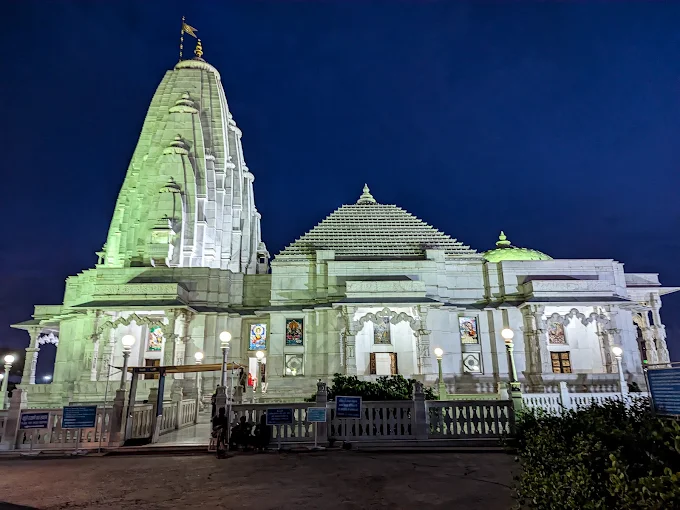
📍 201.82 km away
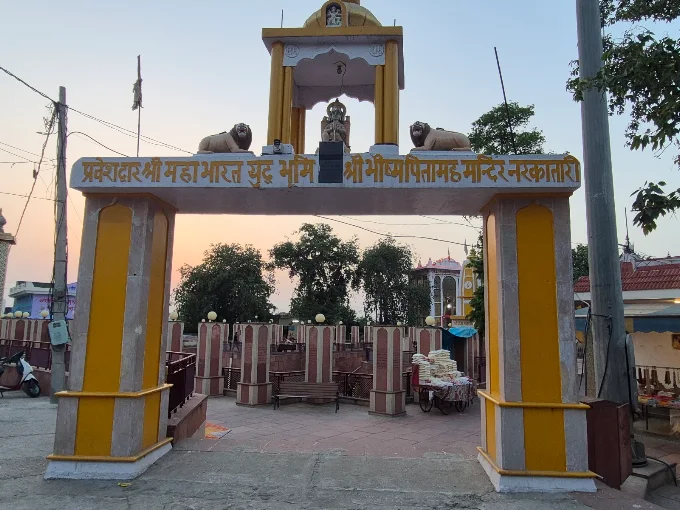
📍 280.07 km away
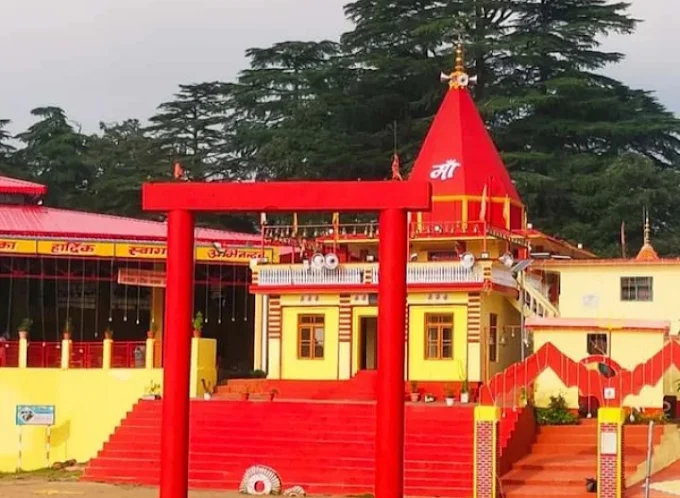
📍 293.42 km away
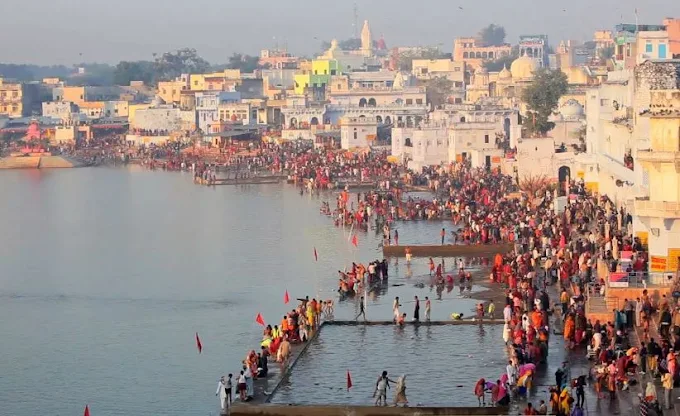
📍 335.30 km away
📍 335.66 km away
Stays near Vrindavan Katyayani Devi Temple

📍 Near Kurinji Andavar Temple · 1,928.2 km
stayStarting from ₹2,000 / night
Discover more temples you may be interested in
You may also like these temples