☰
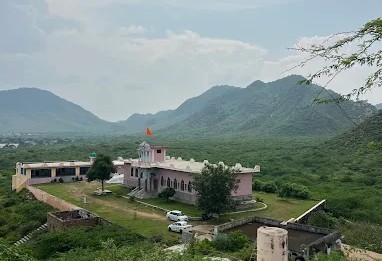
🛕 Lord Devi | 📍 Viratnagar, Bharatpur, Rajasthan
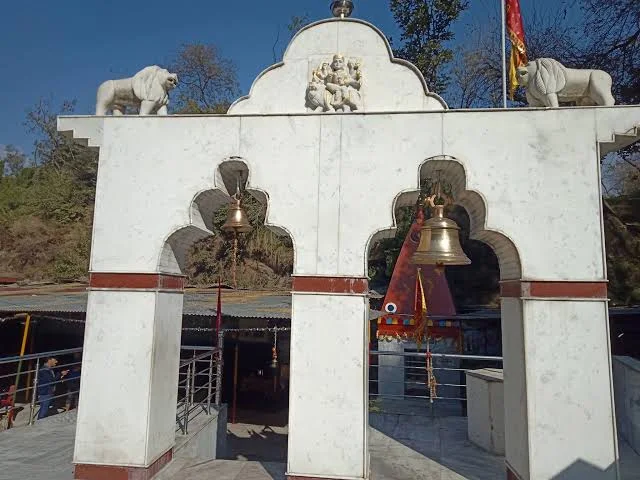
Viratnagar Ambika Shakti Peetha, traditionally revered as the Virat Shakti Peeth, holds an exalted position among the 51 sacred Shakti Peethas described in classical Shakta literature such as the Tantrachudamani and the Devi Bhagavata Purana. According to sacred tradition, when Lord Vishnu deployed the Sudarshana Chakra to sever the sacred mortal remains of Goddess Sati in order to pacify the cosmic sorrow of Lord Shiva, the toes of Sati's left foot (padanguli) descended upon the ancient hills of Virat. Here, the Supreme Goddess is venerated under the divine epithet 'Ambika'—the universal, compassionate cosmic mother—while Lord Shiva is consecrated as the guarding Bhairava named 'Amriteshwar' (the lord of immortality). The sacred site is also deeply revered in local tradition as Maa Mansa Devi, representing the manifestation of Shakti that fulfills the pure vows and noble wishes of devotees.
The spiritual significance of the temple is intrinsically interwoven with the epic Mahabharata. Viratnagar (historically Bairat) was the capital of the ancient Matsya kingdom ruled by King Virata. According to traditional lore, during the thirteenth and concluding year of exile (Agyatavasa), the Pandava brothers and Draupadi sought refuge in Viratnagar disguised as ordinary servants. Prior to entering the kingdom, Yudhishthira offered fervent prayers to Goddess Durga for concealment and divine protection. It is devoutly believed that Devi Ambika shielded them from discovery by the Kauravas throughout their concealment. Devotees visit the shrine to seek inner courage, protection from concealed adversaries, resolution of household hardships, and spiritual enlightenment amidst the serene expanse of the Aravalli hills.
The historical foundations of the sanctuary are closely bound to the antiquity of Viratnagar (historically Bairat), one of the oldest continuously inhabited cultural and political hubs in northern Rajasthan. Archaeological excavations conducted by the Archaeological Survey of India (ASI) at the nearby Bijak-ki-Pahadi have revealed that Viratnagar was a thriving metropolis of the Matsya Mahajanapada during the 6th to 4th centuries BCE. Notable archaeological treasures unearthed here include two rock-cut edicts of the Mauryan Emperor Ashoka (the Bhabru and Minor Rock Edicts) and the remnants of a unique circular Buddhist Chaitya shrine dating from the 3rd century BCE, demonstrating the region's historical prominence.
In local folklore and devotional history, the village where the shrine is perched was historically called 'Paaon Padi' (meaning 'the place where the divine foot landed'), which linguistically evolved over centuries into the modern village name 'Papdi'. While archaeological excavations affirm ancient Mauryan, Buddhist, and medieval Hindu settlements, the establishment of the formal Shakti Peetha temple structure atop the scenic hillock is attributed to medieval Rajput devotees and yogic ascetic lineages of the Nath sampradaya who consecrated shrines to Bhartrihari Baba and Baba Balak Nath in the immediate vicinity.
Throughout the medieval and modern eras, the temple served as a sanctuary of Tantric meditation and local pastoral worship. In the twentieth century, the temple underwent structural restorations and the addition of stone steps, an entrance pavilion, and surrounding pilgrim shelters funded by local philanthropists and Shakta pilgrims. In modern pilgrimage literature and online directories, this Peetha is frequently misattributed as 'Bharatpur' due to widespread clerical errors in printed regional temple registers; however, geographic and administrative records confirm its permanent location at Papdi in Viratnagar.
Devotees traditionally believe that praying to Maa Ambika shields one against unseen perils, legal troubles, and covert obstacles, drawing parallels to how the Goddess protected the Pandavas during their exile.
Revered locally as Maa Mansa Devi, the Goddess is believed to grant the heartfelt prayers and vows of sincere worshippers seeking marriage, progeny, and worldly well-being.
The tranquil hilltop environment and the maternal aura of Devi Ambika are traditionally credited with soothing mental agitation and fostering harmony within households.
Worship of Lord Shiva in his guardian manifestation as Amriteshwar alongside Devi Ambika is believed to confer vitality, longevity, and liberation from chronic debilities.
Visiting one of the foundational 51 Shakti Peethas is held in Shakta theology to cleanse accumulated karmic impurities and foster spiritual wisdom.
Nine-day grand recitation of the Devi Mahatmyam / Durga Saptashati and special havan performed during both Chaitra and Ashwin Navratris.
Traditional devotional offering of red bridal veils (chunari), bangles, vermilion, and cosmetics to Devi Ambika by women seeking marital blessing and family welfare.
Ceremonial holy bath of the Bhairava Shiva Lingam with milk, water, honey, and sacred bilva leaves, performed especially on Mondays and Maha Shivaratri.
Monthly sacred fire ritual conducted on full moon days followed by ritual feeding and gifting of young girls representing the divine forms of the Goddess.
Sharad Navratri is the principal festival celebrated at the Ambika Shakti Peetha. According to Shakta tradition, this shrine marks the sacred spot where Goddess Sati's left toes fe...
Chaitra Navratri is an important nine-day festival observed during the onset of the Hindu New Year (Chaitra month). Pilgrims observe fasts and visit the shrine for special morning...
Maha Shivratri is observed with significance at this Peetha due to the presence of Lord Shiva worshipped as the protecting guardian deity, Amriteshwar Bhairav. Devotees perform jal...
📍 69.93 km away
📍 152.65 km away
📍 191.94 km away
📍 192.61 km away
📍 281.00 km away
📍 289.88 km away
Stays near Viratnagar Ambika Shakti Peetha, Bharatpur

📍 Near Kurinji Andavar Temple · 1,917.5 km
stayStarting from ₹2,000 / night
Discover more temples you may be interested in
You may also like these temples