☰
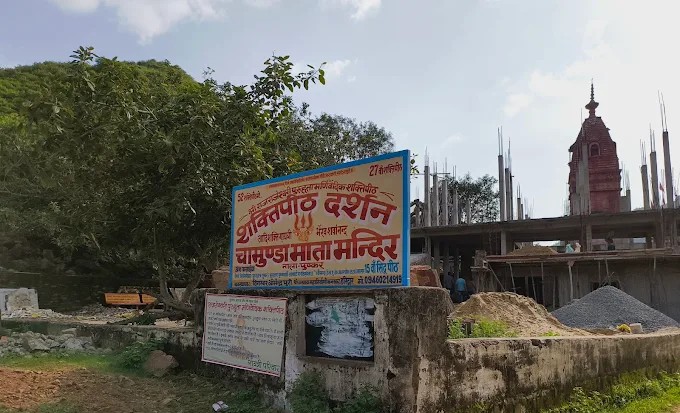
🛕 Lord Devi | 📍 Pushkar, Gayatri Hill area, Ajmer, Rajasthan
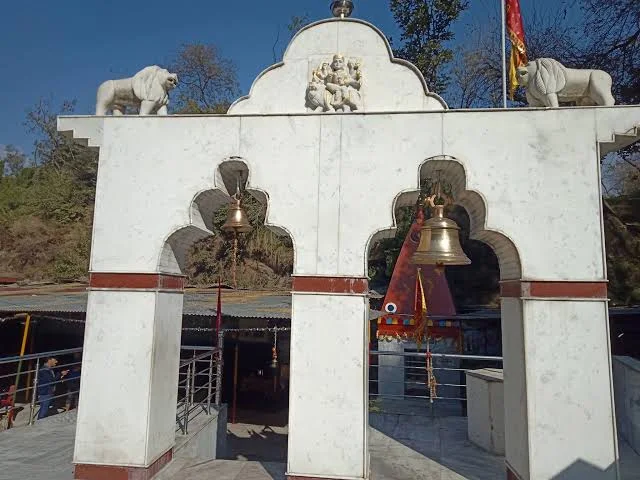
Pushkar Gayatri Manibandh Shakti Peetha, also reverently called Manivedika Shakti Peetha or Chamunda Mata Mandir, is venerated as one of the sacred 51 Shakti Peethas in Hindu tradition. According to scriptural accounts found in the Tantra Chudamani, Shiva Purana, and Devi Bhagavata Purana, this shrine consecrates the sacred ground where the wrists ('Manibandha') or gem-encrusted bracelets of Goddess Sati fell following her self-immolation at Daksha's yajna, when Lord Vishnu severed her body using his Sudarshan Chakra to relieve Lord Shiva's grief-stricken Tandava. The presiding Goddess is worshipped here in the serene and auspicious form of Devi Gayatri—the personification of Vedic knowledge and wisdom—while Lord Shiva is consecrated as the protector Bhairava under the name Sarvananda ('the giver of universal joy'). What renders this peetha spiritually unique among Shakti Peethas is that while most shrines venerate the Supreme Mother in fierce or esoteric forms such as Kali, Tara, or Chhinnamasta, here she is primarily approached as Gayatri, the Mother of the Vedas and embodiment of ultimate illumination. Devotees regard the site as extraordinarily potent for Gayatri mantra sadhana, mental purification, and intellectual awakening. Furthermore, the peetha forms a harmonious spiritual confluence with the holy town of Pushkar, home to the sacred Pushkar Sarovar and the world-renowned Jagatpita Brahma Temple, creating a revered landscape where cosmic creation and transcendent divine feminine power are venerated together.
The history of the Pushkar region as a sacred geographic center traces back to ancient antiquity. Pushkar is repeatedly referenced in Vedic literature, the Ramayana, the Mahabharata, and ancient Buddhist and classical Sanskrit inscriptions as an ancient seat of tapasya and ritual worship. Puranic scriptures, particularly the Pushkara Khanda of the Skanda Purana and the Padma Purana, chronicle the legends of Lord Brahma performing his primeval sacrifice here, during which Devi Gayatri was brought to sit as his consort, solidifying the sacred presence of the goddess on the surrounding hills. Historically, the current temple architecture at the base of the Gayatri Hills (Puruhuta Hills) reflects typical regional Marwar and Rajasthani stone construction, featuring carved stone pillars, arched sanctum doorways, and ornate exterior reliefs. The Pushkar valley experienced successive waves of upheaval and iconoclastic destruction during medieval conflicts, most notably during the 17th century under the rule of Mughal emperor Aurangzeb. Consequently, many temples and ghats throughout the area were systematically rebuilt and restored during the 18th and early 19th centuries through the patronage of Maratha commanders (including the Scindia and Holkar dynasties), local Rajput royal lineages, and sadhus of the Dashanami monastic orders (particularly the Mahanirvani Akhada, whose ascetics maintain longstanding connections to the shrine's custodianship). Within the temple precincts are several ancient and medieval stone sculptures, including sacred carvings of Shiva and Parvati in intimate embrace, Goddess Kali, and Gauri-Ganesh, which preserve the region's surviving devotional heritage. Over recent decades, improved road accessibility and infrastructure developed by local temple committees and administrative bodies have made this once-hidden hillside shrine an integral stop on the sacred Pushkar pilgrimage circuit.
Devotees traditionally believe that worshipping Devi Gayatri at this peetha awakens divine knowledge, dispels mental confusion, and sharpens intellect, making it a sacred site for students and spiritual seekers.
Because the wrist is the anatomical joint that enables all physical and creative work with hands, tradition holds that worshipping at the site of Sati's wrists blesses devotees with strength, skill, and success in their righteous actions.
Pilgrims believe that regular prayer to Devi Gayatri and Bhairava Sarvananda shields individuals from negative planetary influences, mental distress, and unseen afflictions.
In Hindu culture, the wrists are adorned with auspicious bangles (choodi) symbolizing marital auspiciousness; women devotees offer bangles here praying for the health and longevity of their husbands and peaceful family life.
Spiritual traditions consider this Shakti Peetha one of the most energized spots on earth for chanting and meditating on the sacred Gayatri Mantra, aiding seekers in attaining inner peace and spiritual liberation.
A sacred fire sacrifice and collective recitation of the 24-syllable Vedic Gayatri mantra performed by devotees seeking mental clarity, purification, and spiritual merit.
Nine-day festival rituals held during Chaitra and Ashvin Navratri, featuring elaborate alankaram, recitation of the Durga Saptashati, and special kumkum archana.
An annual celebration held during the temple foundation and post-Diwali period, where an expansive variety of vegetarian food dishes is offered to the Goddess and distributed as prasad.
A traditional devotional offering where women devotees present red bangles, sindoor, and chunri (sacred cloth) at the wrist-peetha to invoke blessings for marital well-being.
Sharad Navratri is one of the principal festivals celebrated at Manibandh Shakti Peetha. Commemorating the spot where the wrists of Goddess Sati are believed to have fallen, the ni...
Observed during the onset of the Hindu New Year in Chaitra month, this nine-day festival is dedicated to the worship of Adi Shakti Gayatri. Devotees observe strict fasts, perform K...
Annakoot is observed annually in honor of the temple's foundation and consecration. Devotees prepare and present a wide variety of grains, sweets, and savories as bhog to Goddess G...
Maha Shivratri is marked with special reverence at the Shakti Peetha due to the presence of Sarvananda Bhairava, the Bhairava manifestation associated with Goddess Gayatri at this...
Celebrated in honor of Goddess Gayatri, the presiding Shakti of the temple, the occasion is marked with mass chanting of the sacred Gayatri Mantra, special yajnas, and festive dars...
Coinciding with the sacred Kartik Purnima pilgrimage and the world-renowned Pushkar Fair, this period marks the highest pilgrim footfall at Manibandh Shakti Peetha. Devotees undert...

📍 1.58 km away
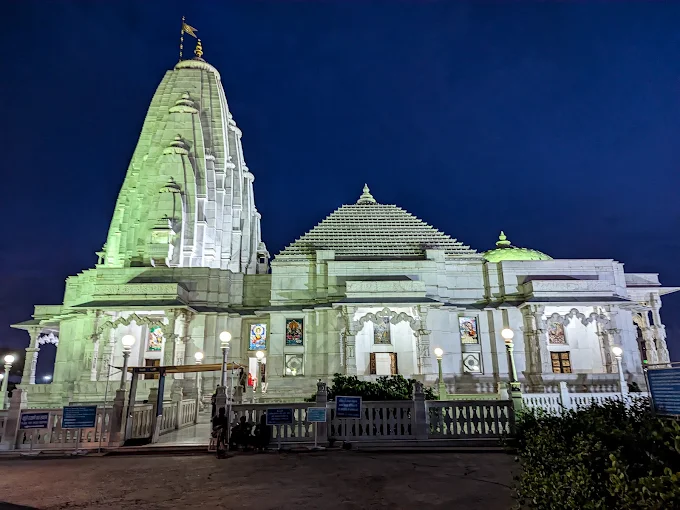
📍 133.93 km away
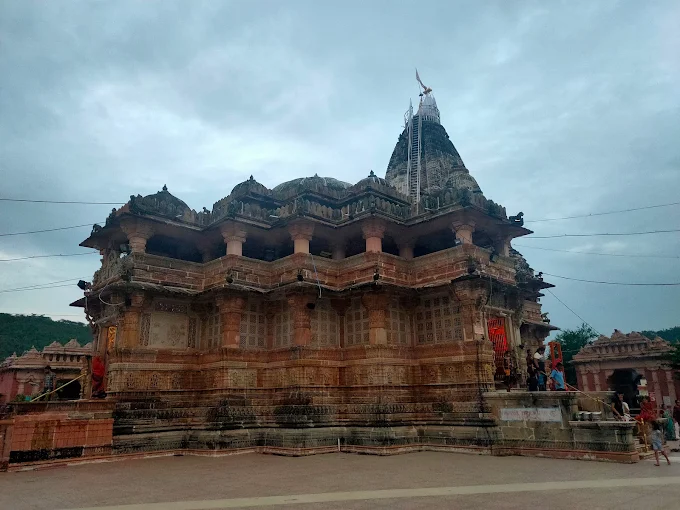
📍 186.95 km away
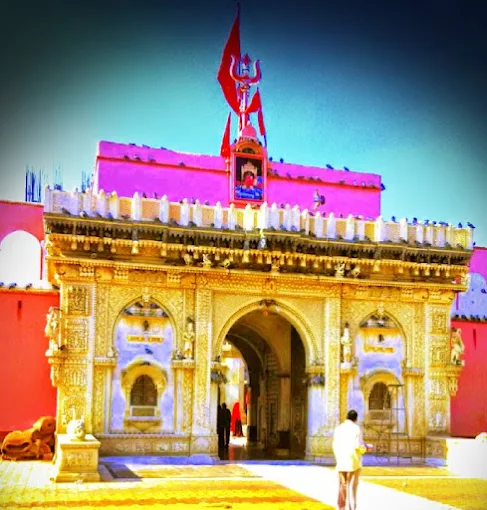
📍 189.25 km away
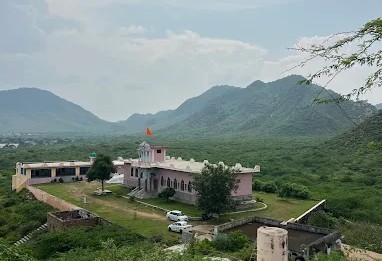
📍 192.61 km away
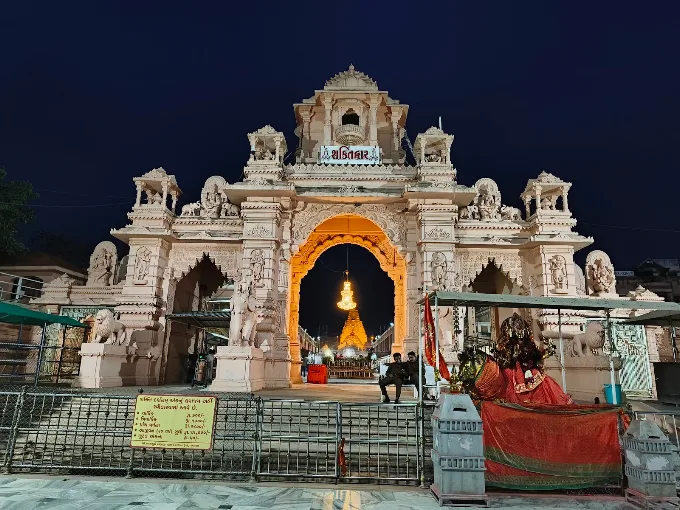
📍 292.72 km away
Stays near Pushkar Gayatri Manibandh Shakti Peetha

📍 Near Kurinji Andavar Temple · 1,831.3 km
stayStarting from ₹2,000 / night
Discover more temples you may be interested in
You may also like these temples