☰
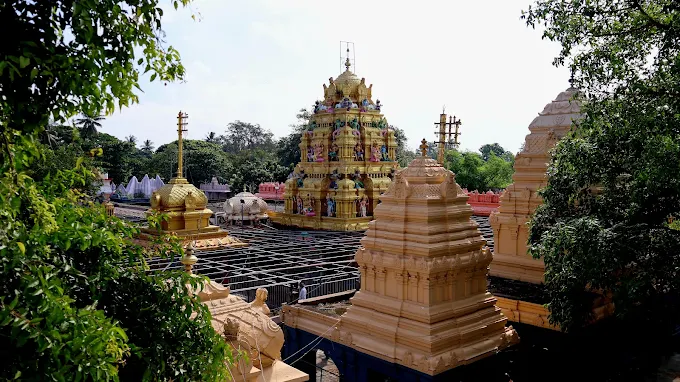
🛕 Lord Devi | 📍 Pithapuram, Kakinada, Andhra Pradesh
Sri Puruhutika Devi Temple in Pithapuram, Andhra Pradesh, is venerated as the 10th shrine among the sacred Ashtadasa Shakti Peethas (18 Great Shakti Centers) praised by Jagadguru Sri Adi Shankaracharya in his Ashtadasa Shakti Peetha Stotram ('Peethikayam Puruhutika'). According to Puranic traditions associated with the Daksha Yajna, when Goddess Sati ended her life in the sacrificial fire and Lord Shiva traversed the universe carrying her sacred form in his grief, Lord Vishnu dispatched the Sudarshana Chakra to dismember her mortal remains. It is traditionally believed that the 'Peetha' (seat or hip portion) of the Goddess fell at this sacred spot. Consequently, the town earned the ancient names 'Peethikapuram' and 'Puruhutikapuram', eventually evolving into Pithapuram.
A prominent local legend links the Devi to Indra, the king of the devas. Having incurred a severe curse from Sage Gautama following the deception of Ahalya, Indra lost his divine luster and suffered terrible afflictions. To seek redemption, Indra undertook rigorous penance here to propitiate the Supreme Mother. Pleased by his intense devotion, the Goddess appeared before him, absolved his sins, and restored his radiance. Since Indra is known by the Vedic epithet 'Puruhuta' ('one invoked by numerous Vedic sacrifices'), the benevolent Goddess who redeemed him became enshrined as 'Puruhutika'.
The sanctum of Puruhutika Devi is situated within the expansive inner precincts of the Sri Kukkuteswara Swamy temple complex, forming a rare, harmonious confluence of Shaivite and Shakta traditions. Furthermore, Pithapuram is universally celebrated as 'Pada Gaya Kshetram', forming the holy triumvirate of Gaya shrines alongside Siro Gaya (Gaya, Bihar) and Nabhi Gaya (Jajpur, Odisha). Puranic lore recounts that the legs and feet of the devout titan Gayasura rested here during Brahma's sacrifice, consecrating the adjoining Padagaya Sarovar as one of Hinduism's most sacred spots for performing Pitru Tarpanam (ancestral offerings) and obtaining spiritual emancipation.
Pithapuram, anciently designated in historical and epigraphical records as 'Pishtapura', possesses a rich, documented history spanning over fifteen centuries. The earliest major inscriptional evidence of the town appears in the celebrated 4th-century CE Prayag Prashasti (Allahabad Pillar Inscription) composed by the court poet Harishena for the Gupta Emperor Samudragupta. The inscription records that during his southern military expedition (Dakshinapatha), Samudragupta defeated King Mahendra of Pishtapura before restoring him to his throne as a tributary sovereign.
In the early 7th century CE (c. 611–612 CE), the Western Chalukya monarch Pulakeshin II defeated the reigning Durjaya dynasty and annexed Pishtapura into the Chalukyan empire, which is attested in the Aihole inscription of Ravikirti. Pulakeshin II established his brother Kubja Vishnuvardhana as viceroy of the region, an event that led to the foundation of the sovereign Eastern Chalukya dynasty of Vengi. In its initial decades, Pishtapura served as a vital administrative capital and cultural hub before the royal seat shifted towards Vengi and Rajamahendravaram (Rajahmundry).
Over subsequent centuries, the town and its temple institutions received sustained royal patronage from successive regional powers, including the Eastern Chalukyas, Kakatiyas, the Reddi rulers of Rajahmundry, and the Gajapatis. Renowned medieval Telugu poet Srinatha (15th century) immortalized Pithapuram in his classical work 'Bhimeswara Puranam', enumerating it alongside Varanasi, Kedarnath, and Kumbakonam as one of the four foremost sacred destinations conferring liberation (Moksha Sthanas).
During the post-medieval and colonial eras, Pithapuram became the seat of the influential Pithapuram Zamindari estate under the Rao Velama dynasty. The enlightened Maharajas of Pithapuram, notably Sri Rao Venkata Kumara Mahipathi Surya Rao Bahadur, were generous benefactors of the temple complexes, funded Vedic institutions, patronized classical music and literature, and advanced early 20th-century social reform. Architectural elements in the Puruhutika and Kukkuteswara shrine complex incorporate typical Dravidian and Chalukyan stone workmanship, mandapas, and layered sculptural renovations executed across several centuries.
According to sacred traditional lore, devout worship of Goddess Puruhutika frees devotees from negative karmic consequences and long-standing afflictions, inspired by Lord Indra's redemption.
Performing tarpanam and pinda pradanam at the sacred Pada Gaya Sarovar is traditionally believed to deliver ancestors to higher spiritual realms and alleviate Pitru Dosha.
Being a potent Shakti Peetha, continuous meditation and prayer at the shrine are traditionally held to awaken inner spiritual consciousness and intellectual clarity.
Offering Kumkumarchana to Sri Puruhutika Devi is believed to bestow domestic harmony, protection from evil forces, and sustained prosperity.
Devotees traditionally invoke the Mother here to overcome chronic delays in education, career advancement, and personal endeavors.
Devotional recitation of the thousand divine names of the Mother accompanied by vermilion offerings.
An extensive ritual offering one hundred thousand recitations and kumkum offerings for family prosperity.
Vedic fire ritual performed on full moon days (Pournami) and auspicious occasions for spiritual protection and grace.
Traditional ancestral offering rites conducted by temple priests beside the sacred Pada Gaya Sarovar.
Celestial wedding ceremony of Lord Shiva and the Divine Mother conducted on monthly Pournami nights.
No festivals available.
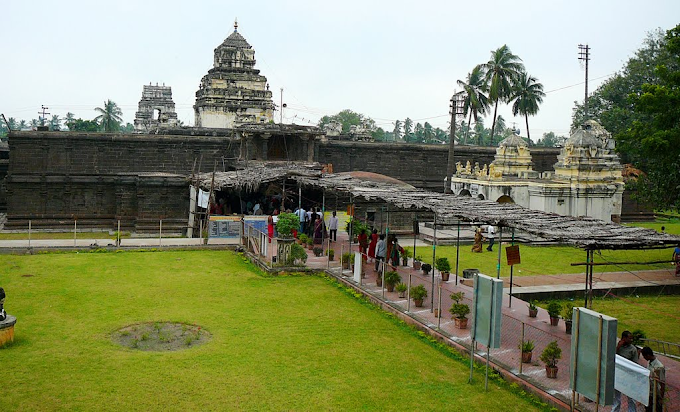
📍 39.92 km away
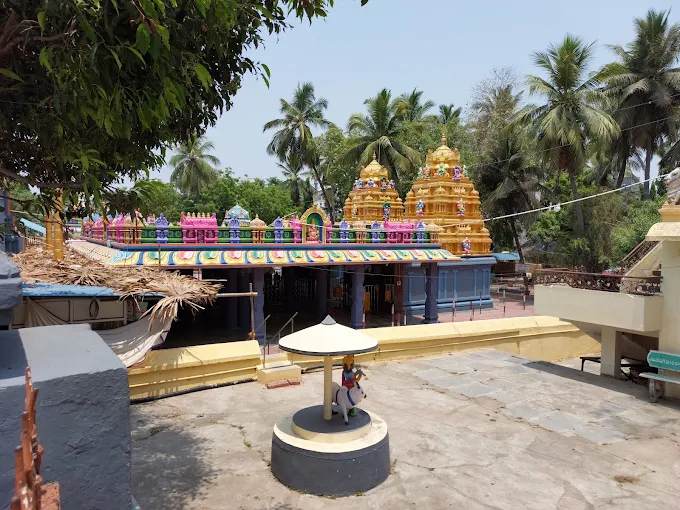
📍 51.53 km away
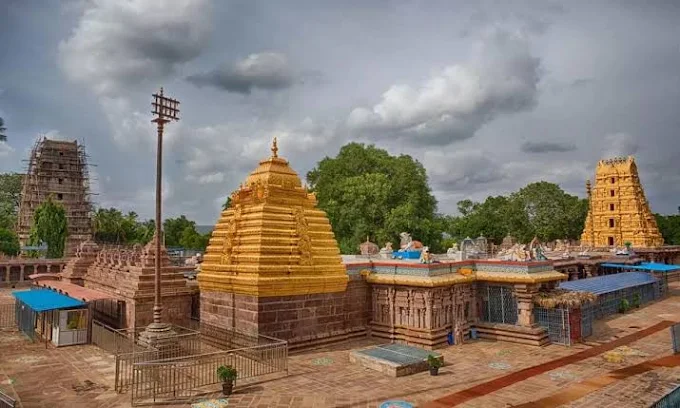
📍 377.86 km away
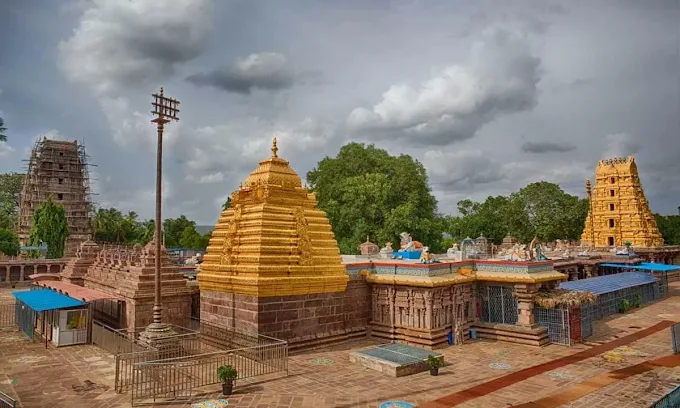
📍 377.87 km away
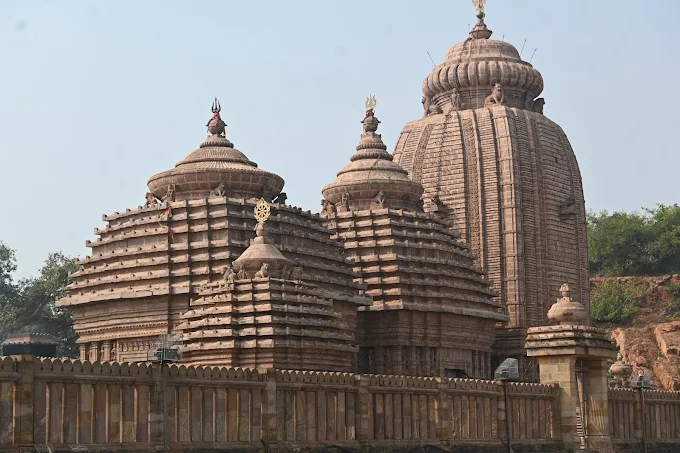
📍 385.53 km away
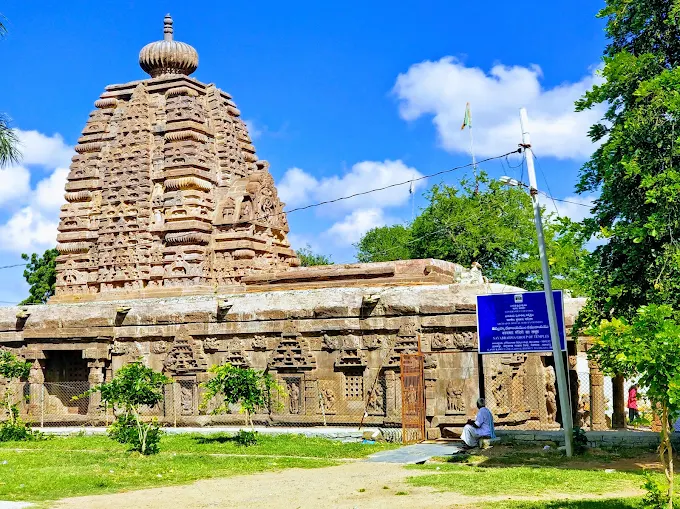
📍 459.12 km away
Stays near Pithapuram Puruhutika Devi Shakti Peetham

📍 Near Kurinji Andavar Temple · 920.2 km
stayStarting from ₹2,000 / night
Discover more temples you may be interested in
You may also like these temples