☰
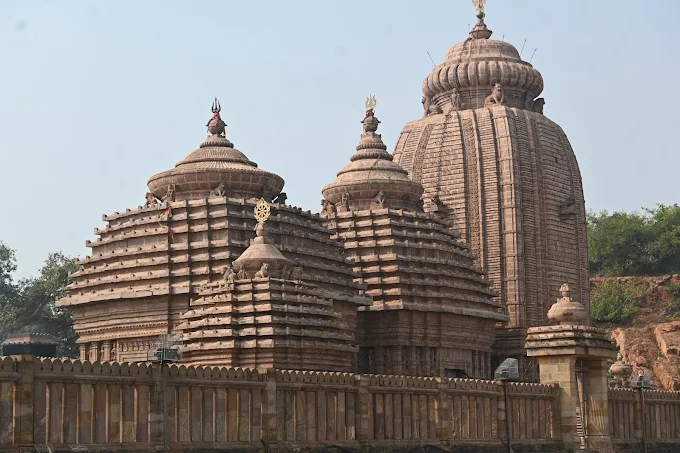
🛕 Lord Devi | 📍 Purushottampur, Ganjam, Odisha
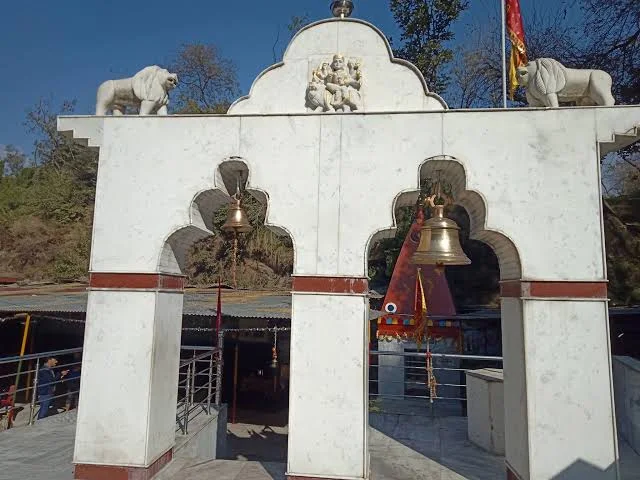
Maa Tara Tarini Temple, situated atop the sacred Kumari Hills (Taratarini Parvata) along the banks of the holy Rushikulya River near Purushottampur in the Ganjam district of Odisha, is revered as one of the four legendary Adi Shakti Peethas of India, alongside Kamakhya (Assam), Vimala (Puri), and Dakshina Kalika (Kolkata). According to sacred Shakta tradition and texts such as the Kalika Purana, this shrine is honoured as the 'Sthana Peetha' (the breast shrine), where the breasts of Devi Sati fell following Lord Shiva's grief-stricken cosmic dance (Tandava) after Daksha's sacrifice. The temple is unique because it enshrines twin goddesses—Maa Tara and Maa Tarini—worshiped simultaneously as manifestations of one Supreme feminine power (Adi Shakti). The sanctum preserves two anthropomorphic stone idols embellished with gold and silver ornaments, accompanied by two brass repoussé heads that serve as the 'Chalanti Pratima' (mobile living representative deities). Symbolically, Maa Tara represents the divine redemptress who steers souls across the tumultuous ocean of mundane existence (Samsara), while Maa Tarini signifies the supreme savior and compassionate protector from misfortunes. The shrine represents an ancient confluence of Shakta tantra, early Mahayana Buddhist Tara worship, and regional folk customs. It was venerated for millennia by ancient Kalinga navigators and merchant sailors ('Sadhavas') who prayed here before venturing out into the Indian Ocean, making it the principal spiritual and cultural guardian deity of southern Odisha.
The origin of Maa Tara Tarini Temple encompasses both ancient religious lore and tangible archaeological heritage. According to sacred tradition, the shrine dates back to the Satya Yuga. A prominent regional legend recounts that a pious 17th-century Shakta devotee named Basu Praharaj, who lived near Purushottampur, adopted two destitute sisters who eventually disappeared atop the Kumari Hills after conferring prosperity upon his household. Later, the divine sisters appeared in Basu Praharaj's vision, identifying themselves as Maa Tara and Maa Tarini, commanding him to clear the hilltop and revive their worship according to Vedic and Tantric traditions. Historically and archaeologically, the Kumari Hills region has been a vibrant cultural node since antiquity. The shrine stands merely 4 km from Jaugada, an ancient fortified city containing an Ashokan Rock Edict dating back to the 3rd century BCE, which demonstrates that South Kalinga was a significant administrative, spiritual, and commercial corridor under the Mauryan Empire. During the 7th to 11th centuries CE, under the Sailodbhava and Somavamshi dynastic rulers, Kalinga developed vast maritime trade routes across South and Southeast Asia from nearby seaports like Palur and Dantapura; merchants consistently worshipped Goddess Taratarini as the maritime guardian deity. Furthermore, the iconographic transition indicates an early association with Mahayana and Vajrayana Buddhism, where Tara emerged as an enlightened saviour deity. Over the centuries, the original stone shrine witnessed renovations under local medieval feudatories and the rulers of Ganjam. In recent times, under the Tara Tarini Development Board, the complex underwent a major transformation between 2003 and 2022, constructing a magnificent temple complex sculpted from red sandstone and granite following the pristine Rekha and Pidha styles of traditional Odia Kalinga temple architecture, culminating in a historic consecration (Pratishtha Mahotsav) in May 2022.
Devotees traditionally worship Maa Tara Tarini as supreme saviors who rescue individuals from dire life hurdles, fears, and crises.
It is an age-old tradition in southern Odisha to perform the first hair-cutting (Mundan/Chudakarana) ritual of infants here to invoke lifelong health and divine protection.
Continuing the ancient tradition of Kalinga seafarers, pilgrims seek the divine blessings of Tara Tarini before embarking on long journeys, new businesses, or career milestones.
Pilgrims tie sanctified threads or red cloth ('Manati Bandha') around the holy trees within the premises in the traditional belief that their heartfelt wishes will be granted.
The hilltop sanctum, combining Tantric resonance with serene natural landscapes, offers seekers an inspiring setting for meditation, prayer, and inner peace.
The traditional ceremonial first tonsure (hair offering) for infants at the designated temple tonsure hall, subject to a nominal official registration fee.
Individual sankalpa and archana performed by temple servitors on behalf of devotees offering flowers, vermilion, and coconuts.
A traditional devotional rite of tying consecrated red sacred thread or cloth onto the holy vow tree in the hill complex for the fulfillment of prayers.
Devotees can sponsor daily noon or festive bhog offerings distributed as Mahaprasad to pilgrims through Trust Board donation schemes.
Special pujas performed on every Tuesday during the Chaitra month when the sanctum remains open for extended hours to accommodate massive congregations.
No festivals available.
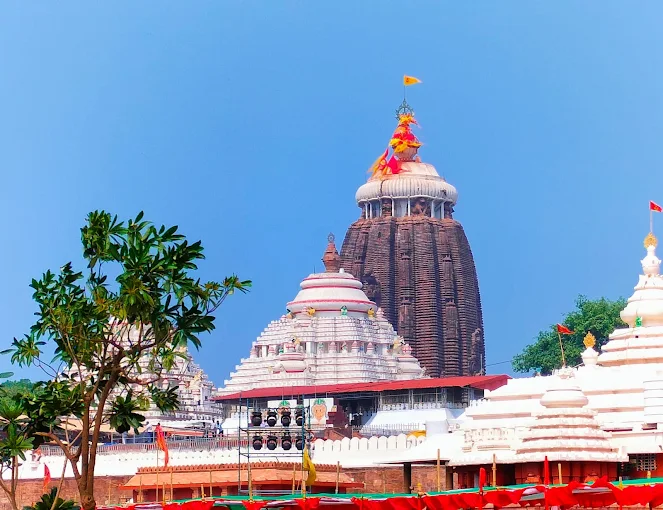
📍 102.37 km away
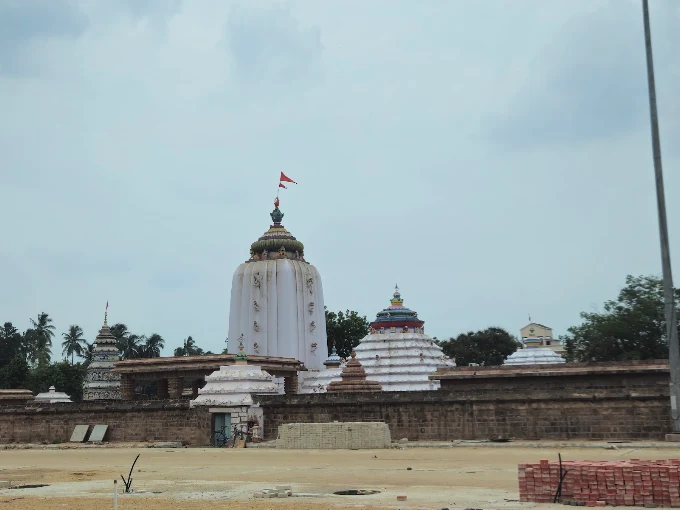
📍 211.94 km away
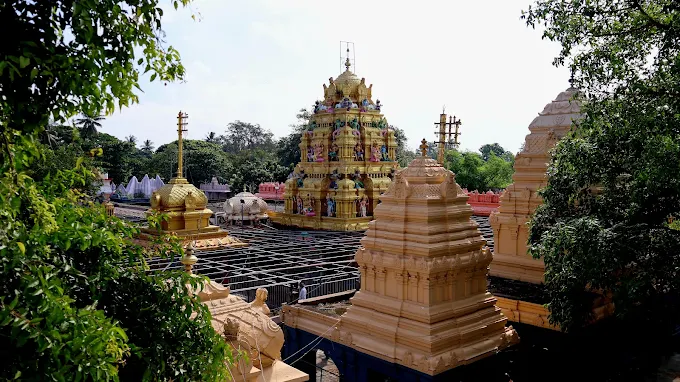
📍 385.53 km away
📍 423.84 km away
📍 429.48 km away
📍 442.54 km away
Stays near Purushottampur Maa Tara Tarini Temple

📍 Near Kurinji Andavar Temple · 1,300.1 km
stayStarting from ₹2,000 / night
Discover more temples you may be interested in
You may also like these temples