☰
🛕 Lord Devi | 📍 Tamluk, Purba Bardhaman, West Bengal
Maa Bargabhima Temple, located in Tamluk (historically Tamralipta) in the Purba Medinipur district of West Bengal, is revered across India as one of the 51 Shakti Peethas. According to sacred Shakta traditions and Puranic accounts, this holy tirtha represents the sacred spot where the left ankle (gulpha) of Devi Sati fell after Lord Vishnu dismembered her body with the Sudarshana Chakra following the Daksha Yajna immolation. In classical Shakta scripture, the site is known as the Vibhasha Shakti Peetha, where the Divine Mother is venerated as Kapalini or Bhimarupa, accompanied by her Bhairava consort, Sarvananda (worshipped in the form of a sacred Shivalinga).
The presiding deity, Maa Bargabhima, is manifested as a four-armed black stone (kasthi pathar) deity resembling Mahishasuramardini with distinct Kali iconography. In her upper hands, she bears a trishula (trident) and a khadga or severed demonic forms, while subduing obstacles beneath her feet. Unlike conventional pan-Indian Vedic temples, the shrine preserves distinct ancient Shakta and regional Vanga traditions, including the ritual preparation of cooked fish bhog (traditionally shol machh) offered daily during the noon Anna Bhog. It is also historically celebrated as a sanctuary where modern freedom fighters and revolutionaries from the Medinipur region, notably Khudiram Bose, took solemn vows of selfless service to the motherland.
The history of the Bargabhima Temple is intimately woven with the ancient maritime and cultural heritage of Tamralipta, which flourished as a renowned seaport and center of international commerce from the Mauryan era through the Gupta period. Archaeological excavations in and around Tamluk indicate uninterrupted habitation dating back to at least the 3rd century BCE. The site finds frequent mention in ancient literary traditions, including the Mahabharata (which references Bhima conquering Tamralipta during his Digvijaya campaign), the Jaimini Mahabharata, classical Jain texts, and travel accounts of Chinese pilgrims Fa-Hien and Xuanzang.
According to regional historical chronicles, the initial stone temple structure is attributed to the rulers of the ancient Mayura (Peacock) dynasty, particularly King Tamradhwaja or Mayuradhwaja around the 9th to 10th century CE (approximately 1,150 years ago). Sthala purana narrates that a local fisherwoman discovered a miraculous water pond (kunda) capable of reviving dead fish, leading the king to discover the hidden deity carved in black stone. Over successive centuries, the structural complex endured conflicts and regional shifts, including damages sustained during medieval military raids into Bengal.
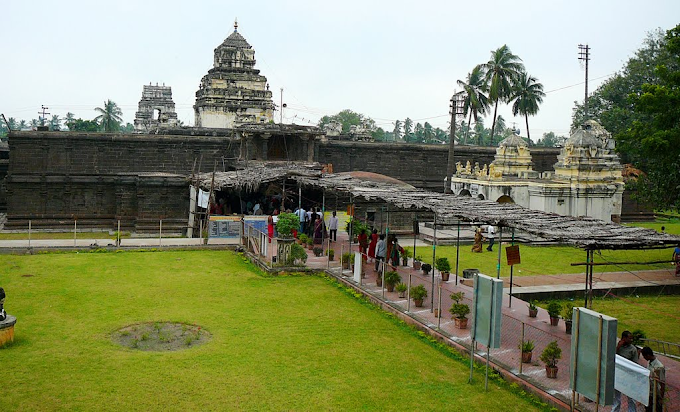
The surviving temple architecture represents an eclectic synthesis of ancient Kalinga Deula temple construction, Buddhist stupa engineering motifs, and regional Bengal aatchala masonry. It features extraordinarily thick mortarless foundation walls built with stone blocks and laterite slabs joined with fine mortar, giving it a fortress-like resilience. The Government of West Bengal has designated Maa Bargabhima Temple as a protected state heritage site, recognizing both its archaeological value and historical significance in Bengal's socio-cultural and revolutionary history.
According to Shakta tradition, worshipping Devi Bargabhima as Kapalini bestows immense courage, overcomes deep-seated fears, and shields devotees from spiritual harm.
Devotees traditionally pray to the goddess to eradicate chronic difficulties, career obstructions, and familial discord through her supreme motherly grace.
Pilgrims believe that offering sincere worship and archana at this energized Shakti Peetha fulfills righteous worldly aspirations and accelerates inner spiritual growth.
Stemming from the traditional folk lore of the restorative sacred pond, devotees frequently invoke the blessings of Maa Bargabhima for health, vitality, and healing.
Official daily token issued to pilgrims permitting them to receive and partake in the sanctified noon non-vegetarian rice and fish bhog prasad inside the temple premises.
Individual ritual offering performed by temple sevayats at the sanctum doorstep with flowers, red hibiscus, sweets, and sari offerings on behalf of the devotee.
Special nocturnal tantric and Vedic rituals conducted on new moon nights, particularly during Dipanwita Kali Puja, dedicated to Goddess Kapalini.
No festivals available.
📍 47.39 km away
📍 49.88 km away
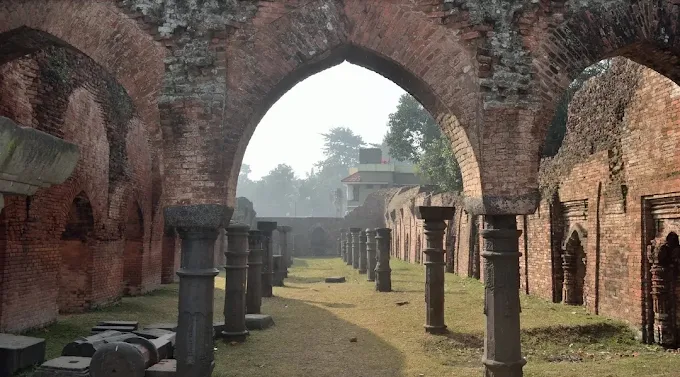
📍 94.71 km away
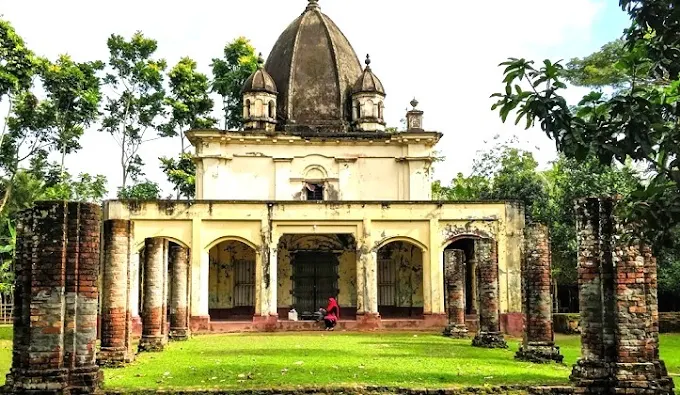
📍 122.42 km away
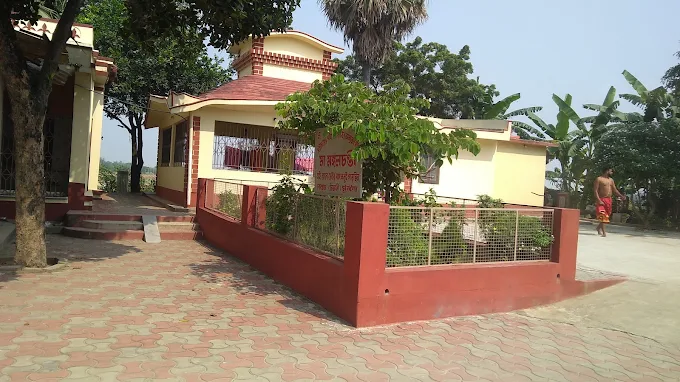
📍 139.08 km away
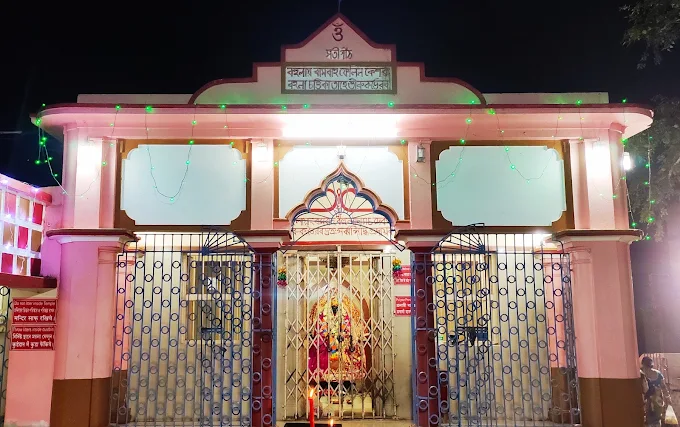
📍 157.28 km away
Stays near Tamluk Bargabhima Kapalini Shakti Peetha

📍 Near Kurinji Andavar Temple · 1,740.8 km
stayStarting from ₹2,000 / night
Discover more temples you may be interested in
You may also like these temples