☰
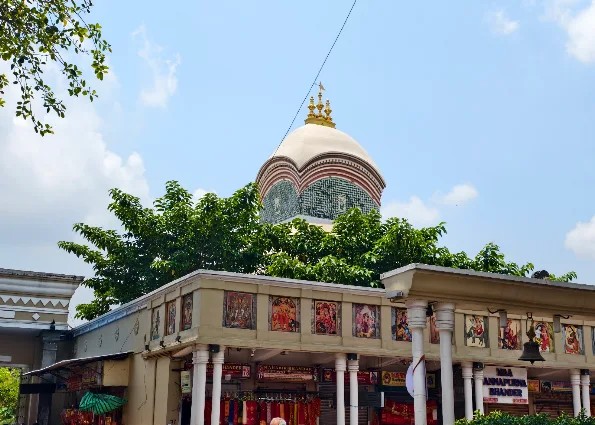
🛕 Lord Devi | 📍 Kalighat, Kolkata, West Bengal
Kalighat Dakshina Kali Temple is revered as one of the most vital Shakti Peethas and is traditionally counted among the four Adi Shakti Peethas of Hinduism. According to scriptural tradition described in the Kalika Purana and Devi Bhagavata Purana, when Lord Shiva performed the cosmic dance of destruction (Rudra Tandava) while carrying the self-immolated body of Devi Sati, Lord Vishnu severed her corpse with the Sudarshana Chakra; the toes of Sati's right foot are believed to have fallen at this sacred spot along the banks of the Adi Ganga (the ancient channel of the Ganges). The presiding deity is worshipped here as Dakshina Kalika, accompanied by her Bhairava consort, Nakuleshwar Mahadev, enshrined across the lane. The sanctum features an extraordinarily unique and non-conventional idol sculpted from a dark touchstone block (basalt). The murti bears three massive golden eyes symbolizing the cosmic vision across past, present, and future, an elongated protruding tongue cast in pure gold, and four golden hands. Her upper left hand wields the divine sword (khadga) signifying supreme wisdom, while the lower left hand carries the severed head of a demon symbolizing the destruction of human ego (ahamkara). Her two right hands display the Abhaya (protection) and Varada (boon-giving) mudras. The temple complex also includes sacred spots like Sosthi Tala (Monosha Tala)—an altar honoring the goddesses Sosthi, Shitala, and Mangal Chandi—and the sacred water tank Kundupukur, whose water is held to possess sanctifying spiritual potencies.
While devotional tradition links Kalighat to antiquity, physical archaeological discoveries—including Archer-type gold coins of the Gupta Emperor Chandragupta II found in the vicinity—confirm the historical antiquity of settlements and religious presence in this region during the 4th to 5th centuries CE. Literary references appear in classical Bengali works such as Bipradas Pipilai's 'Manasa Bhasan' (composed in the late 15th century) and Mukundaram Chakrabarti's 16th-century 'Kavi Kankan Chandi'. Many historians and etymologists also trace the modern city name 'Kolkata' (and historically 'Calcutta') to the terms 'Kalikshetra' or 'Kalighat'. The original shrine was a modest thatched hut. In the late 16th to early 17th century, rudimentary brick structures were developed, traditionally attributed to Raja Basanta Roy or Raja Man Singh. The present 'Aat-Chala' (eight-eaved Bengali hut-style) temple structure was commissioned under the patronage of the Sabarna Roy Choudhury zamindar family of Barisha. Zamindar Santosh Roy Choudhury initiated the reconstruction in the late 18th century, and following his death, his grandson Rajivlochan Roy Choudhury completed the construction in 1809 CE. Historically, the priestly servitors known as the Haldar family (shebaits) have held customary rights to perform daily worship and rituals. In modern times, the temple's surrounding infrastructure has seen major upgrades by the state government, including the construction of the Kalighat Skywalk to manage footfall and streamline access from the transit corridors.
Devotees traditionally worship Dakshina Kali to overcome existential dread, recurring anxieties, and planetary malefic influences, seeking her fierce motherly protection.
The symbolic posture of the deity holding the sword of knowledge and the severed head inspires spiritual seekers to surrender their ego (ahamkara) and attain spiritual clarity.
Pilgrims, particularly mothers, offer prayers at the Sosthi Tala altar within the complex, seeking the blessings of Shasthi and Sheetala for the longevity, protection, and good health of their children.
Traditional belief holds that sincere vows (manat) tied at the sacred compound lead to relief from prolonged distress and smooth resolution of critical life endeavors.
Devotional flower offerings and formal recitation of the Devi Mahatmyam / Durga Saptashati conducted on behalf of devotees through servitor priests; offerings and dakshina are voluntary.
Special nocturnal tantric rituals, holy ablutions, and elaborate offerings celebrated during Diwali night (Kali Puja) and significant new moon nights throughout the year.
Special cooked bhog offerings sponsored by devotees for thanksgiving ceremonies; managed directly through the sebait counters without fixed commercial pricing.
At the Kalighat Shakti Peetha, Durga Puja is observed with profound devotion in honoring the Mother Goddess. Daily Vedic and Tantric rituals take place from Maha Shashthi through B...
Kali Puja is the most prominent annual festival celebrated at Kalighat Kali Temple. Falling on Kartik Amavasya (Diwali night), the main worship takes place during the midnight Nish...
Observed on the last day of the Bengali month of Paush, this solar transition marks an auspicious day of pilgrimage at Kalighat. Devotees take ritual purification dips in the Adi G...
Poila Boishakh marks the first day of the Bengali New Year (Nobo Borsho). At Kalighat, tens of thousands of worshippers and business owners gather to seek blessings. Traders bring...
Held on Jyeshtha Purnima, Snan Yatra is one of the most sacred and secretive rituals at Kalighat Temple. Designated hereditary sebaits (shebaits) perform the ritual bath of the sac...
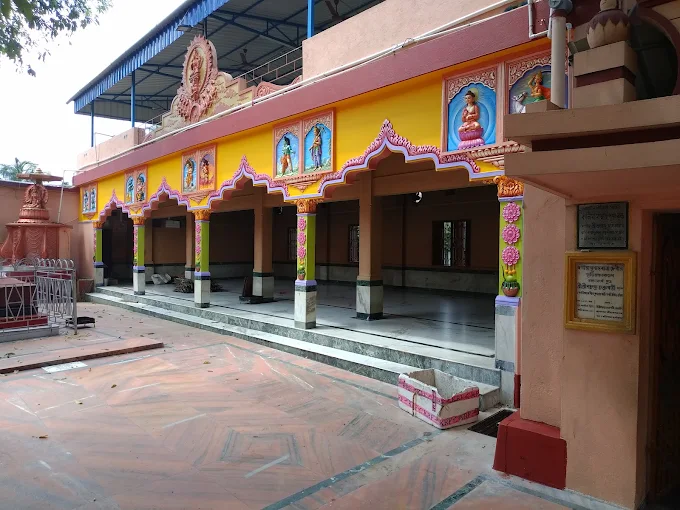
📍 49.88 km away
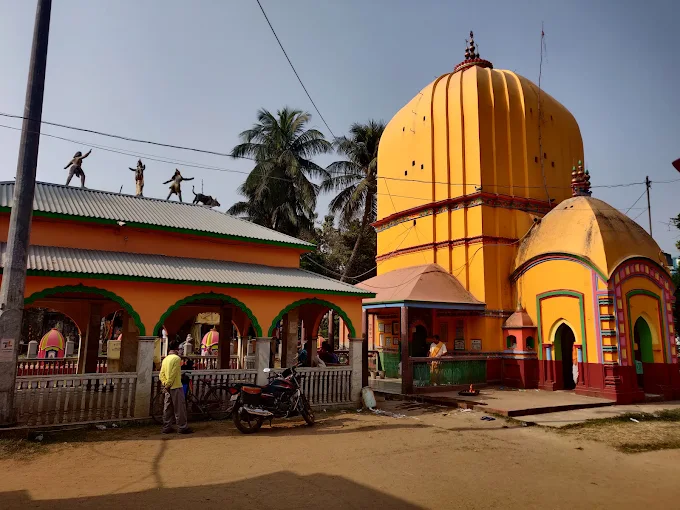
📍 54.40 km away
📍 61.89 km away
📍 83.22 km away
📍 122.23 km away
📍 134.77 km away
Stays near Kolkata Kalighat Dakshina Kali Shakti Peetha

📍 Near Kurinji Andavar Temple · 1,788.4 km
stayStarting from ₹2,000 / night
Discover more temples you may be interested in
You may also like these temples