☰
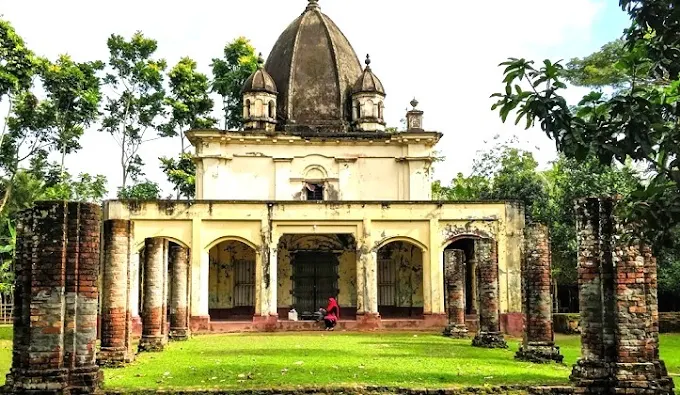
🛕 Lord Devi | 📍 Ishwaripur, Satkhira, Bangladesh
Ishwaripur Jeshoreshwari Kali Temple is venerated as one of the sacred 51 Shakti Peethas in Sanatana Dharma. According to Puranic tradition, following the Daksha Yajna, Goddess Sati self-immolated after her father insulted Lord Shiva. Overcome with grief and rage, Lord Shiva carried her mortal remains and performed the Tandava across the cosmos. To preserve cosmic order, Lord Vishnu released the Sudarshana Chakra to disintegrate Sati's body into sacred fragments. Traditional Shakta texts such as the 'Peetha Nirnaya' record that the palms of the hands and the soles of the feet ('Kara-tala' and 'Pada-tala') of Devi Sati fell at this holy site in the historic Jessore region. The presiding Shakti is worshipped here as Goddess Jeshoreshwari (meaning 'The Sovereign Goddess of Jessore'), a fierce yet protective manifestation of Maa Kali. In accordance with Shakti Peetha tradition, the Mother Goddess is eternally safeguarded by her Bhairava consort, worshipped at an adjacent shrine under the divine name of Chanda Bhairav. Because the palms of the Divine Mother are believed to have fallen here, devotees traditionally revere this shrine as a sanctum of supreme benediction and grace, holding that Devi's open palm represents the eternal Abhaya Mudra (the gesture dispelling all fear) and Varada Mudra (the boon-bestowing gesture). Devotees undertake pilgrimages here seeking spiritual liberation, removal of profound adversities, protection against malefic influences, and divine motherly grace.
The recorded and legendary history of Ishwaripur Jeshoreshwari Kali Temple spans several centuries of Bengal's cultural and political heritage. According to regional chronicles and oral history, the shrine was initially founded by a pious Brahmin named Anari, who is traditionally credited with erecting a massive sanctuary with one hundred doors ('Shata-dwara mandir'). Subsequent patronage and architectural expansion took place during the 13th-century Sena dynasty, under King Lakshmana Sena, who is believed to have constructed the grand rectangular 'Natmandir' (pillared performance and prayer hall) fronting the sanctum sanctorum. The temple gained prominent historical importance in the late 16th century under Maharaja Pratapaditya, the celebrated Baro-Bhuyan chieftain of Jessore whose royal capital was established at Ishwaripur. According to historical legends, Pratapaditya's general noticed a mysterious beam of light emerging from a dense thicket, which led to the discovery of a sacred stone carved in the form of a human palm. Recognizing this divine symbol, Maharaja Pratapaditya revived the sanctuary, rebuilt the temple compound, and designated Goddess Jeshoreshwari as the tutelary guardian deity of his kingdom. Over the succeeding centuries, the complex survived numerous political upheavals. During the 1971 Bangladesh Liberation War, the temple complex suffered severe destruction; the historic Natmandir's roof collapsed, though its historic masonry pillars remained intact. In March 2021, the temple witnessed major structural renovations ahead of the state visit by the Prime Minister of India, Narendra Modi, who offered prayers and gifted a traditional silver-gilt crown to the deity.
Devotees traditionally believe that praying to Mother Jeshoreshwari dispels negative influences, spiritual obstacles, and innate fears through the protective grace of Maa Kali.
Since Sati's palms are believed to have sanctified this soil, tradition holds that worshipping here invokes the Mother's benevolent blessings for family welfare and prosperity.
Pilgrims visit this Shakta Peetha to engage in quiet contemplation and japa, believing the intense Shakti energy aids in subduing ego and fostering spiritual growth.
Offering worship during auspicious Tuesdays, Saturdays, or Kali Puja is traditionally believed to assist in the swift fulfillment of heartfelt vows and noble aspirations.
The major annual festival celebrated on Kartika Amavasya (Diwali night) featuring extensive midnight Tantric rituals, special flower decorations, community prayers, and an annual traditional fair.
Weekly special afternoon devotional rituals performed every Tuesday and Saturday, attracting devotees who offer sarees, red hibiscus flowers, and sweets.
Multi-day ceremonial worship conducted during the autumn Navaratri/Durga Puja period according to Bengali Shakta traditions.
Sharadiya Durga Puja is observed as a major autumn celebration at the Jeshoreshwari temple complex. Associated historically with the 16th-century ruler Maharaja Pratapaditya of Jes...
Kali Puja, also known as Shyama Puja or Deepanwita Kali Puja, is the central annual festival celebrated at the Jeshoreshwari Kali Shakti Peetha. Revered in Shakta tradition as the...
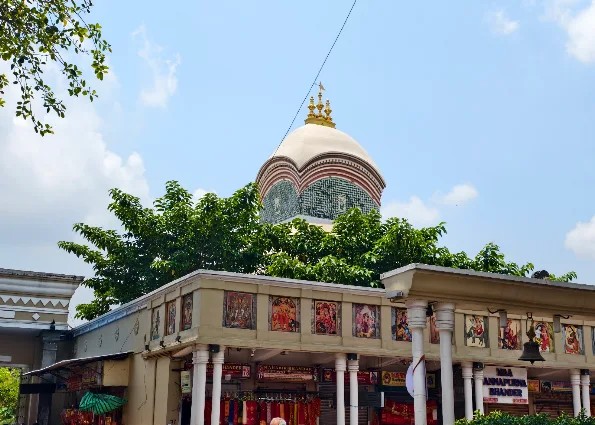
📍 83.22 km away
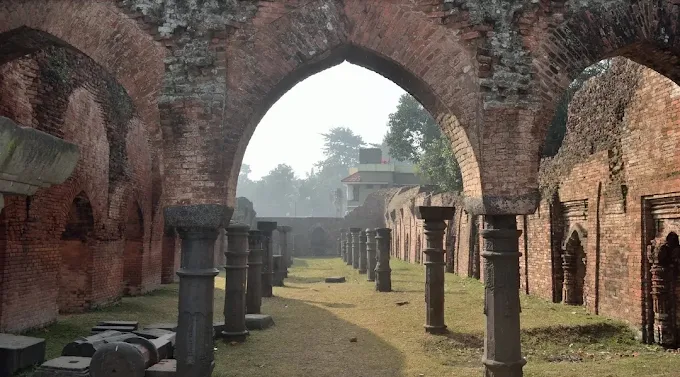
📍 121.14 km away
📍 122.42 km away
📍 132.07 km away
📍 137.43 km away
📍 186.01 km away
Stays near Ishwaripur Jeshoreshwari Kali Shakti Peetha

📍 Near Kurinji Andavar Temple · 1,825.1 km
stayStarting from ₹2,000 / night
Discover more temples you may be interested in
You may also like these temples