☰
🛕 Lord Devi | 📍 Ujani, Purba Bardhaman, West Bengal
Ujani Mangal Chandika Temple, situated in Kogram village (historically known as Ujani or Ujaninagar) in the Purba Bardhaman district of West Bengal, is celebrated as one of the sacred 51 Shakti Peethas of Hinduism. According to the foundational Shakta tradition documented in texts such as the Peetha Nirnaya and Devi Bhagavata Purana, when Lord Vishnu dismembered the lifeless body of Goddess Sati with His Sudarshana Chakra to pacify the cosmic grief of Lord Shiva, the right wrist (Dakshina Kara) of the Goddess fell at this sacred confluence. Here, the Divine Mother is venerated as Devi Mangala Chandika (Mangal Chandi), while Lord Shiva is consecrated alongside Her as Kapilambar Bhairava.
A remarkably distinctive characteristic of this shrine is the presence of both the Goddess and Her Bhairava together inside the single sanctum sanctorum (garbhagriha), symbolizing the eternal, inseparable union of Shakti (creative divine energy) and Shiva (transcendent consciousness). The name 'Mangala Chandika' embodies two theological aspects: 'Mangala' represents auspiciousness, benevolence, and welfare, while 'Chandika' represents the formidable, invincible force that conquers ignorance and adharma. Devotees believe that propitiating Devi Mangal Chandi dispels planetary afflictions, removes severe hindrances in marriage and livelihood, and safeguards families from sudden adversities. The temple is situated in the scenic rural backdrop where the Ajay River meets the Kunur River, infusing the sanctum with ancient spiritual tranquility.
The history of the Ujani Mangal Chandika Temple weaves together ancient mythological traditions, rich medieval Bengali literature, and regional riverine archaeology. While Shakta theology attributes the shrine's origin to the mythological fall of Goddess Sati's right wrist, archaeological and literary records establish that Kogram-Ujani was a flourishing ancient river-port and mercantile center from the early medieval era.
The historical significance of Ujani is deeply entrenched in Bengal's literary heritage, most prominently in the 16th-century epic 'Chandimangal Kavya' authored by Kabikankan Mukundaram Chakrabarti. The epic narrates the legendary exploits of the merchant Dhanapati Saudagar and his son Srimanta Saudagar, both wealthy traders residing in the fortified port town of Ujaninagar. Before embarking on perilous voyages through the Ajay and Bhagirathi-Hooghly rivers towards the Bay of Bengal and southern seas, merchants routinely offered elaborate pujas to Devi Mangal Chandi seeking safe passage and commercial prosperity. Regional excavations around Mangalkot and the Ajay valley have also unearthed prehistoric and historical artifacts, including Jain Tirthankara icons (such as Lord Shantinatha) and ancient Buddhist relics, demonstrating that the region was a vibrant spiritual crossroad for diverse faiths before establishing its enduring Shakta identity.
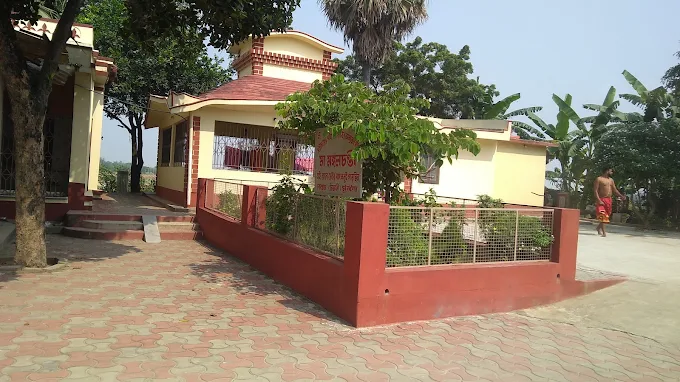
According to regional folklore, after the decline of the medieval fortified city, the sacred black stone deity remained nestled in the wilderness until it was rediscovered by a local cowherd. The modern temple structure is an austere, unornamented flat-roofed pavilion painted in traditional ochre-yellow, reflecting the rustic architecture of rural Bengal. Surrounded by century-old sacred trees and the flowing waters of the Ajay River, the shrine preserves centuries of undisturbed devotion without modern commercialization. It also carries cultural resonance as the birthplace of renowned early 20th-century Bengali nationalist poet Kumud Ranjan Mallick.
Devotees traditionally invoke Devi Mangala Chandika on Tuesdays to alleviate astrological afflictions associated with Mars (Mangal Dosha) and clear persistent hurdles in life.
Married women regularly observe the Mangal Chandi Vrata here, praying for their spouse's longevity, harmonious relationships, and overall domestic welfare.
According to traditional Bengali lore, prayers and offerings made to Mother Mangal Chandi are believed to bless childless couples with children and protect infants from illness.
Reflecting the historic traditions of maritime traders from ancient Ujani, pilgrims seek the Goddess's divine shield against unforeseen disasters and physical danger.
Because Devi Mangal Chandi and Bhairava Kapilambar share the same sanctum, worshiping here is believed to grant the rare spiritual grace of balanced inner peace and vitality.
A traditional devotional vrata observed predominantly by women on Tuesdays (Mangalbar) and Saturdays (Shanibar), involving offerings of red hibiscus flowers, sindoor, fruits, and the recitation of the sacred Mangal Chandi Panchali.
Special ceremonial chanting of the sacred verses of the Devi Mahatmya conducted by resident priests on auspicious lunar occasions such as Amavasya and Purnima for overall divine protection.
An intense Shakta ritual performed annually during Durga Puja at the precise astrological confluence of Maha Ashtami and Maha Navami, featuring the lighting of 108 earthen lamps and floral tributes.
No festivals available.
📍 23.07 km away
📍 26.56 km away
📍 31.97 km away
📍 50.46 km away
📍 65.17 km away
📍 65.24 km away
Stays near Ujani Mangal Chandika Shakti Peetha

📍 Near Kurinji Andavar Temple · 1,845.6 km
stayStarting from ₹2,000 / night
Discover more temples you may be interested in
You may also like these temples