☰
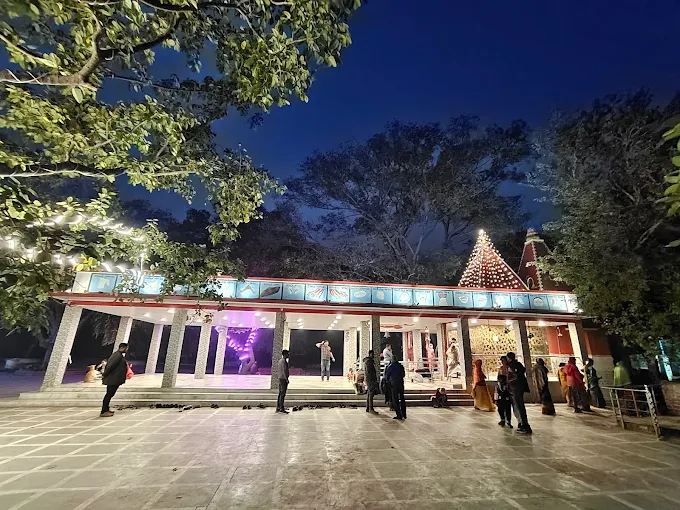
🛕 Lord Devi | 📍 Kankalitala, Birbhum, West Bengal
Kankalitala Temple, situated on the banks of the Kopai River near Bolpur-Shantiniketan in the Birbhum district of West Bengal, is revered as one of the sacred 51 Shaktipeethas of Hinduism. According to traditional Shakta belief, when Lord Vishnu severed the mortal remains of Goddess Sati with his Sudarshana Chakra to pacify the grief-stricken Tandava dance of Lord Shiva, her waist and pelvis—known in Bengali and Sanskrit as 'Kankal'—fell at this location. Consequently, the presiding goddess is worshipped as Maa Devagarbha or Maa Kankaleshwari, while Lord Shiva is venerated as her protective guardian consort in the form of Ruru Bhairava (locally referred to as Shambhu Baba).
A unique spiritual feature of Kankalitala is the absence of a traditional stone, metal, or clay idol in the main sanctum. The sanctum enshrines a sacred framed portrait depicting Goddess Kali standing upon Lord Shiva, while the true primary seat of worship is the sacred pond or water tank ('Kund' or 'Dudh Pukur') located immediately beside the temple building. Devout tradition holds that the skeletal pelvic relic of the Goddess remains submerged at the depths of this perennial spring-fed kunda. Pilgrims consider the waters sanctified and offer their reverent pranams directly to the pool.
Adjacent to the main shrine stands the ancient shrine of Ruru Bhairava, which features a historic sunken and fractured Shiva Lingam resting below ground level. Tantric and Shakta traditions are deeply woven into the sanctity of Kankalitala, emphasized by the presence of a traditional cremation ground (shmashan) within the broader perimeter along the Kopai riverbank. Unlike larger, highly commercialized pilgrimage complexes, Kankalitala retains an unpretentious, rural spiritual ambience marked by terracotta architecture, ancient banyan and neem trees, and wandering Baul singers whose mystic devotional melodies celebrate the divine feminine presence amid the red laterite soil of Birbhum.
While the origin of Kankalitala is rooted in the timeless Puranic lore of Daksha Yajna and the dismemberment of Sati, its documented material history reflects the socio-cultural evolution of the Rarh region in medieval and modern Bengal. Birbhum district has historically been recognized as a core heartland of Shakta tantrism, containing an extraordinary cluster of five prominent Shaktipeethas—Tarapith, Bakreshwar, Nalhati, Fullara (Attahas), and Kankalitala.
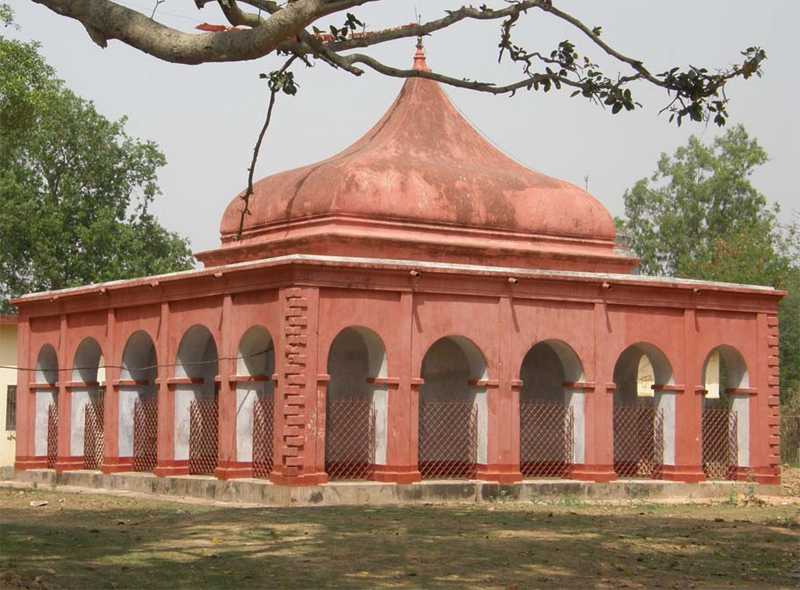
Historical records from local zamindari archives of the 18th and early 19th centuries indicate that Kankalitala long served as a rural folk shrine and Tantric sadhana center before formal masonry structures were constructed. The present brick temple, built in the traditional Bengali vernacular architectural style, features a square sanctum topped by a curved pyramidal roof (chala influence) with a modest metal trident finial, and an adjoining covered pillared pavilion known as the Natmandir. This Natmandir was designed to accommodate congregations of devotees and shield them from the severe summer elements while allowing a direct sightline to the altar.
The history of the adjacent Ruru Bhairava shrine carries notable regional historical memory. Oral tradition in Birbhum records that the original large Swayambhu Shiva Lingam was partially shattered during the 16th-century military incursions led by the general Kalapahar, who led destructive raids on several Hindu temples across Bengal and Odisha. Rather than abandoning the desecrated icon, local priests and devotees preserved the remaining sunken base below ground level, continuing daily water oblations directly into the subterranean fissure, an uncommon custom preserved to this day.
During the early 20th century, the cultural profile of Kankalitala became closely linked with the spiritual and cultural landscape of Santiniketan, founded by Nobel laureate Rabindranath Tagore just 9 kilometers away. Tagore frequently walked and composed poems along the peaceful Kopai River passing by Kankalitala. Throughout the 20th and 21st centuries, the temple administration was managed through hereditary priestly families and local village committees, consciously preserving its austere, pastoral character and preventing hyper-commercialization. Annual congregations such as Chaitra Sankranti have drawn regional folk traditions, wandering ascetics, and Baul minstrels for centuries, making Kankalitala an enduring repository of Bengal's living Shakta heritage.
According to traditional belief, as this Peetha represents the sacred waist and spine (kankal) of Devi Sati, prayers offered here bestow spiritual backbone, psychological resilience, and endurance to navigate severe life tribulations.
Pilgrims, especially prospective parents, traditionally participate in the sacred ritual of tying sanctified threads or stones to the wishing tree near the holy tank, believing Maa Devagarbha blesses devotees with fertility and healthy offspring.
Offering prayers beside the consecrated waters of the sacred Dudh Pukur is traditionally believed to cleanse negative karmic impressions and provide spiritual alleviation from chronic physical and mental distress.
Worship performed at the sunken lingam pit of Ruru Bhairava (Shambhu Baba) is believed in traditional Shakta-Shaiva custom to dispel the fear of untimely death, malefic planetary influences, and occult disturbances.
The serene rural setting along the banks of the Kopai River offers an unhurried, pure spiritual environment that fosters deep contemplation, mental clarity, and emotional stillness.
A popular devotional ritual where pilgrims tie sacred red threads (moli) or small stones wrapped in red cloth to the ancient wishing tree near the pond while making a vow, returning to untie it once their prayer is fulfilled.
The sacred offering of pure water, milk, and bael leaves poured directly into the sunken subterranean pit housing the historic fractured lingam of Ruru Bhairava to invoke Lord Shiva's grace.
An annual religious congregation celebrated on the last day of the Bengali calendar year (mid-April), featuring special Shakta pujas, havan ceremonies, and traditional community gatherings.
Grand nocturnal Shakta rituals performed on Diwali night (Kartik Amavasya), featuring special tantric and vedic worship with hundreds of oil lamps illuminating the riverbank and temple premises.
The annual Kankalitala Fair (also known regionally as the Chaitra Sankranti Mela or Kanchidesh Festival) is the primary annual gathering of the temple. Traditionally celebrated aro...
Durga Puja is celebrated with great religious fervor at Kankalitala Shaktipeeth. Devotees from Birbhum and surrounding regions visit the sacred complex, situated along the Kopai Ri...
As a principal Shakta center venerating Maa Kankali (manifestation of Goddess Kali), Kali Puja is observed on Kartik Amavasya (coinciding with Diwali night). The festival features...
Kaushiki Amavasya (Bhadra Amavasya) is an important tantric occasion observed across the Shakta pilgrimage belt of Birbhum (including Tarapith and Kankalitala). Religious tradition...
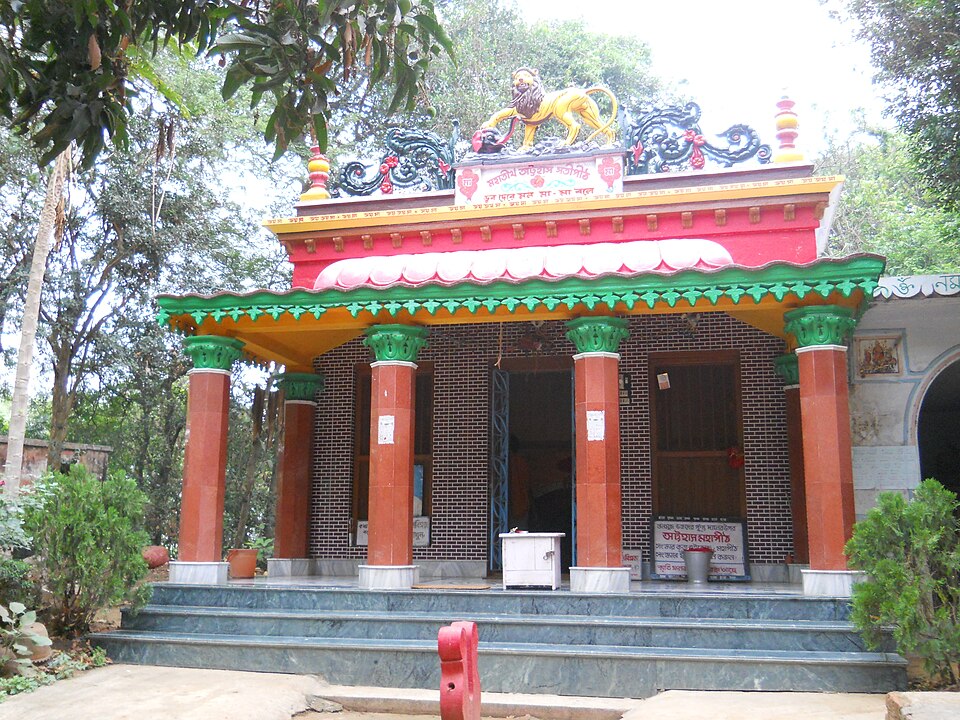
📍 14.47 km away
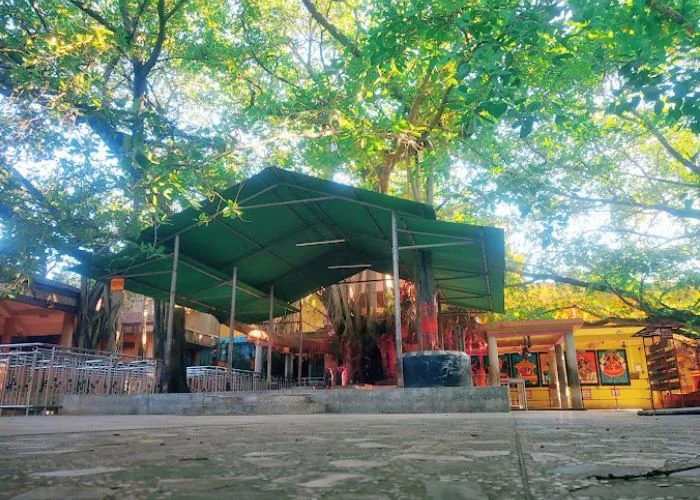
📍 26.18 km away
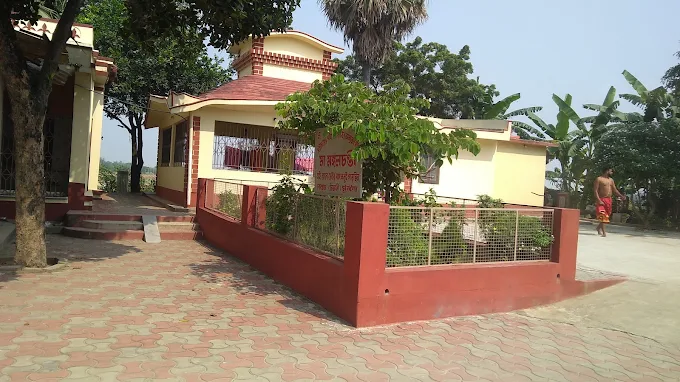
📍 26.56 km away
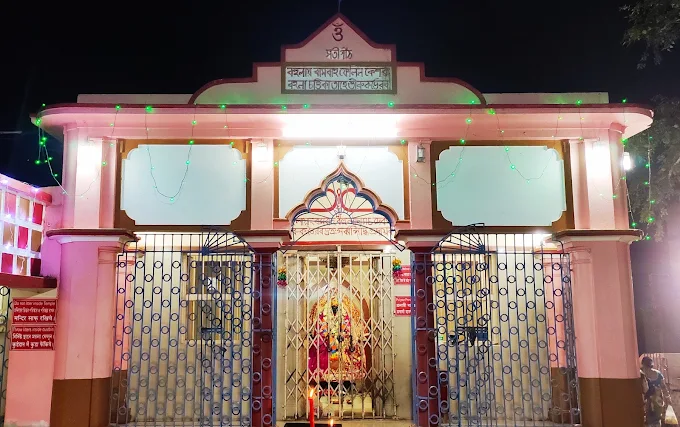
📍 32.69 km away
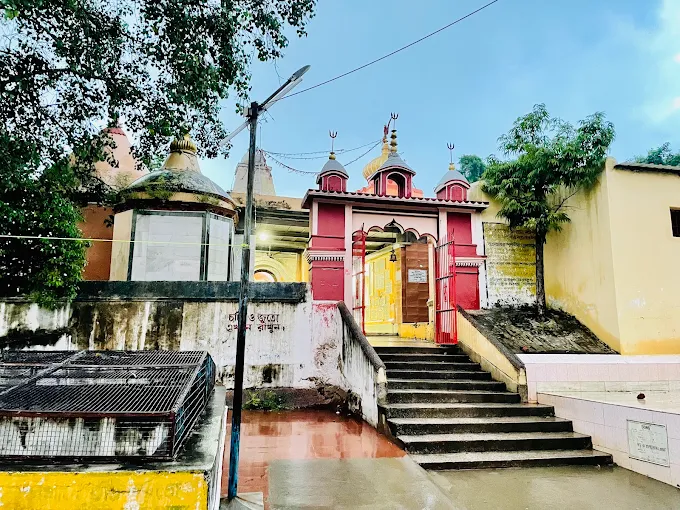
📍 39.56 km away
📍 73.82 km away
Stays near Bolpur Kankalitala Shaktipeeth Temple

📍 Near Kurinji Andavar Temple · 1,850.0 km
stayStarting from ₹2,000 / night
Discover more temples you may be interested in
You may also like these temples