☰
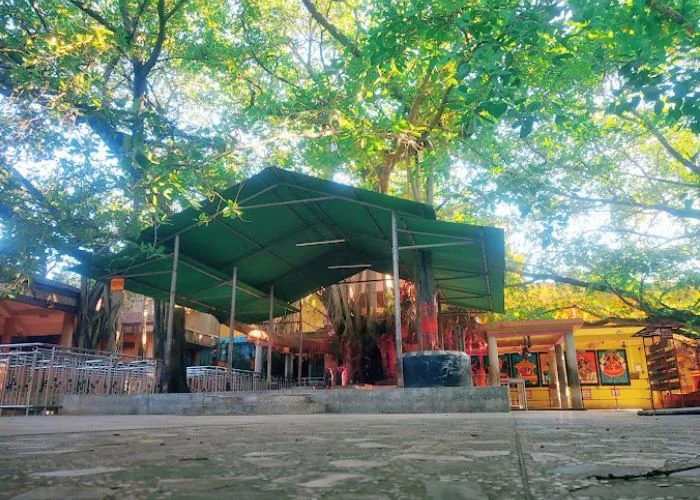
🛕 Lord Devi | 📍 Sainthia, Birbhum, West Bengal
Nandipur Nandini Shakti Peetha, locally revered as the Nandikeshwari Temple or Nandikeshwari Tala, is one of the revered Shakta pilgrimage sites situated in Sainthia in the Birbhum district of West Bengal, India. According to traditional Shakta belief and Puranic lore regarding the Daksha Yajna, when Lord Vishnu deployed the Sudarshana Chakra to sever the sacred remains of Devi Sati carried by an anguished Lord Shiva, Devi Sati's necklace (Kanthahaar)—or according to alternate local traditions, her collarbone—fell at this holy site. The primordial cosmic energy (Shakti) is enshrined here as Goddess Nandini (or Nandikeshwari), while her accompanying Bhairava protector is worshipped as Nandikeshwar. The divine name Nandikeshwari signifies 'She who is adored and propitiated by Nandi', the foremost devotee and vahana of Lord Shiva. Unlike conventional anthropogenic idols, the sanctum sanctorum houses an aniconic, self-manifested (svayambhu) black rock shaped like the carapace of a tortoise (Kurmapristha). Devotees continuously coat this sacred stone with sindoor (vermilion), giving it an incandescent red hue, accentuated by a silver crown and three golden eyes that gaze compassionately upon visiting pilgrims. The shrine occupies a central place in the sacred geography of Birbhum's celebrated Shakti Peetha circuit, forming an enduring beacon of Shakta tantra and rural Bengali folk devotion.
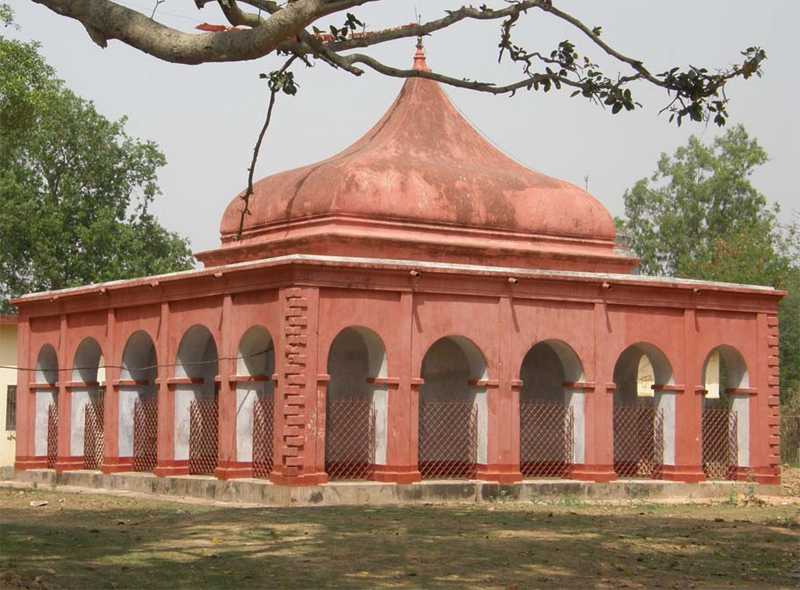
While devotional tradition dates the sanctity of Nandipur to primordial Puranic antiquity, documented architectural history reveals that the present structural shrine was constructed in 1913 CE, corresponding to the year 1320 of the traditional Bengali calendar (Bongabda). Before urbanization, the area was a peaceful rural hamlet named Nandipur, situated along the southern banks of the sacred Mayurakshi River. Over decades, the hamlet expanded into the bustling commercial township of Sainthia, though the shrine retained its spiritual preeminence under the popular name Nandikeshwari Tala. The temple compound is built on an elevated plinth and reflects indigenous rural Bengali temple craftsmanship, surrounded by an ensemble of ancillary shrines dedicated to Lord Shiva, Rama-Sita, Radha-Govinda, Dashavatara, Maha Saraswati, Maha Lakshmi, Ganesha, and Bajrangbali (Hanuman). Distinctive terracotta-inspired friezes depicting the Dasa Mahavidyas (ten tantric wisdom goddesses) adorn the temple structures. At the spiritual core of the complex stands an ancient sacred banyan tree (Vata Vriksha), around which centuries of regional votive traditions have flourished. Documented records maintained by regional cultural historians and the Birbhum district administration affirm that the shrine has functioned continuously as a prominent community-managed pilgrimage centre, holding an integral position alongside neighbouring Shakta shrines such as Tarapith, Bakreshwar, Nalateshwari, Fullara, and Kankalitala.
Devotees traditionally tie holy red and yellow threads (manokamna dhaga) around the ancient banyan tree in the temple courtyard, believing that Mother Nandini blesses her children with the fulfillment of earnest prayers.
Worshipping the vermilion-coated sacred tortoise stone and offering sindoor to Devi Nandini is traditionally believed to bestow longevity to spouses, marital happiness, and family welfare.
Pilgrims invoke Mother Nandikeshwari alongside Bhairava Nandikeshwar to attain spiritual resilience, ward off malicious influences, and gain mental courage during life crises.
Visiting this sanctified ground where Devi Sati's divine ornament fell is held by Shakta traditions to cleanse accumulated karmic impurities and foster spiritual awakening.
A traditional votive ritual where pilgrims tie red or saffron sanctified threads onto the branches of the ancient temple banyan tree while making personal wishes.
A devotional offering of pure vermilion paste, red garments (chunri), and floral garlands directly dedicated to the sacred tortoise-shaped stone form.
Intensive Shakta ritual observances, Chandi Path recitations, and special evening aartis performed on every new moon and full moon night.
Grand festive ceremonies featuring elaborate sacrificial homams, continuous Chandi chanting, and community anna-prasad distribution during Sharadiya Navaratri and Dipannita Kali Puja.
No festivals available.
📍 19.74 km away
📍 26.18 km away
📍 31.94 km away
📍 45.88 km away
📍 50.46 km away
📍 61.23 km away
Stays near Nandipur Nandini Shakti Peetha

📍 Near Kurinji Andavar Temple · 1,868.1 km
stayStarting from ₹2,000 / night
Discover more temples you may be interested in
You may also like these temples