☰
🛕 Lord Devi | 📍 Ketugram, Purba Bardhaman, West Bengal
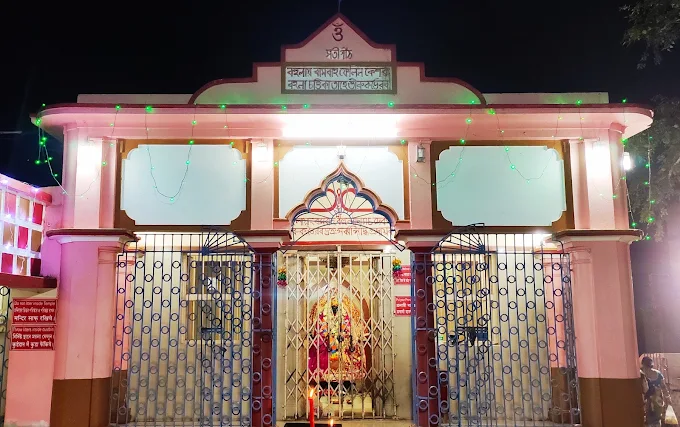
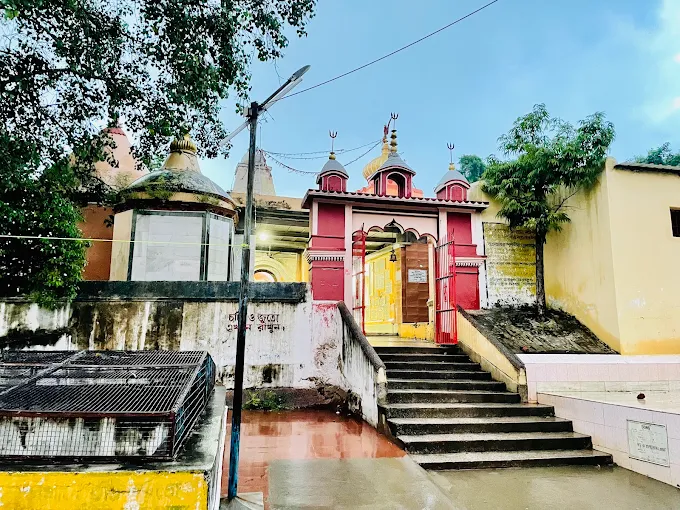
Ketugram Bahula Shakti Peetha is venerated as one of the sacred 51 Shakti Peethas in Hinduism, situated on the scenic banks of the Ajay River in the Purba Bardhaman district of West Bengal. According to ancient Puranic tradition, this is the sacred spot where the left arm ('Vama Bahu') of Goddess Sati fell after Lord Vishnu severed her mortal remains with his Sudarshan Chakra to pacify the cosmic grief and destructive Tandava dance of Lord Shiva. The presiding female divinity is worshipped as Devi 'Bahula', a Sanskrit name denoting lavishness, opulence, and boundless abundance, symbolizing the Mother Goddess's power to bestow boundless spiritual and material prosperity. Her divine consort and protector Bhairava is worshipped as 'Bhiruk' or 'Bhootnath', revered in Shakta literature as 'Sarvasiddhidayak' (the granter of all spiritual perfections and attainments). Classical Shakta scriptures, including the Pithanirnaya Tantra, commemorate this holy seat with the verse: 'Bahulāyāṁ vāmabāhu bahulākhyā ca devatā | Bhīrukaḥ bhairavastatra sarvasiddhipradāyakaḥ ||'. Inside the sanctum sanctorum, the Mother Goddess is enshrined as a four-armed deity carved from black chlorite stone (kasthi pathar), seated gracefully in the padmasana posture on a lotus base, flanked by her celestial sons, Lord Kartikeya and Lord Ganesha. Remarkably, the accompanying icon of Lord Ganesha is depicted with eight arms (Ashtabhuja Ganesha), an exceptionally rare iconographical form in Indian sacred art. Local tradition also associates the shrine with a nearby ancient sacred ground known as 'Maraghat Mahatirtha'. The shrine stands as a tranquil epicenter of Shakta Tantric devotion and folk worship, drawing spiritual seekers seeking peace, protection, and fulfillment of deep-seated prayers.
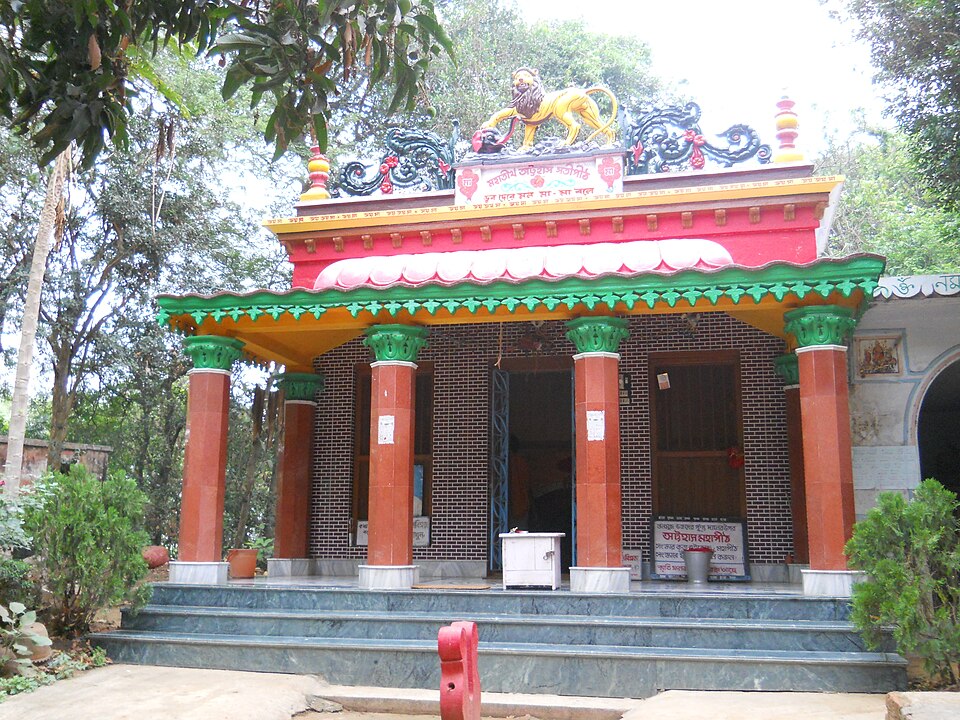
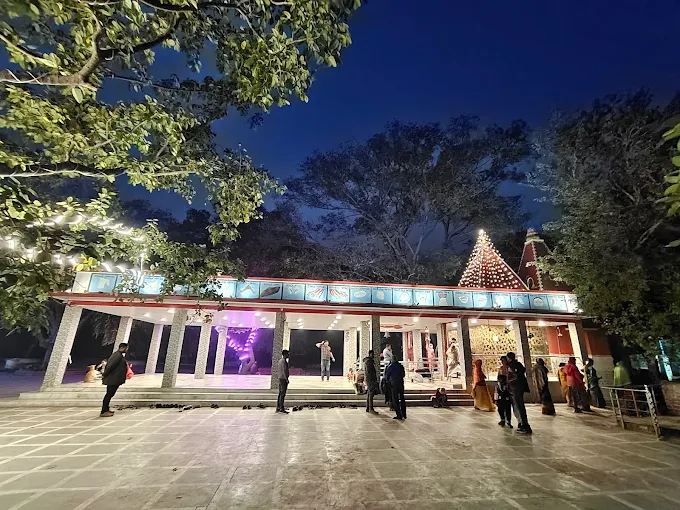
Ketugram Bahula Shakti Peetha possesses a rich tapestry of history combining regional lore, medieval Bengali literature, and living Shakta customs. In local tradition, the settlement was originally called 'Bahula' after the presiding deity, but was later renamed 'Ketugram' after Raja Chandraketu, son of King Bhopal of the regional Tili dynasty. Historical folklore credits Raja Chandraketu with establishing or consecrating the black stone vigrahas of Goddess Bahula along with Lord Kartikeya and Lord Ganesha. The site holds a revered place in Bengal's literary history. The prominent 18th-century court poet Bharatchandra Ray Gunakar celebrated this shrine in his famous Bengali Shakta epic 'Annadamangal' with the lines: 'Bahulay bama bahu phelilo keshob | Bahula Chandika tay Bhiruk Bhairab'. Scholars such as Binoy Ghosh have also noted oral traditions connecting Ketugram with the legendary 14th-century Vaishnava Padavali poet Badu Chandidas. Local lore relates that Chandidas resided here and served as a priest at the Bahulakshi temple before relocating to Nanoor in Birbhum; an elevated mound in the northern part of Ketugram is remembered locally to this day as 'Chandibhita'. The temple administration and ritual patronage were maintained over several generations by the local aristocratic Rao zamindar family, whose descendants continue to serve as the temple's hereditary servitors (sebayits). Historically, the shrine was situated directly along the alluvial flats of the Ajay and Ishani rivers. Due to historical river erosion and flood siltation, the older structural sanctums were reconstructed in subsequent centuries. The present-day temple features a traditional Bengal-style modest masonry sanctum fronted by an extensive 'Natmandir' (congregation hall) with open colonnades and cool red-stone paving, preserving the uninterrupted worship of the ancient deity amidst peaceful rural surroundings.
According to Shakta tradition, Goddess Bahula personifies boundless prosperity and abundance; devotees pray here with deep devotion to overcome chronic poverty, financial debts, and hardship.
Devotees revere Lord Bhairava here as 'Bhiruk' or 'Sarvasiddhidayak' (the provider of all yogic accomplishments); silent meditation at this peetha is believed to eliminate anxieties and bestow clarity of thought.
The presence of a rare eight-armed Lord Ganesha alongside Mother Bahula and Lord Kartikeya is traditionally believed to dissolve severe obstacles, shield families from negativity, and grant auspicious success.
Devout tradition holds that participating in the sacred temple rituals and bathing in the historic pond adjacent to the shrine aids in recovering from persistent physical ailments and promotes vitality.
The premier annual festival celebrated with immense grandeur during the Bengali month of Ashwin (September–October), featuring specialized Chandi Path, homas, traditional rituals, and community anna prasad distribution.
Special night-long worship of Lord Bhairava (Bhiruk Maharaj) and the sacred Shiva Lingam with milk, water, panchamrit, and bilva leaves, observed by fasting devotees.
A week-long celebratory festival and traditional rural fair organized in the temple environs during Spring (March–April), marked by special vows, kirtans, and community gatherings.
Devotees can sponsor the midday cooked meal offering to Devi Bahula by voluntary contribution through the temple sebayits, receiving sanctified mahaprasad in return.
Sharadiya Durga Puja is the primary festival celebrated at the Bahula Shakti Peetha. Although rituals continue throughout the Navaratri period, the worship culminates on Maha Navam...
Dol Utsav is a unique annual seven-day festival at Bahula temple that represents the confluence of Shakta and Vaishnava traditions in the region. Alongside special worship for Godd...
Dedicated to Lord Shiva in his manifestation as Bhairava Bhiruk (Sarvasiddhidayak / Bhootnath), the presiding Bhairava associated with Bahula Shakti Peetha. The shrine conducts spe...
The Shiva Gajan festival is observed during the transition into the Bengali New Year at the end of Chaitra. Dedicated to Lord Shiva / Bhairava, the festival features traditional mo...
Celebrated on the new moon night of Kartik, coinciding with Diwali. As an important Shakti shrine, the temple conducts specialized night-time tantric worship, deepdan (lighting of...
📍 23.07 km away
📍 26.78 km away
📍 32.69 km away
📍 45.88 km away
📍 58.41 km away
📍 70.61 km away
Stays near Ketugram Bahula Shakti Peetha

📍 Near Kurinji Andavar Temple · 1,868.7 km
stayStarting from ₹2,000 / night
Discover more temples you may be interested in
You may also like these temples