☰
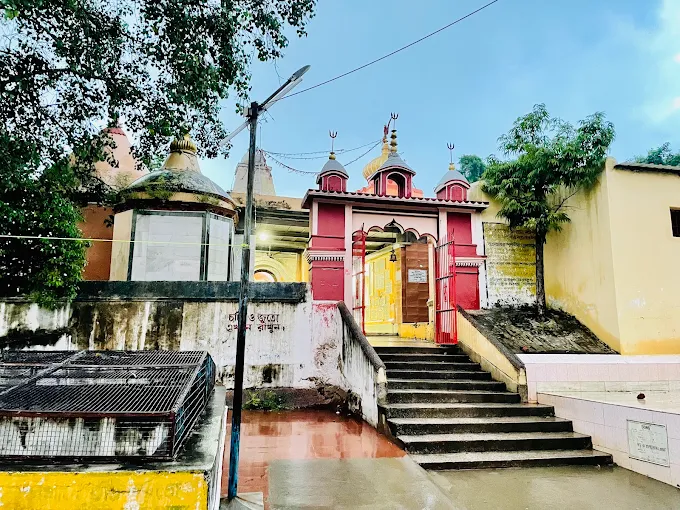
🛕 Lord Devi | 📍 Bakreshwar, Birbhum, West Bengal
Bakreshwar Mahishamardini Temple is one of the revered 51 Shakti Peethas located in the Birbhum district of West Bengal, India. According to sacred Shakta traditions documented in texts such as the Tantra Chudamani and the Pithanirnaya, when Lord Vishnu deployed the Sudarshana Chakra to sever the burnt mortal remains of Devi Sati carried by mourning Lord Shiva, the portion between her eyebrows (the Bhrumadhya, traditionally revered as the seat of the mind or Ajna Chakra) fell at this holy spot. The presiding goddess is enshrined as Devi Mahishamardini—the ten-armed slayer of the demon Mahishasura—and is spiritually guarded by her Bhairava consort, Lord Vakranath (a manifestation of Lord Shiva). The shrine occupies a unique position in Hindu pilgrimage geography due to its seamless synthesis of Shakta and Shaiva worship along the sacred banks of the Papahara (Bakreshwar) River. Adding to its spiritual aura is the presence of several natural geothermal sulfur springs (Kundas), including Agni Kund, Surya Kund, Brahma Kund, and Amrita Kund, which bubble with varying temperatures and are considered deeply purifying. Sages and pilgrims throughout centuries have revered the site as a crucible of spiritual transformation and liberation from karmic afflictions.
The history of Bakreshwar comprises a synthesis of ancient puranic legends, medieval temple architecture, and regional Tantric monastic practices of the Rarh region of Bengal. According to legend, the site draws its name from Sage Ashtavakra (also known in regional folklore as Rishi Subrita), who was born with eight physical twists due to an ancient curse of anger. Seeking liberation from bodily afflictions, he arrived at this secluded forest realm known as Guptakashi and engaged in intense penance to Lord Shiva for millennia; deeply pleased, Shiva restored the sage's physical form and granted that the sanctuary be named Vakreshwar (Lord of the Bended Sage). Historically, while spiritual practices at the hot springs date back to early medieval times, the present temple structures reflect the Rekha deul and transitional Odishan-Bengali temple architectural styles developed between the 16th and 18th centuries under the patronage of local landlords and kings of Birbhum. The Mahishamardini shrine features a soaring shikhara, decorative terracotta elements, and stone masonry preserved over generations. The temple complex is also renowned for centuries of Tantric sadhana, attracting ascetics and practitioners belonging to both Aghori and Nath sampradayas due to its proximity to the adjacent cremation grounds and primal geothermal waters.
Devotional belief holds that worshipping at the site where Sati's Bhrumadhya fell grants deep mental focus, pacifies agitated thought processes, and clears psychological distress.
According to sacred tradition, taking a ritual dip in the sanctified waters of the Papahara River and sacred springs assists in dissolving past misdeeds and sins.
Traditional lore associates the shrine with sage Ashtavakra's miraculous recovery from bodily deformities; pilgrims additionally hold faith in the therapeutic mineral properties of the natural hot springs.
Devotees worship Maa Mahishamardini and Bhairava Vakranath together to seek divine courage, triumph over hidden adversaries, and protection against negative spiritual influences.
Special tantric and Vedic recitation of the Devi Mahatmya along with red hibiscus flower offerings performed for removal of hurdles and spiritual empowerment.
Traditional abhishek performed to the presiding Vakranath Shiva Lingam using milk, holy river water, honey, and sacred bilva leaves.
Special priestly prayer ritual conducted for pilgrims prior to a holy purifying bath in the designated thermal springs.
No festivals available.
📍 31.94 km away
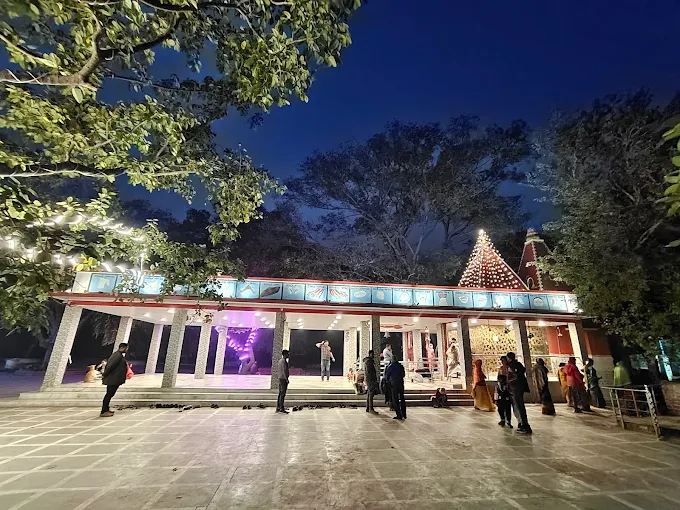
📍 39.56 km away
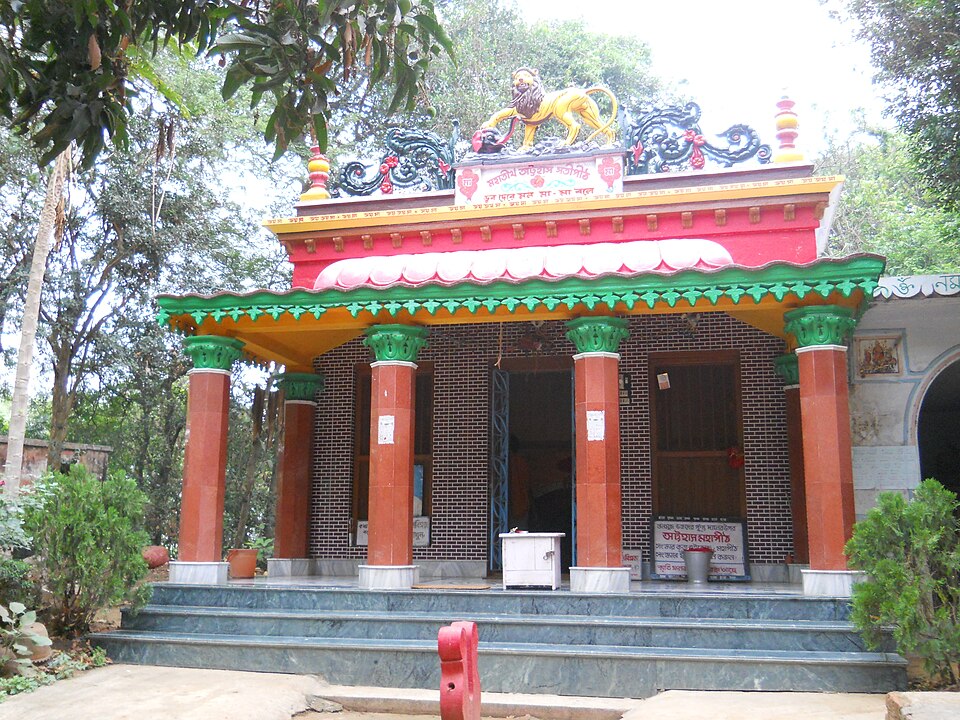
📍 44.80 km away
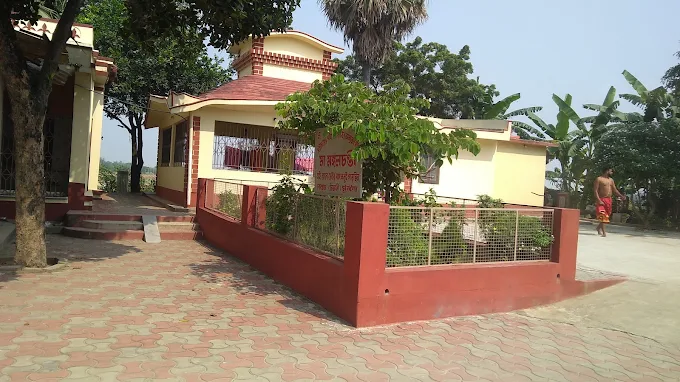
📍 65.17 km away
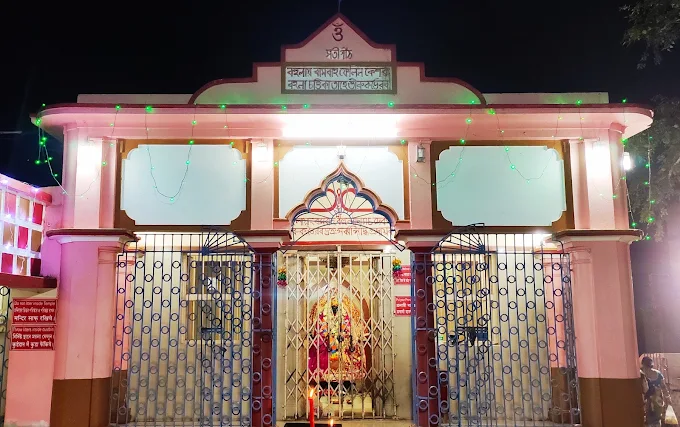
📍 70.61 km away
📍 92.58 km away
Stays near Bakreshwar Mahishamardini Shakti Peetha

📍 Near Kurinji Andavar Temple · 1,843.5 km
stayStarting from ₹2,000 / night
Discover more temples you may be interested in
You may also like these temples