☰
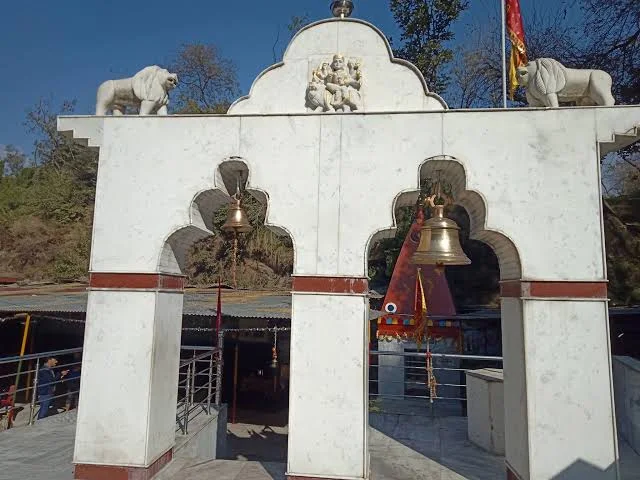
🛕 Lord Devi | 📍 Jindrah, Jammu, Jammu and Kashmir
Jindrah Nabha Mata Shaktipeeth, located in the picturesque Shivalik foothills near Jindrah in the Dansal tehsil of Jammu district, Jammu and Kashmir, is a revered cave shrine steeped in regional Shakta devotional tradition. According to local religious belief, when Lord Vishnu severed the mortal remains of Goddess Sati with His Sudarshana Chakra to pacify the sorrow-filled Rudra Tandava of Lord Shiva, Sati's navel ('Nabhi') fell at this holy spot. Because of this belief, the presiding deity is reverently called 'Nabha Devi' or 'Nabha Mata', and the sanctum is worshipped locally as a prominent Shaktipeeth. The temple is situated within an ancient natural limestone cave characterized by dramatic geological formations, notably a rock cluster revered as the multi-hooded Sheshnag extending divine protection over the sanctum, as well as a naturally formed Shivalinga. An extraordinary spiritual and natural feature of the shrine is the perennial dripping of mineral-rich water from stalactites above the cave ceiling directly onto the sacred icons. Pilgrims regard this water as sacred Ganga Jal or Amrit, collecting it to consume as holy charanamrit and to seek physical and spiritual healing. Devotees visit the shrine with intense devotion, particularly childless couples seeking offspring, believers seeking cures for chronic illnesses, and pilgrims undertaking journeys across the Jammu and Vaishno Devi pilgrimage circuits.
The history of Nabha Mata Temple blends ancient Himalayan Shakta tradition with centuries of regional Dogra veneration. Situated in the Jammu Shivalik belt along the ancient travel routes connecting Jammu, Udhampur, and the historic Babbapura (modern-day Manwal, renowned for 9th-11th century stone temple architecture), the natural cave was originally revered by local hill tribes, shepherds, and sages as a quiet meditative cavern imbued with primal earth energy. For generations, worship was sustained through simple folk traditions of the Dogra community, who celebrated the perennial water spring and stalactite formations as manifestations of the Divine Mother.
In modern history, due to its strategic and remote hilly location near the Jammu–Srinagar highway corridor (accessible via Domel and Dansal), the shrine came under the benevolent guardianship and care of the Indian Army units stationed in the region, working alongside local village elders and trust committees. The Indian Army personnel helped construct formal pathways, security checkpoints, visitor waiting sheds, protective railings, and water collection channels, while strictly maintaining the pristine sanctity and cleanliness of the cave complex. Today, while standard theological compendiums vary regarding the exact geography of the 51 Shaktipeethas, Nabha Mata holds an indisputable and profound status in Jammu's living folk religion as an authentic Shakti center, drawing thousands of devotees especially during Chaitra and Sharad Navratri festivals.
According to strong local belief and tradition, childless couples who pray devoutly at Nabha Mata's sanctum and offer prayers are blessed with children.
Devotees traditionally believe that the mineral-rich perennial spring water naturally dripping inside the cave from the limestone formations possesses divine curative properties against skin and bodily ailments.
The serene mountain environment and calm cave atmosphere offer deep solace, helping devotees alleviate mental anxiety, fears, and life fatigue.
Pilgrims firmly hold that genuine heartfelt prayers made before Nabha Mata never go unanswered, leading to the fulfillment of legitimate worldly and spiritual wishes.
The presence of the natural rock formation resembling Sheshnag and the Mother's Shakti is believed to shield devotees and their families from malevolent energies.
Devotional offering of a red holy cloth (Chunri), cosmetics, and sacred ornaments to the Goddess, typically performed by pilgrims seeking marital bliss or progeny.
Elaborate Vedic fire rituals and recitation of the Durga Saptashati performed during the nine days of Chaitra and Sharad Navratri for universal welfare and fulfillment of prayers.
The ceremonial worship and feast offered to nine young girls as living embodiments of the Mother Goddess, especially observed on Ashtami and Navami of Navratri.
No festivals available.
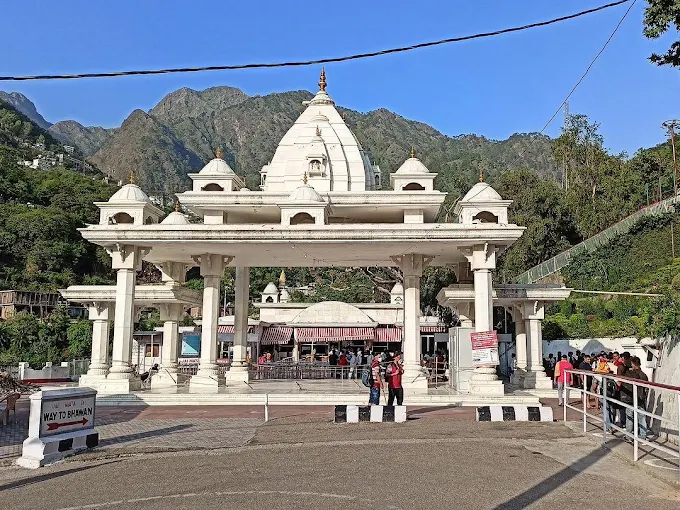
📍 24.29 km away
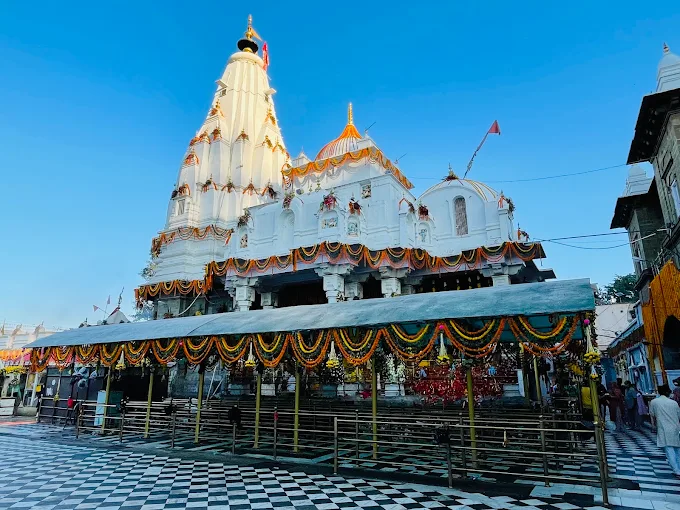
📍 140.37 km away
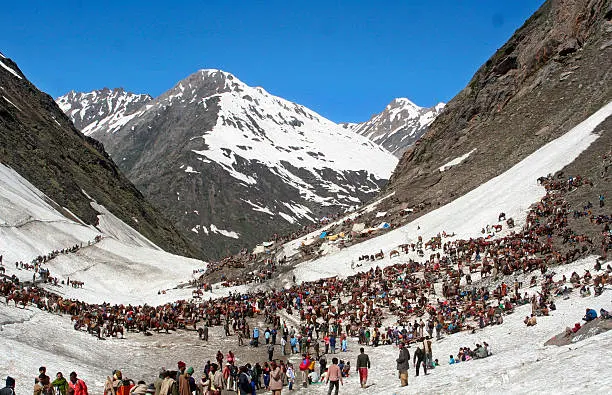
📍 160.04 km away
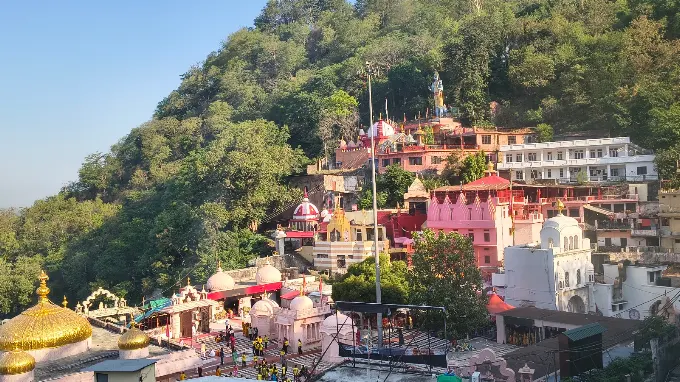
📍 160.09 km away
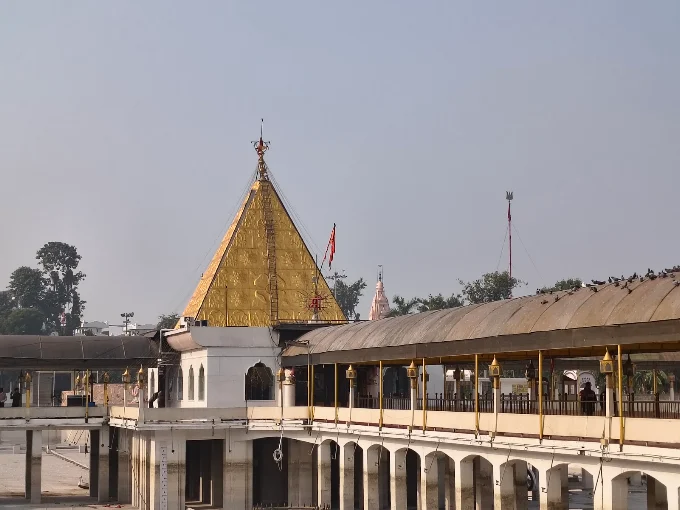
📍 172.68 km away
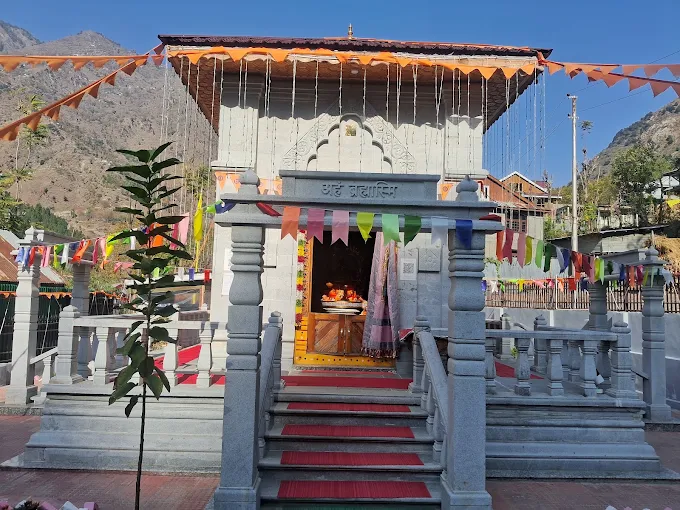
📍 210.08 km away
Stays near Jindrah Nabha Mata Shaktipeeth

📍 Near Kurinji Andavar Temple · 2,524.2 km
stayStarting from ₹2,000 / night
Discover more temples you may be interested in
You may also like these temples