☰
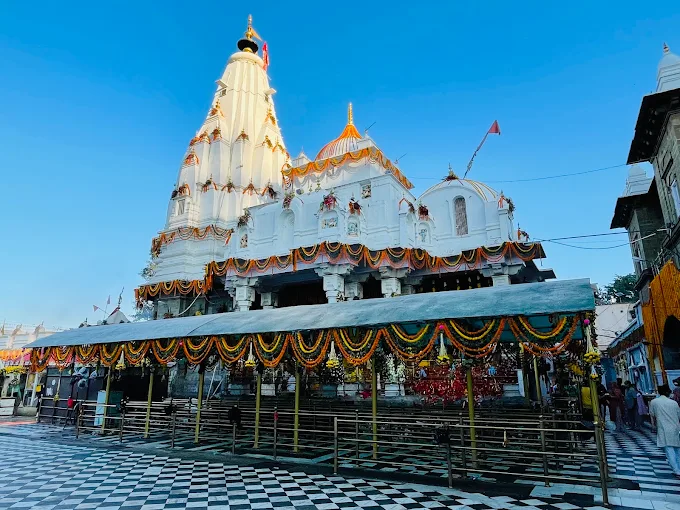
🛕 Lord Devi | 📍 Kangra, Kangra, Himachal Pradesh
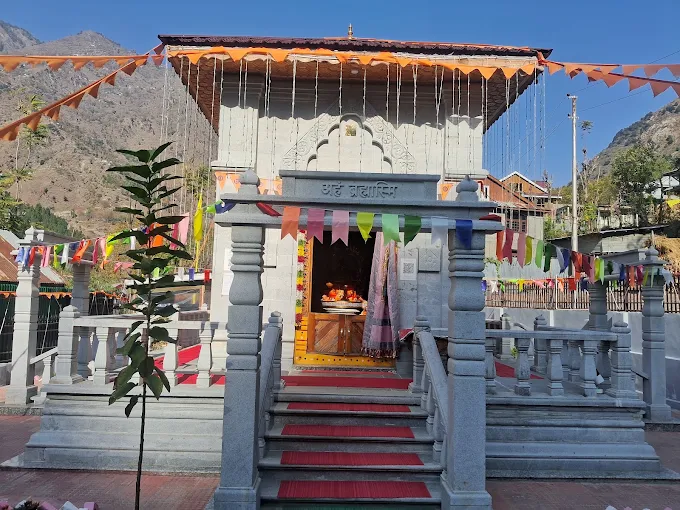
Shri Brajeshwari Devi Temple, located in the ancient town of Kangra (historically known as Nagarkot) in Himachal Pradesh, is among the most revered and spiritually potent Shakti Peethas of Sanatana Dharma. According to sacred Shakta lore documented in Puranic literature, this is the sanctified spot where the left breast ('stana') of Goddess Sati fell following Lord Shiva's grief-stricken Tandava and Lord Vishnu's cosmic intervention with the Sudarshana Chakra. The presiding deity is worshipped as Mata Brajeshwari (or Vajreshwari), an epithet derived from 'Vajra' (the cosmic thunderbolt) and 'Ishwari' (the supreme divine ruler), embodying Durga's invulnerability, maternal nourishment, and fierce protection against negative forces.
Inside the sanctum sanctorum, the Goddess is venerated not as an anthropomorphic stone idol, but in the primeval, aniconic form of holy 'Pindis' (natural rock formations). The central sanctum enshrines three distinct pindis representing Mata Brajeshwari, Bhadrakali, and Ekadashi Devi, flanked by the protective guardian deity Lord Lal Bhairava and a shrine commemorating Bhakt Dhyanu. A theological feature of this shrine is its worship on Ekadashi: whereas traditional Vaishnava and Smartha customs prescribe fasting from grains, here consecrated rice prasad is traditionally distributed in honor of Ekadashi Devi.
The temple is also celebrated for its unique 'Ghrit Mandal' festival during Makar Sankranti. According to local lore, when the Goddess was wounded while battling demonic forces such as Mahishasura or the demon Kalikala, celestial deities treated her wounds with pure clarified butter (ghee). Commemorating this divine healing, hundreds of kilograms of butter, washed repeatedly in chilled water, are applied over the holy pindi on Makar Sankranti. After several days of ritual application, this butter prasad is sought after by pilgrims for its traditional healing properties.
Kangra Brajeshwari Devi Temple possesses an extraordinary recorded history marked by immense ancient wealth, devastating foreign invasions, tragic natural disasters, and continuous devotional revival. According to local religious tradition and the Mahabharata tradition, the original shrine was erected by the Pandavas in the historic principality of Nagarkot following a divine revelation from Goddess Durga during their period of exile.
From the early medieval era, Nagarkot was celebrated throughout the Indian subcontinent as one of the richest temples in Northern India, repository to astronomical offerings of gold, silver, pearls, and diamonds made by royalty across the Himalayas and Punjab plains. This fabled affluence made it an enticing target for foreign conquerors. In 1009 CE, Sultan Mahmud of Ghazni laid siege to the adjoining Kangra Fort and plundered the Brajeshwari Temple, taking away enormous treasures of gold bullion, silver coins, and jewels, leaving the shrine desecrated. Despite this calamity, the Katoch Rajput kings of Kangra, who held the Goddess as their patron sovereign, swiftly restored the sanctum.
In 1360 CE, Sultan Firoz Shah Tughlaq attacked Nagarkot, desecrated the shrine once more, and took away temple properties. Later during the Mughal epoch, the temple experienced peaceful patronage; Emperor Akbar visited the region and, alongside his minister Raja Todar Mal, contributed toward restoration works. During the early 19th century, Maharaja Ranjit Singh of the Sikh Empire patronized the temple, donating gilded metal and royal accoutrements to rebuild its sacred domes, while wealthy mercantile communities of Amritsar laid extensive marble pathways and pillared halls.
On 4 April 1905, a catastrophic 7.8-magnitude earthquake decimated the Kangra valley, reducing the historic medieval temple structure to rubble. In response, the Kangra Temple Restoration Committee was formed, supported by local rulers, Hindu social reform bodies, and government engineers. Rebuilt meticulously in the Nagara architectural style with fort-like external perimeter walls, a decorated Nagarkhana (drum tower) entrance, and triple domed shikharas, the current temple complex was ceremonially reconsecrated in 1920. Today, the administration of the shrine is maintained under the Himachal Pradesh Hindu Public Religious Institutions and Charitable Endowments Act, managed by a temple trust chaired by the Kangra district administration.
Devotees believe that worshipping Mata Brajeshwari, the wielder of the divine vajra (thunderbolt), destroys persistent life obstacles, evil influences, and chronic emotional or worldly troubles.
In traditional belief, the medicinal butter prasad (Ghrit Mandal) applied to the holy Pindis on Makar Sankranti holds potent therapeutic qualities that grant physical vitality and alleviate ailments.
Being the sacred stana-peetha (seat of the Goddess's breast), tradition holds that sincere prayers invoke the Mother's unconditional nurturing grace, blessing childless couples with offspring and ensuring household well-being.
Pilgrims invoke Mata Vajreshwari and Lord Lal Bhairava to gain mental clarity, spiritual courage, and resolute fearlessness during periods of extreme adversity.
A legendary annual ritual on Makar Sankranti where quintals of clarified butter, washed 108 times, are applied over the holy pindis to commemorate the healing of the Goddess's battle wounds.
Traditional ritual feeding and honoring of young virgin girls representing the manifestations of Goddess Durga, celebrated prominently during Chaitra and Ashwin Navratris.
Devotional offering of a red brocade chunari, coconut, dry fruits, and silver canopies (chhatras) to the Goddess as a token of fulfillment of personal vows.
Elaborate sacrificial fire rituals and recitation of the Devi Mahatmya performed by authorized temple priests upon prior request by devotees.
No festivals available.
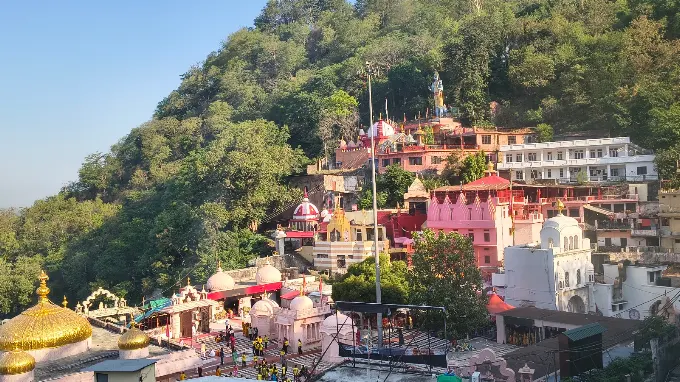
📍 25.70 km away
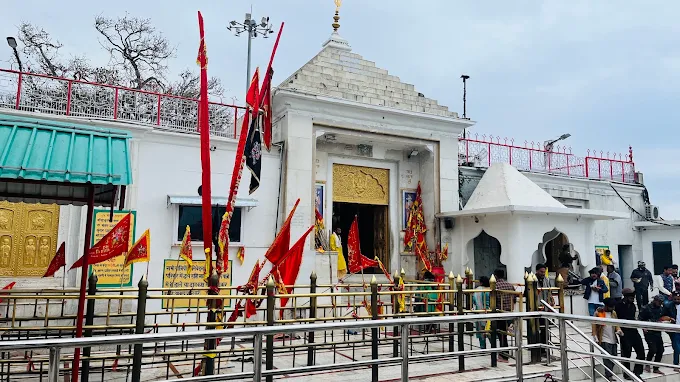
📍 92.01 km away
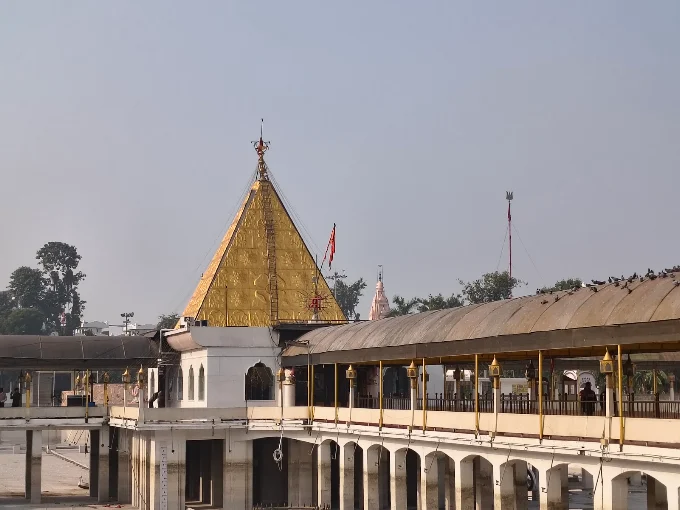
📍 106.51 km away
📍 140.37 km away
📍 161.20 km away
📍 242.03 km away
Stays near Kangra Brajeshwari Devi Temple

📍 Near Kurinji Andavar Temple · 2,434.2 km
stayStarting from ₹2,000 / night
Discover more temples you may be interested in
You may also like these temples