☰
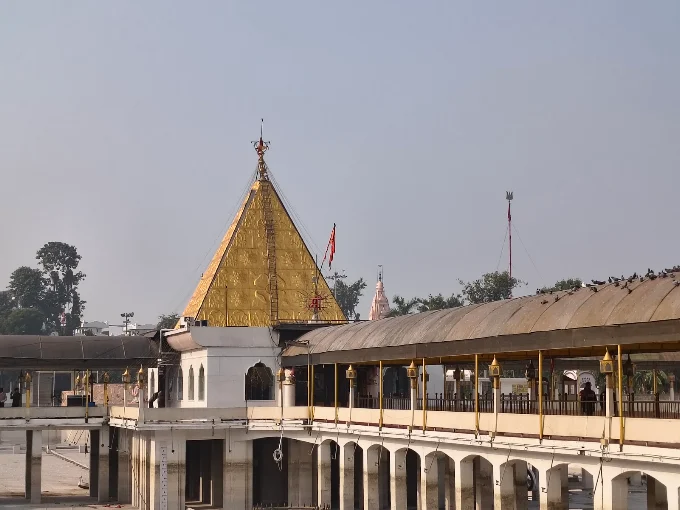
🛕 Lord Devi | 📍 Jalandhar, Jalandhar, Punjab
Jalandhar Devi Tripurmalini Temple, widely revered as Shree Devi Talab Mandir, is one of the celebrated 51 Shakti Peethas described in ancient Hindu texts such as the Peetha Nirnaya and Tantrachudamani. According to sacred lore, it marks the spot where Sati's breast (Stana Peetha) fell as Lord Shiva performed the cosmic Tandava with her body, and Lord Vishnu severed it into sacred fragments with his Sudarshana Chakra. At this holy tirtha, the Supreme Mother is worshipped in the form of Devi Tripurmalini (Tripura Malini), representing cosmic feminine potency and benevolence, while Lord Shiva guards the shrine as Bhishan Bhairava. Devotional traditions state that legendary sages such as Maharishi Vashistha, Vyasa, Manu, and Parashurama performed intense austerities here to honor Adhya Shakti. The temple is also famed for its large, sacred water tank (talab) after which the complex is named, where devotees take cleansing dips believed to purify mind and spirit. Uniquely intertwining high spirituality with India's classical music heritage, the temple grounds host the world's oldest unbroken Indian classical music gathering—the Shree Baba Harballabh Sangeet Sammelan—which was instituted at the tank premises in 1875.
Historical evolution of Devi Talab Mandir merges centuries of traditional folk worship with modern institutional administration. The core historical nucleus of the complex is the ancient water tank (talab), which is documented to be more than 200 years old and served as a gathering center for pilgrims in the Doaba region of Punjab. During medieval and early colonial eras, the area witnessed significant political turbulence, but the sacred spot was continually maintained by local ascetic lineages and householder devotees. In the late 19th century, Saint Baba Harballabh established his spiritual hermitage by this sacred pond; after his passing, the annual Indian classical music festival was founded here in 1875, bringing premier maestros from across the subcontinent to perform in seva to the Goddess. During the 20th century, extensive reconstruction and conservation were initiated under a structured public trust steered by legal and community stalwarts, notably former Sessions Judge Shri Mohan Lal Chopra and later his family and regional patrons. The central sanctum was extensively reconstructed in contemporary North Indian Nagara temple architecture featuring an ornate pyramidal shikhara adorned with gold plating. In subsequent decades, modern additions were established within the expansive complex, including an adjoining historic temple dedicated to Maa Kali, a dedicated Bhairav shrine, and a meticulously crafted walk-through replica of the holy Amarnath cave, transforming the premises into one of Punjab’s primary spiritual centers.
According to enduring temple tradition, worshipping Mata Tripurmalini as the divine mother is believed to bless childless couples with healthy progeny and marital peace.
Devotees traditionally believe that having darshan of the eternal flame (Akhand Jyoti) and praying before the Mother destroys negative energies, malevolent planetary effects, and past karmic burdens.
Taking a sacred sprinkle or ceremonial dip in the historic 200-year-old Talab is revered by pilgrims for its perceived purifying and curative spiritual merits.
Worship of the Shakti alongside Bhishan Bhairava is held in devotional folklore to bestow courage, protect families from accidents and untimely fears, and instill fortitude.
As one of the prime Mahashakti Peethas, meditation in this sanctified environment is traditionally believed to aid spiritual evolution and release from worldly bondage.
Devotional offering of a red embroidered chunri (veil), sacred cosmetics, coconut, and sweets presented to Maa Tripurmalini upon the fulfillment of personal vows.
Special Vedic fire oblations and continuous recitation of the Durga Saptashati performed during the nine nights of Chaitra and Sharad Navratri.
Ritual honoring, feeding, and gifting to young girls revered as living embodiments of the nine forms of Goddess Durga, predominantly conducted on Ashtami and Navami.
All-night or evening devotional musical gatherings and stuti chants organized in gratitude for familial milestones and general auspiciousness.
Historic annual classical musical offering held continuously since 1875 in late December, where prominent classical vocalists and instrumentalists offer their art as direct seva to the deity.
No festivals available.
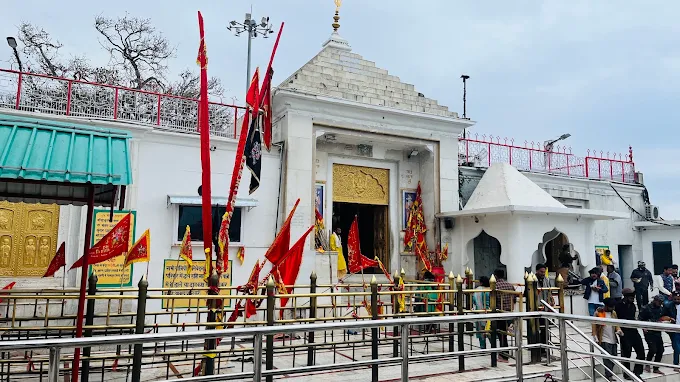
📍 90.68 km away
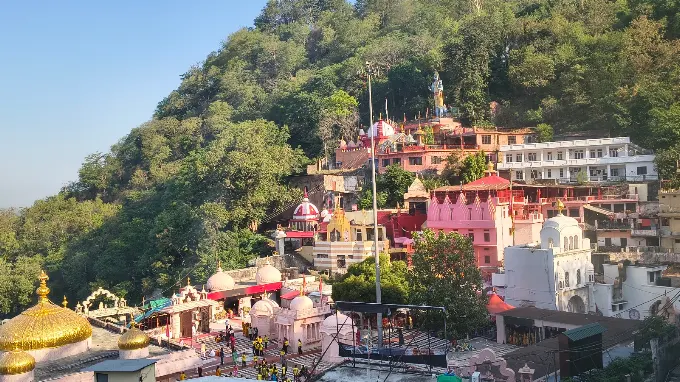
📍 91.82 km away
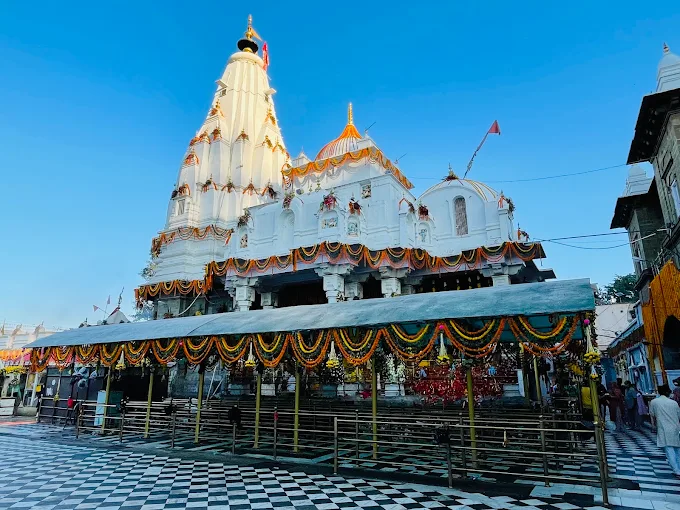
📍 106.51 km away
📍 172.68 km away
📍 193.07 km away
📍 196.90 km away
Stays near Jalandhar Devi Tripurmalini Shakti Peetha

📍 Near Kurinji Andavar Temple · 2,354.8 km
stayStarting from ₹2,000 / night
Discover more temples you may be interested in
You may also like these temples