☰
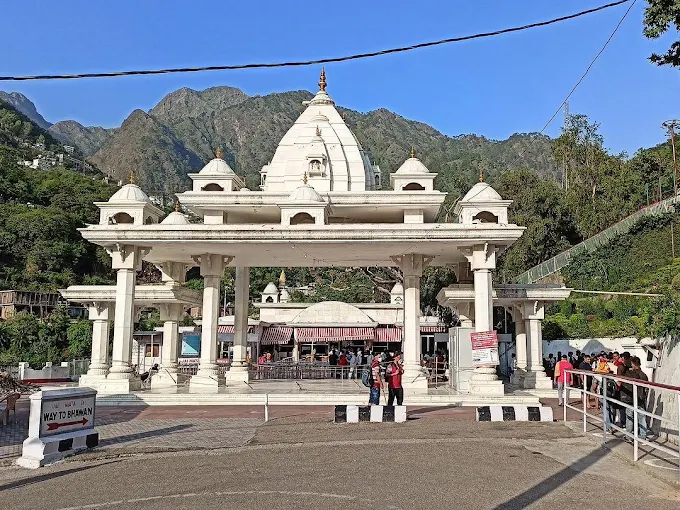
🛕 Lord Devi | 📍 Katra, Reasi, Jammu and Kashmir
Shri Mata Vaishno Devi Temple, situated in the folds of the holy Trikuta Mountains in the Reasi district of Jammu and Kashmir, is one of the most revered and sacred pilgrimage shrines in Sanatana Dharma. Known lovingly as 'Maa Vaishno' and 'Moonh Maangi Muradein Poori Karne Wali Mata' (the Mother who grants all heartfelt prayers), the shrine is venerated as a major Shakti Peetha. Unlike most Hindu temples featuring sculpted anthropomorphic idols, the sanctum sanctorum (Holy Cave / Bhawan) preserves the eternal mother goddess in the form of three natural petrified rock formations known as 'Pindies'. These three self-manifested (Swayambhu) Pindies represent the unified powers of the Supreme Goddess: Maha Saraswati (representing Sattva Guna, knowledge, wisdom, and creative intellect, manifested in whitish stone on the left), Maha Lakshmi (representing Rajas Guna, prosperity, sustenance, and light, manifested in yellowish-red stone in the center), and Maha Kali (representing Tamas Guna, valor, supreme strength, and dissolution of evil and ignorance, manifested in black stone on the right). Devotional philosophy holds that the Goddess Vaishnavi originated from the combined shaktis (energies) of these three divine mothers to establish righteousness (dharma) and protect the cosmos. Pilgrims undertake a rigorous uphill yatra of approximately 12 to 14 kilometres from the base town of Katra, passing through holy stations including Banganga, Charan Paduka, and the historic Ardhkuwari cave before reaching the Holy Bhawan perched at an altitude of approximately 5,200 feet (1,585 metres). A traditional pilgrimage is considered spiritually complete only after paying respects at the Bhairon Ghati temple located above the Bhawan, honoring the divine boon of forgiveness and eternal reverence bestowed upon Bhairon Nath by the Goddess.
The history of Shri Mata Vaishno Devi Temple combines deep scriptural legends, regional folklore, and modern institutional administration. In religious tradition, the origin of the shrine is rooted in ancient epics: Treta Yuga legends narrate that Mata Vaishnavi, born as the daughter of King Ratnakar in southern India, took a vow of celibacy and penance to merge with Lord Rama. Lord Rama visited her during his exile and advised her to establish her hermitage in the Trikuta mountains, promising to unite with her in the form of Kalki at the close of Kali Yuga. The Mahabharata also records Arjuna offering prayers to the Mother Goddess on the advice of Lord Krishna before the Kurukshetra battle. The historical awakening of the shrine in the Kali Yuga is intimately linked to the legend of Pandit Shridhar, an impoverished and devout Brahmin residing in Hansali village near Katra roughly 700 years ago. According to lore, Goddess Vaishnavi appeared as a small girl (Kanya) and instructed Shridhar to hold a grand community feast (Bhandara). A powerful Tantric ascetic named Gorakhnath and his disciple Bhairon Nath attended the feast. Bhairon Nath, seeking to test the girl's mystic nature, demanded forbidden meat and wine, and upon her refusal, pursued her into the mountains. During her flight, the Goddess stopped at Banganga to quench the thirst of Veer Hanuman with an arrow-struck spring, paused at Charan Paduka where her footprints remained embedded, and meditated for nine months inside the Garbhjoon cave at Ardhkuwari. Eventually, entering the Holy Cave at the Bhawan, the Goddess assumed her divine Mahakali form and beheaded Bhairon Nath. As Bhairon pleaded for mercy at his death, she granted him salvation and decreed that no pilgrimage to her cave would be complete without visiting his shrine. Pandit Shridhar later discovered the sacred cave following a vision and commenced regular worship, his descendants serving as hereditary priests for centuries. In recorded history, the temple was managed by local priests and later overseen by the Dharmarth Trust, established by Maharaja Gulab Singh in 1846 during the Dogra rule of Jammu & Kashmir. A pivotal historical milestone occurred in August 1986, when the Jammu & Kashmir Shri Mata Vaishno Devi Shrine Act came into force, transferring complete governance to an autonomous statutory body, the Shri Mata Vaishno Devi Shrine Board (SMVDSB), headed by the Lieutenant Governor of Jammu and Kashmir. The Shrine Board transformed the pilgrim experience by laying all-weather tiled and covered tracks, building water supply and sanitization infrastructure, establishing helipads and battery car tracks, constructing the Bhawan-Bhairon passenger ropeway, and strictly organizing darshan management.
Devotees traditionally revere Mata Vaishno Devi as 'Moonh Maangi Muradein Poori Karne Wali', holding the deep spiritual conviction that sincere prayers offered before the Holy Pindies for marriage, progeny, health, or prosperity are fulfilled by the divine mother.
Because the Holy Pindies embody Maha Saraswati, Maha Lakshmi, and Maha Kali in a single sanctum, the pilgrimage is believed to bestow a balanced harmonization of intellect and spiritual wisdom, material abundance, and inner mental strength against worldly adversities.
Passing through the holy narrow cave of Garbhjoon at Ardhkuwari is traditionally believed to absolve accumulated sins and liberate the soul from entering another earthly womb in rebirth, granting spiritual elevation.
The strenuous uphill trek amidst the crisp air of the Trikuta ranges, undertaken alongside chants of 'Jai Mata Di', fosters communal harmony, mental discipline, perseverance, and freedom from psychological anxiety and stress.
Just as the Goddess granted salvation and forgiveness even to Bhairon Nath upon his repentance, tradition teaches that any devotee seeking genuine repentance is forgiven of past faults and enveloped in maternal protection.
A paid devotional seva introduced by SMVDSB allowing an individual devotee to sit in the Attka enclosure in front of the Holy Cave during the Morning or Evening Aarti to witness the sacred rituals and receive priority darshan (children up to 9 years accompanied are free).
A group seva package officially offered by the Shrine Board allowing a family group of 3 to 4 pilgrims to attend the Attka Aarti in front of the Holy Cave.
A special ritual where hawan and pooja are performed daily in the Yagyashala chanting the names and gotras of up to 5 family members in their absence, and consecrated prashad is mailed to their residential address.
Devotees physically attend the Vedic Hawan and Poojan at the Bhawan Yagyashala accompanied by up to 4 family members (total 5 persons), with rituals conducted exclusively in their name by temple priests.
A premier comprehensive pooja package for 1 adult (and one child under 10) covering darshan during the Aarti inside the Holy Cave, complimentary stay at Katra and Bhawan, complimentary meals, and customized pooja items.
No festivals available.
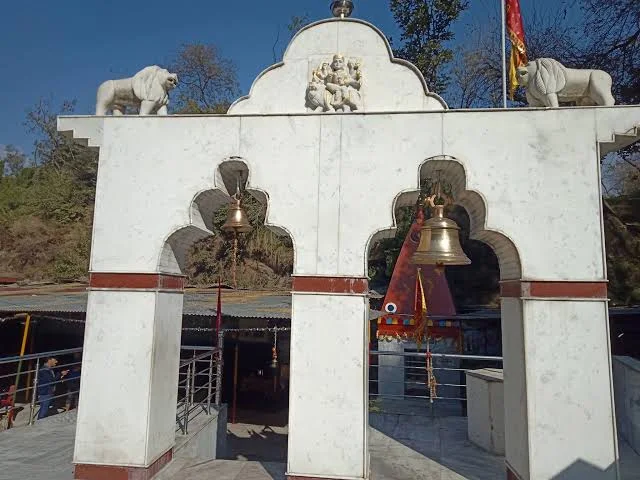
📍 24.29 km away
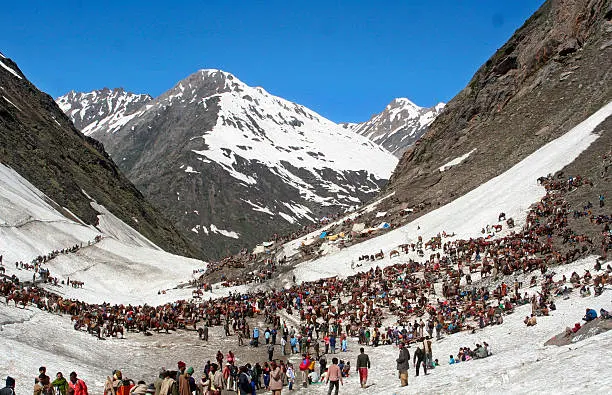
📍 141.42 km away
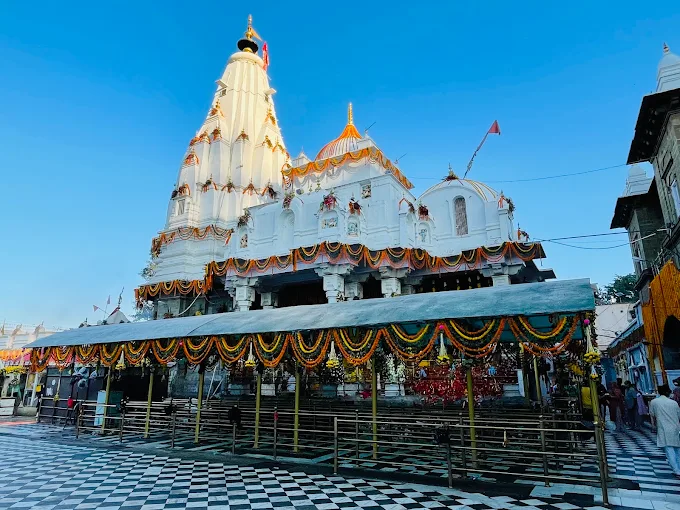
📍 161.20 km away
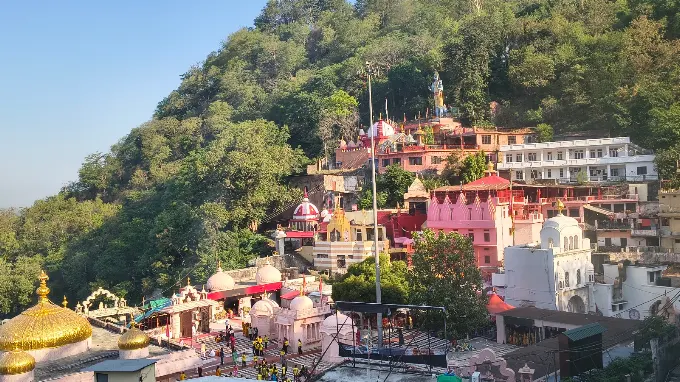
📍 182.05 km away
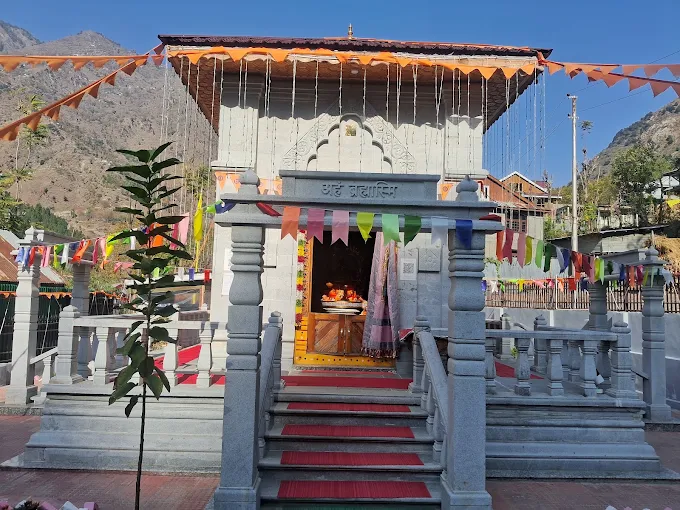
📍 186.39 km away
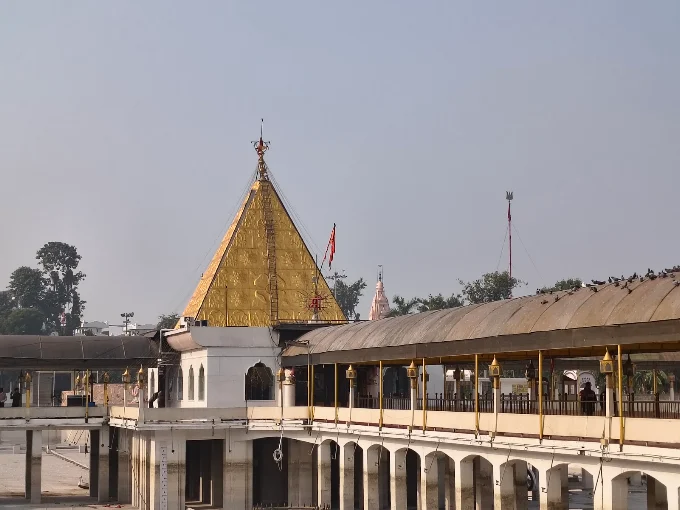
📍 196.90 km away
Stays near Katra Shri Mata Vaishno Devi Temple

📍 Near Kurinji Andavar Temple · 2,547.6 km
stayStarting from ₹2,000 / night
Discover more temples you may be interested in
You may also like these temples