☰
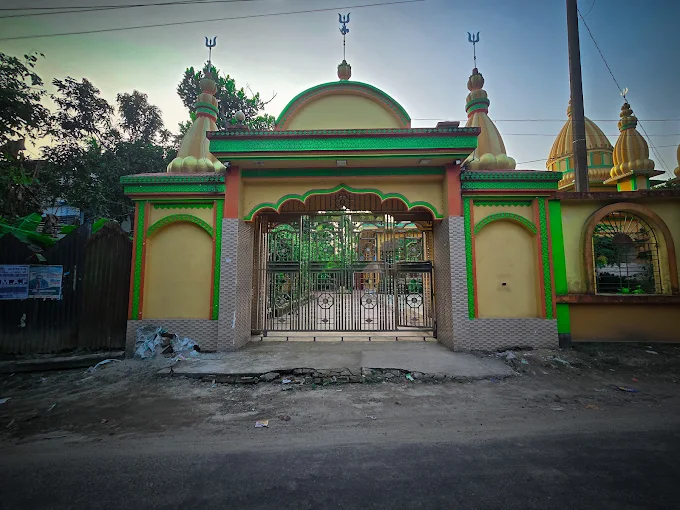
🛕 Lord Devi | 📍 Shikarpur, Barishal, Bangladesh
Shikarpur Sugandha Shakti Peetha is venerated in Shakta tradition as one of the 51 sacred Shakti Peethas distributed across the ancient Indian subcontinent. According to holy texts such as the 'Pithanirnaya Tantra' and 'Annadamangal', this sacred shrine marks the spot where the 'Nasika' (nose) of Goddess Sati descended following the Daksha Yajna immolation and Lord Vishnu's cosmic dismemberment with the Sudarshana Chakra. The presiding deity is enshrined as Goddess Sunanda (the pleasing and fragrant Mother), though locally she is reverently worshipped in the form of Devi Ugratara (Ekajata), a potent manifestation embodying supreme protective energy, discernment, and spiritual sovereignty. In accordance with the classical Shakta mandate pairing every Shakti Peetha with a protective Bhairava, Lord Shiva is worshipped here as 'Tryambaka' (the Three-Eyed Lord), whose principal historical shrine stands nearby in Ponabalia across the river near Jhalokati. Geographically situated on the tranquil banks of the sacred Sugandha (Sondha) River in Shikarpur, the holy shrine is uniquely celebrated in ritual lore: unlike many temples where shadow cast on water is avoided, here the shimmering reflection and shadow of the sacred temple upon the river's pristine waters are considered deeply auspicious. Devotees visit this sacred confluence seeking purification of the sensory mind, heightened intuition, removal of karmic afflictions, and the maternal grace of Adi Parashakti.
The origin of the Sugandha Shakti Peetha is rooted in primordial Puranic mythology detailing the Daksha Yajna, the self-immolation of Sati Devi, and the consequent origin of the Shakti Peethas. Beyond religious lore, recorded regional history reflects the temple's antiquity as a major Shakta sanctuary nestled in the fertile delta of southern Bengal. For centuries, the Barisal region was a prominent crossroads of Tantric practices, blending Shakta and Mahayana/Vajrayana Buddhist traditions, as evidenced by the worship of Goddess Tara (Ugratara) in the sanctum, an iconographic synthesis prominent in Bengal during the Pala and Sena dynasties. While the earliest foundational records of the brick-and-stone temple remain lost to antiquity, medieval Bengali literary master Bharatchandra Ray documented the site and its Tryambaka Bhairava in his 18th-century epic 'Annadamangal', proving its continuous status as a renowned Shakta tirtha. Over subsequent centuries, the temple suffered periodic destruction caused by regional conflicts, political shifts, and catastrophic riverbank erosions typical of the deltaic landscape. Following the loss of historic antique murtis to theft in the 20th century, the present shrine and sanctum were revived and re-consecrated by the local Hindu minority community and benevolent trusts. Today, the temple stands as a testament to historical resilience, featuring traditional regional stone and marble craftsmanship, housing the four-armed deity of Maa Ugratara surrounded by traditional Shaivite and Tantric iconography.
According to Shakta tradition, as the sanctified place where Devi Sati's nose (the seat of breath and sensory perception) fell, worship here is believed to awaken inner perception, subtle intuition, and clear mental discernment.
Devotees revere the presiding form of Maa Ugratara as a fierce protector who neutralizes malicious energies, psychological phobias, and spiritual hindrances.
Pilgrims traditionally believe that praying to Devi Sunanda and performing ablution in the adjacent sacred Sugandha waters aids in recovery from respiratory ailments and promotes physical vitality.
Worship of the divine couple Sunanda and Tryambaka is traditionally sought by householders to resolve marital distress, bless harmony in married life, and ensure prosperity.
The primary annual festival celebrated during the Phalguna Krishna Chaturdashi (Maha Shivaratri) in March, attracting thousands of pilgrims for night-long abhishekams and special prayers for Lord Tryambaka and Goddess Sunanda.
Elaborate nine-day Tantric and Vedic rituals conducted during autumn Navratri featuring Kalasha Sthapana, Chandi recitations, and special Alankaram for the Goddess.
Individual devotional recitations of the Devi Mahatmyam (Sri Durga Saptashati) arranged through temple priests for family welfare, obstacle removal, and spiritual peace.
No festivals available.
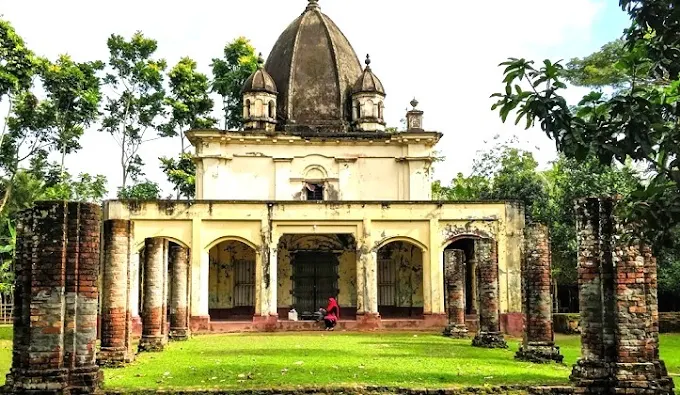
📍 132.07 km away
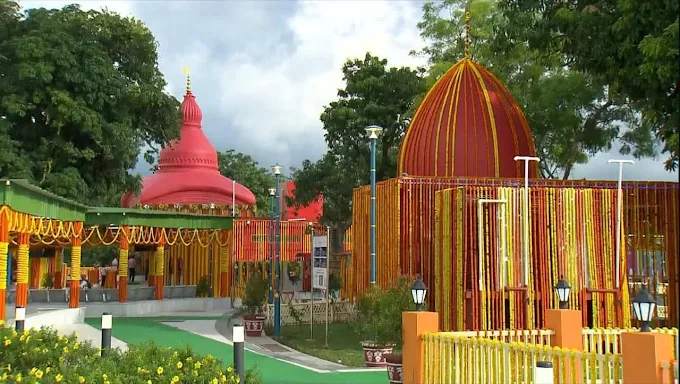
📍 146.69 km away
📍 147.41 km away
📍 199.95 km away
📍 203.73 km away
📍 208.18 km away
Stays near Shikarpur Sugandha Shakti Peetha

📍 Near Kurinji Andavar Temple · 1,951.1 km
stayStarting from ₹2,000 / night
Discover more temples you may be interested in
You may also like these temples