☰
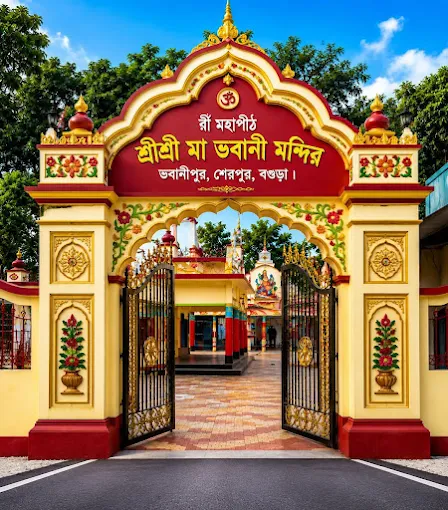
🛕 Lord Devi | 📍 Bhabanipur, Sherpur Upazila, Bogura, Bangladesh
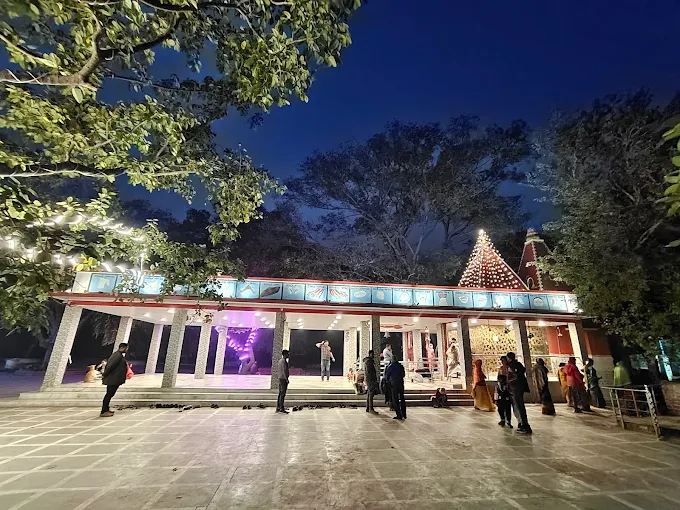
Bhabanipur Aparna Shakti Peetha, traditionally revered as the Karatoya Tat Shakti Peetha, is one of the celebrated 51 sacred Shakta Peethas of the Indian subcontinent. According to Hindu mythology in scriptures such as the Tantra Chudamani and Devi Bhagavata Purana, when Lord Vishnu deployed the Sudarshana Chakra to sever the sacred mortal remains of Goddess Sati carried by an inconsolable Lord Shiva, divine relics of the Goddess fell upon the banks of the ancient Karatoya River. Devotional tradition most prominently identifies the holy relic here as Goddess Sati's left anklet (ornament) or left ribs/ear, consecrating this rural enclave as a primordial sanctuary of Shakta worship.
The presiding Divine Mother is worshipped here as 'Devi Aparna'—the austere and transcendent form of the Supreme Goddess who undertook severe penance without partaking even of fallen leaves (aparna) to attain Lord Shiva. She is protected by her consort Bhairava, manifested here in the diminutive yet fiercely protective aspect of 'Baba Vamana' (or Baba Bamesh). The sanctum grounds feature an ancient complex with shrines dedicated to Lord Shiva, Lord Ganesha, and Lord Krishna, as well as the 'Belbaran Tola' and 'Panchamunda Asana' (a traditional five-skull tantric meditative seat). Adjacent to the temple sits the legendary 'Shakha Pukur' (the sacred conch-bangle pond), deeply venerated for the divine manifestation of the Goddess to an innocent bangle seller. Devotees revere this sacred kshetra as an unbroken beacon of spiritual shelter, inner balance, and maternal grace.
The recorded architectural and institutional history of the Bhabanipur temple complex is deeply intertwined with the royal estate of Natore in medieval and colonial Bengal, while its spiritual genesis spans ancient Puranic antiquity.
Classical Sanskrit Shakta treatises such as the Tantra Chudamani document the site under the hymn: 'Karatoyatate karne vame bamanabhairavah / Aparna devata yatra brahmarupakarodbhava', establishing the presence of Goddess Aparna and Vamana Bhairava along the Karatoya waterway since antiquity. However, recorded material patronage flourished principally during the 18th century under Maharani Bhabani of Natore (1716–1803 CE), a legendary Shakta patron renowned across Bengal and Varanasi for her vast philanthropy, temple endowments, and protection of Sanatana Dharma. Rani Bhabani and her adopted son Maharaja Ramkrishna made substantial land grants (Debottar properties comprising over 500 acres) to sustain the temple rituals, construct brick sanctums, excavate bathing ghats, and develop the Shakha Pukur pond.
A central cultural event preserved in regional folklore describes a humble itinerant conch-bangle trader (Shankhari) passing by the dense forest around the pond. A young maiden with vermilion on her forehead purchased conch bangles from him, directing him to collect payment from the palace treasury basket of Rani Bhabani. When the queen rushed to the site with attendants, the Goddess revealed Her divine hands adorned with the conch bangles rising from the water, firmly establishing the sanctum's regional renown.
Following the 1947 Partition of the Indian subcontinent and subsequent political upheavals, the region became part of East Pakistan and subsequently independent Bangladesh in 1971. During the mid-20th century, extensive temple lands were sequestered under discriminatory property acts (such as the Enemy Property / Vested Property Act), and portions of the historic structure suffered neglect. To safeguard the heritage, local and national devotees formed the 'Bhabanipur Temple Renovation, Development and Management Committee' in 1991 (reconstituted in 2010). Today, the active shrine functions through community donations, drawing pilgrims from Bangladesh, India, and Nepal.
Devotional tradition holds that worshipping at the sacred ground where Maa Sati's anklet or holy relics descended instills deep inner fortitude, grounding unstable minds and granting emotional stability.
Devotees traditionally believe that taking a respectful holy dip in the sacred Shakha Pukur water cleanses bodily impurities and provides spiritual relief from chronic physical suffering.
Linked to the miracle of the conch-bangle merchant, female devotees revere Devi Aparna as the bestowal of long-lasting marital harmony, protection of family lineage, and auspiciousness (Saubhagya).
Worship of Baba Vamana, the fierce Bhairava guardian of the Peetha, is traditionally believed to shield spiritual seekers from negative spiritual influences, fears, and psychic distress.
Devotees tying sacred threads or offering vows (manasik) near Belbaran Tola and the sanctum believe that Devi Aparna unconditionally fulfills pure-hearted prayers.
Sacred ritual immersion in the historic conch-bangle pond, followed by circumambulation and prayer at the water ghats.
Special cooked meal sponsorship offered by individual devotees upon the fulfillment of personal vows, distributed among visiting pilgrims as Mahaprasad.
Grand nine-day autumnal festival worship with sacred pot installation, Chandi Path recitations, and special homas honoring Devi Bhavani.
Historic annual commemorative celebrations attracting thousands of pilgrims for sacred holy dips, devotional fairs, and kirtan assemblies.
Celebrated in the Bengali month of Chaitra or Baishakh (typically March–April), Ram Nabomi is one of the two principal annual festival gatherings identified by the temple committee...
Celebrated during autumn (Ashwin–Kartik), Durgotsav is a major observance at this Shakta Peetha. Special Chandi path, invocation of Devi Aparna, ritual worship, and bhog offerings...
Observed on Kartik Amavasya (new moon night of October–November), Dipannita Shyama Puja features special night worship, Tantric and Vedic offerings, and the lighting of earthen lam...
Observed annually in the Bengali month of Agrahayan (November–December) according to lunar tithi calculations. The temple community offers newly harvested grain to Devi Aparna with...
Maghi Purnima is the largest annual gathering and festival held at Bhabanipur Aparna Shakti Peetha. Devotees congregate before sunrise to take a holy bath in the sacred Shakha Puku...
📍 129.48 km away
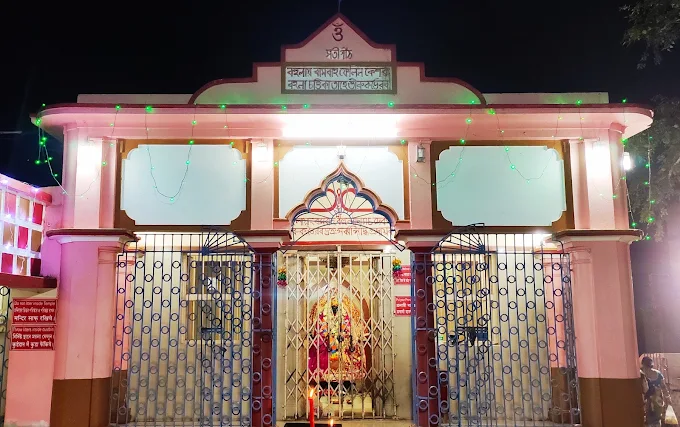
📍 170.53 km away
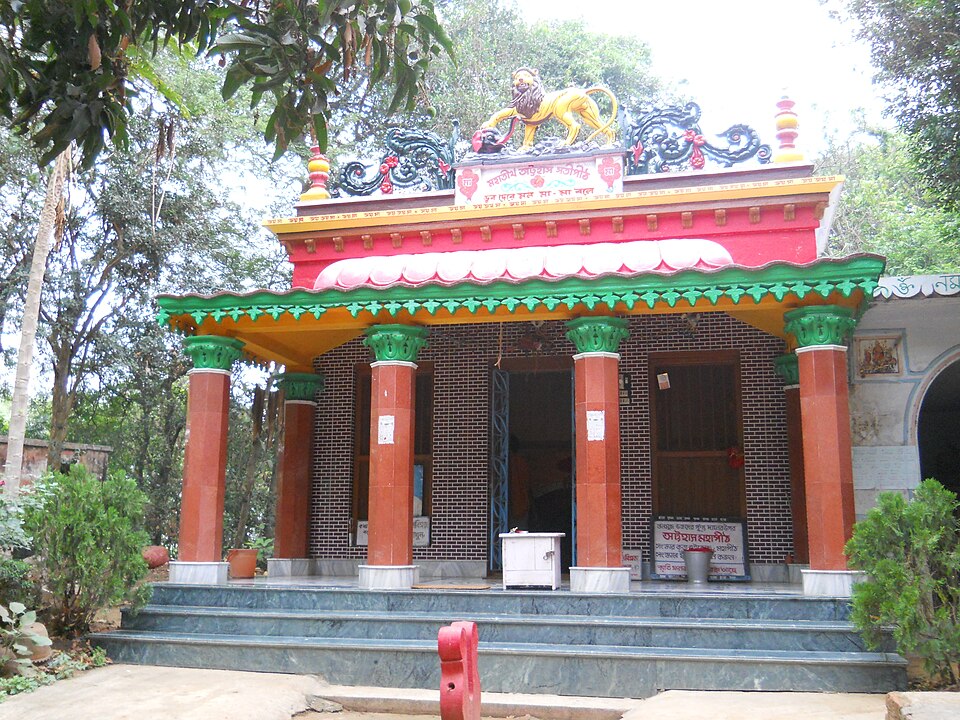
📍 184.16 km away
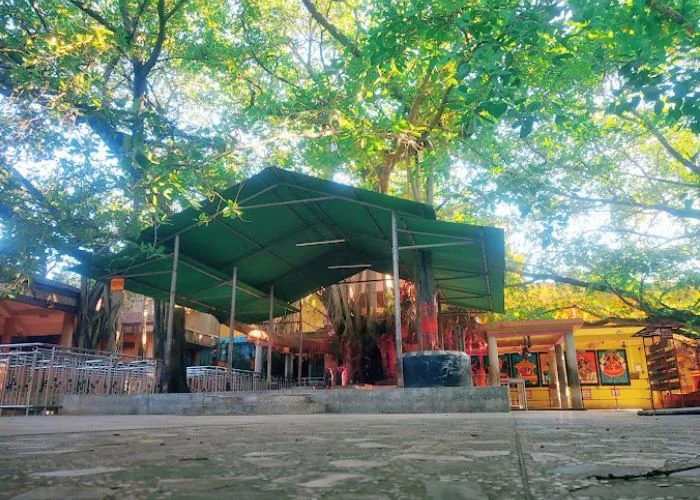
📍 190.21 km away
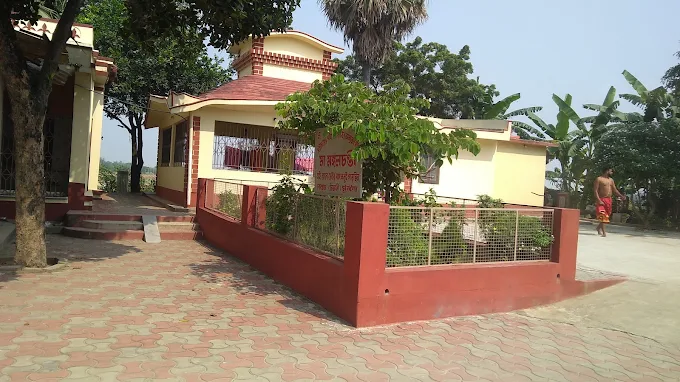
📍 192.80 km away
📍 197.49 km away
Stays near Bhabanipur Aparna Shakti Peetha

📍 Near Kurinji Andavar Temple · 2,032.2 km
stayStarting from ₹2,000 / night
Discover more temples you may be interested in
You may also like these temples