☰
🛕 Lord Devi | 📍 Puri, Puri, Odisha
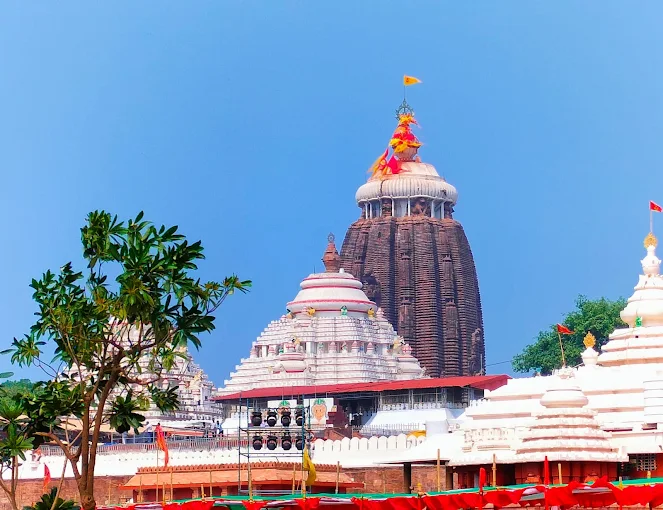
The Maa Vimala (Bimala) Temple, nestled in the south-west corner of the inner courtyard of the iconic Shree Jagannath Temple complex in Puri, Odisha, is considered one of the foremost and ancient Shakti Peethas in Hinduism. In classical Shakta scriptures, particularly the 'Tantrachudamani', the Puri shrine is identified as the 'Pada Pitha' (where the feet of Devi Sati fell following Lord Vishnu's cosmic intervention with the Sudarshana Chakra). While mainstream Vaishnavism regards the Jagannath Temple complex as the epicenter of Jagannath worship, Shakta and Tantric traditions hold that Devi Vimala is the supreme guardian and presiding feminine divinity of the sacred kshetra, with Lord Jagannath Himself revered as her Bhairava. A core theological tradition of Puri dictates that food cooked in the temple kitchen and offered first to Lord Jagannath does not acquire the status of sanctified 'Mahaprasad' until it is subsequently consecrated and re-offered to Goddess Vimala. According to devotional belief, she partakes of the bhoga as the benevolent mother, transforming it into 'Abhada' or Mahaprasad, which is then distributed among devotees. The deity is also venerated as a tantric aspect of Goddess Lakshmi and an incarnation of Durga/Katyayani, establishing a unique confluence between Shakta, Shaiva, and Vaishnava theological philosophies within a single sacred perimeter.
The history of the Vimala Temple spans multiple centuries, weaving together traditional chronicle accounts and architectural scholarship. According to the 'Madala Panji', the traditional temple chronicle of the Jagannath Temple, the shrine of Vimala was initially erected by King Yayati Keshari of the Somavanshi dynasty. While temple folklore associates Yayati Keshari with the 6th century CE, modern historical and archaeological consensus places the Somavanshi ruler Yayati I around the 10th century CE. Architectural evaluations conducted by the Archaeological Survey of India (ASI) suggest that the core vimana and decorative motifs of the Vimala shrine date back to the late 9th to 10th century CE, predating the current structure of the Jagannath main temple, which was constructed in the 12th century by King Anantavarman Chodaganga Deva of the Eastern Ganga dynasty. This architectural evidence supports the tradition that a vibrant Shakta center flourished at Puri well before the expansion of the grand Vaishnava shrine. Built in the classical Kalinga 'Deula' architectural style, the sandstone and laterite edifice comprises four primary components: the Vimana (sanctum sanctorum), Jagamohana (assembly hall), Nata-mandapa (festival dance hall), and Bhoga-mandapa (hall of offerings). The sanctum enshrine a four-armed chlorite stone murti of Goddess Vimala, seated in a yogic posture on a lotus throne, holding an Akshamala (rosary), Kamandalu (water vessel), and Nagapasha, while displaying the Varada mudra. In the 9th century, Adi Shankara visited Puri, establishing the Govardhana Matha and incorporating Goddess Vimala as the guardian deity of the peetha. In 2005, extensive restoration and conservation works were executed on the temple towers by the Archaeological Survey of India (Bhubaneswar Circle) to preserve its structural integrity.
According to ancient belief, prayers offered at Vimala Devi shrine grant spiritual fulfillment and liberation, as she is the divine Mother who sanctifies all offerings of the universe presented through Jagannath.
Revered as the Kshetra Palika (guardian goddess) of Purushottama Kshetra, Devi Vimala is believed to protect true seekers from fear, hostile influences, and spiritual obstacles.
As the Tantric manifestation of Mahalakshmi, devotion to Goddess Vimala is traditionally held to bestow domestic abundance, mental harmony, and good health upon families.
Devotees who offer prayers and circumambulate the shrine and nearby Rohini Kunda believe that sincere sankalpas for personal and spiritual progress are readily answered.
A historic 16-day festival celebrated from Ashwina Krishna Ashtami (Mula Ashtami) to Vijayadashami, during which the Goddess is adorned in 16 esoteric divine forms (Beshas) accompanied by extensive Vedic and Tantric recitations.
An ancient, highly confidential Shakta ritual conducted in the pre-dawn hours on the 7th, 8th, and 9th nights of Durga Puja near the temple precinct in accordance with traditional tantric injunctions.
A ceremonial holy bath of the Goddess performed with consecrated water from one thousand earthen pots on auspicious occasions, invoking universal peace and purification.
Continuous chanting of the Devi Mahatmyam / Durga Saptashati by designated temple servitors and scholars during both the Vasantika and Sharadiya Navaratri periods.
No festivals available.
📍 102.37 km away
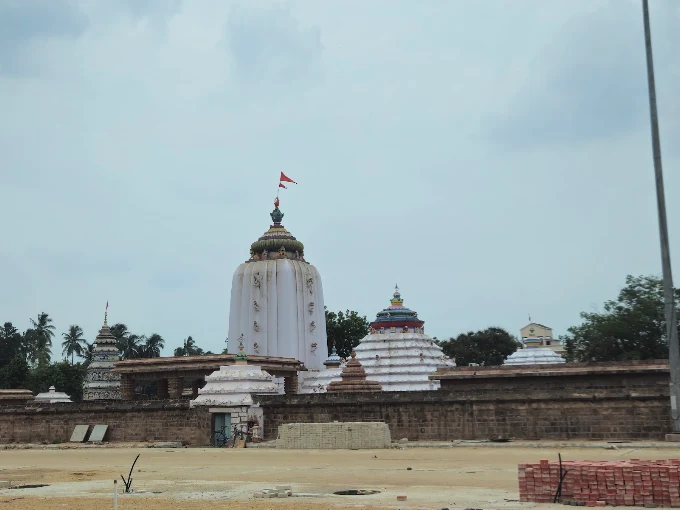
📍 126.66 km away
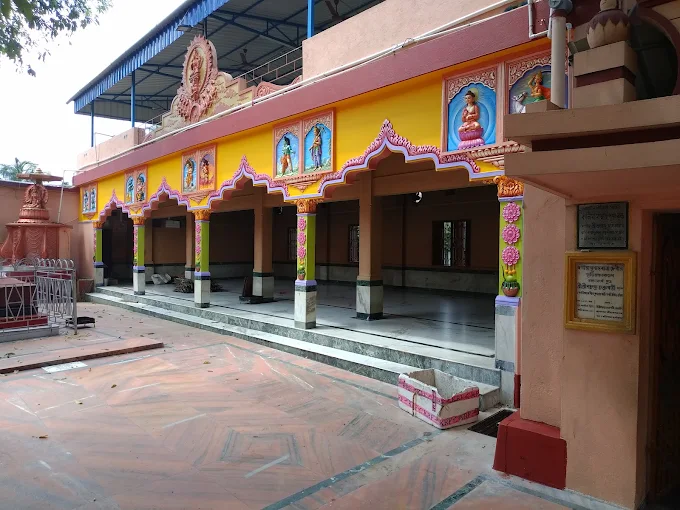
📍 352.47 km away
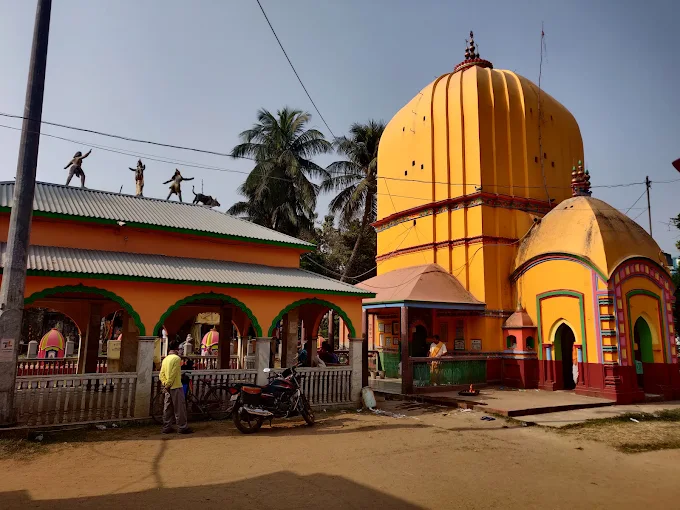
📍 385.96 km away
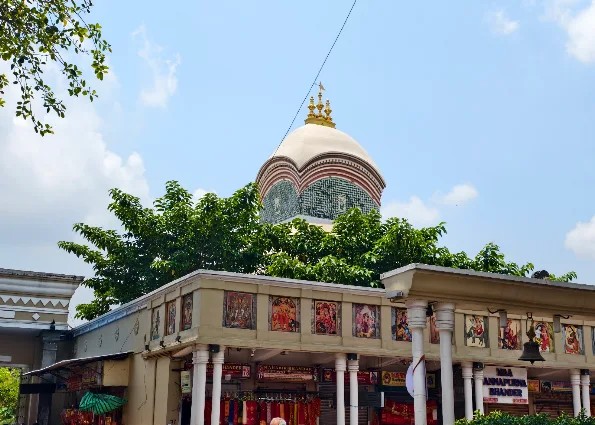
📍 399.63 km away
📍 440.57 km away
Stays near Puri Vimala Devi Shakti Peetha

📍 Near Kurinji Andavar Temple · 1,388.8 km
stayStarting from ₹2,000 / night
Discover more temples you may be interested in
You may also like these temples