☰
🛕 Lord Devi | 📍 Jajpur Town, Jajpur, Odisha
Maa Biraja Temple, situated in the ancient holy city of Jajpur along the sacred Baitarani River in Odisha, is one of the most prominent Maha Shakti Peethas in India. According to sacred Hindu tradition, this sanctum represents the 'Nabhi Peetha', the exact location where the navel of Goddess Sati fell after her mortal remains were severed by Lord Vishnu's Sudarshana Chakra. Revered by Adi Shankaracharya in his Ashtadasha Shakti Peetha Stotram with the sacred chant 'Utkale Tu Viraja', the temple is the focal point of the spiritual realm known as 'Viraja Kshetra' or 'Gadakshetra'.
The presiding deity, Maa Biraja, is enshrined in an exceedingly rare and ancient two-armed (Dvibhuja) Mahishasuramardini form. With her right hand, she thrusts a trident (trishula) into the chest of the demon Mahishasura, while with her left hand, she holds his tail. One of her feet rests firmly upon the buffalo-demon and the other upon her mount, the lion. Remarkably, the crown of the deity depicts a synthesis of Hindu traditions, featuring a carving of Lord Ganesha, a crescent moon, and a Shiva Linga, reflecting a harmonious unity of Shakta, Shaiva, and Ganapatya worship.
A profoundly sacred feature within the temple complex is 'Nabhi Gaya', a holy well considered one of the three foremost pilgrimage spots in India for Pitru Tarpana and Pinda Daan (ancestral memorial rites), alongside Shiro Gaya in Bihar and Pada Gaya in Andhra Pradesh. Devotees believe offering Pinda here ensures spiritual liberation for departed ancestors. Furthermore, Maa Biraja is uniquely honored during Sharadiya Navaratri with a nine-day chariot festival (Ratha Yatra) on her chariot 'Singhadhwaja', making it one of the rare temples in India where a female deity mounts a dedicated annual Rath Yatra.
Historical records and archaeological evidence affirm that Jajpur, anciently known as Viraja-kataka or Guhadasatapattana, has been a vibrant religious and political capital of Odisha since antiquity. Archaeological and art-historical examinations of the presiding Dvibhuja Mahishasuramardini idol date its sculptural origins to the Gupta or post-Gupta period (circa 5th century CE), making it one of the earliest known stone representations of Mahishasuramardini in eastern India.
Between the 8th and 10th centuries CE, the region flourished under the Bhauma-Kara dynasty, who maintained their royal capital at Viraja. During this era, Tantric Buddhism and Vedic Brahmanical traditions flourished symbiotically; traditions record that Buddhist seekers reverenced the deity as Prajnaparamita alongside classical Shakta worship. Later, in the 10th and 11th centuries CE, Somavamsi rulers, notably King Jajati Keshari (Yayati I and Yayati II), chose Jajati Nagara (modern Jajpur) as their seat of power, establishing Vedic sacrifices on the Baitarani River and giving significant patronage to the shrine.
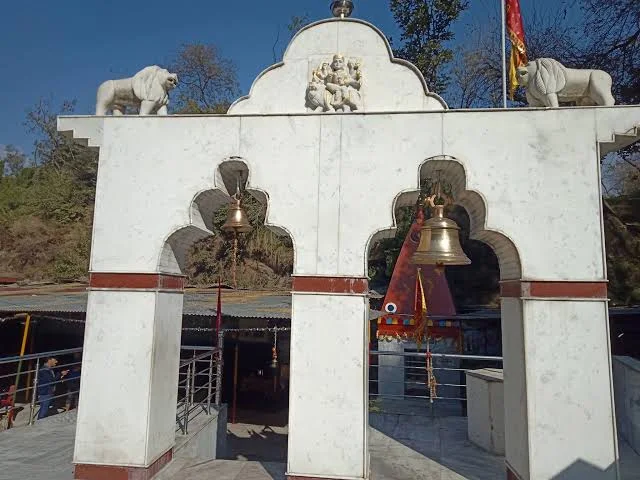
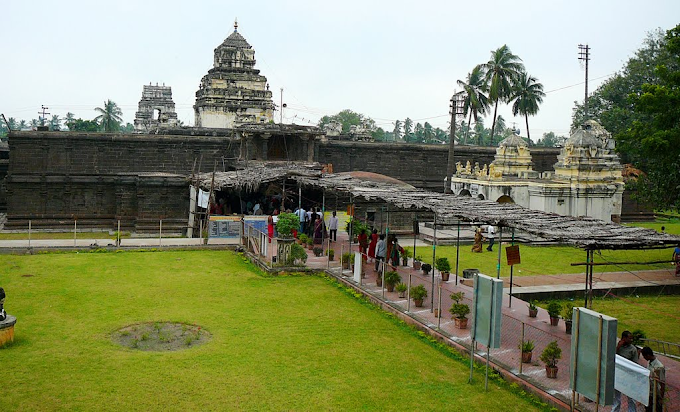
Inscriptional evidence preserved at the site includes an epigraph from the 12th-century Eastern Ganga monarch Anantavarman Chodagangadeva recording the grant of perpetual oil lamps to Goddess Biraja. In 1568 CE, the historic shrine complex suffered severe destruction during the invasion led by the Afghan general Kalapahar under Sulaiman Karrani. The present Pancharatha Kalinga-style stone structure, rising to an approximate height of 70 feet with a rekha vimana and jagamohana, was reconstructed and renovated in the first half of the 19th century (circa 1840 CE) by a prominent local zamindar, Sudarshan Mohapatra. Later, the substantial outer boundary walls and the magnificent Lion Gate (Singhadwara) were constructed through public contributions mobilized by the revered ascetic Saint Bhikari Das.
Traditional beliefs based on the Brahmanda Purana and the Viraja Kshetra Mahatmya hold that Lord Brahma performed the Dashashwamedha Yajna on the river Baitarani, whereupon Goddess Biraja manifested from the sacred Garhapatya sacrificial fire. In addition, the Gayasura legend links this shrine to the demon Gayasura, whose navel rested here when his body was consecrated across the land.
According to Hindu tradition, performing Pinda Daan, Tarpana, and Shradh ceremonies at Nabhi Gaya inside the temple complex propitiates departed ancestors and aids in granting them spiritual liberation.
Devotees worship Maa Biraja in her Mahishasuramardini form with the belief that her divine grace dispels inner fear, protects against negative influences, and removes chronic life hurdles.
The Skanda Purana states that visiting the holy Viraja Kshetra and taking a sacred dip in the Baitarani River washes away Rajasic impurities and accumulated negative karma.
Worshipping the Mother Goddess through sacred archana and offering prayers at the temple is traditionally believed to grant family harmony, good health, and worldly prosperity.
The sacred ancestral rite performed at the Nabhi Gaya well located inside the temple premises, consisting of Vedic sankalpa, pinda offerings, tarpana, and feeding of priests. Remuneration is offered as traditional priest dakshina without a centrally fixed government board fee.
A propitiatory Tantric and Vedic ritual where vermilion (kumkum) is offered to Maa Biraja alongside the chanting of Lalita Sahasranama or Durga Saptashati mantras for peace, prosperity, and removal of obstacles.
Special ceremonial chanting of the Devi Mahatmya (Durga Saptashati) conducted inside the temple's Chandi Mandapa by qualified Vedic and Tantric priests for divine protection and fulfillment of vows.
Devotees can obtain temple-sanctified Mahaprasad (cooked rice, dal, and traditional vegetarian preparations) offered to the deity, made available through local temple trust coupons during lunch hours.
The Simhadhwaja Ratha Yatra is the most distinctive festival celebrated at the Maa Biraja Shakti Peetha. It is recognized as the only nine-day chariot festival held for a presiding...
Sharadiya Durga Puja at Biraja Temple is conducted as a 16-day continuous observance (Shodasha Dinatmika Puja), starting from the dark fortnight's eighth day (Mulastami / Ashwina K...
Observed on the new moon day of the Odia lunar month of Magha, Triveni Amavasya is celebrated as the appearance day (Janmotsav) of Goddess Biraja. According to temple traditions ro...
Baruni Snana takes place on the thirteenth day of the dark fortnight (Krishna Trayodashi) of the month of Chaitra when conjoined with the Shatabhisha (Varuna) nakshatra. Pilgrims f...
Marking the Odia solar new year on the first day of the solar month of Vaisakha, Maha Vishuva Sankranti is observed with special rites at the shrine. Goddess Biraja is adorned in B...
Celebrated on the full moon day of the month of Phalguna, Dola Purnima features the procession of the temple's representative deity on a Vimana (palanquin) to the Dolavedi within t...
Prathamastami is observed on the eighth day of the dark fortnight of Margashirsha month. Commemorating an Odia cultural rite honoring eldest children, Goddess Biraja is dressed in...
📍 126.66 km away
📍 211.94 km away
📍 230.60 km away
📍 260.90 km away
📍 279.37 km away
📍 320.00 km away
Stays near Jajpur Maa Biraja Shakti Peetha

📍 Near Kurinji Andavar Temple · 1,511.0 km
stayStarting from ₹2,000 / night
Discover more temples you may be interested in
You may also like these temples