☰
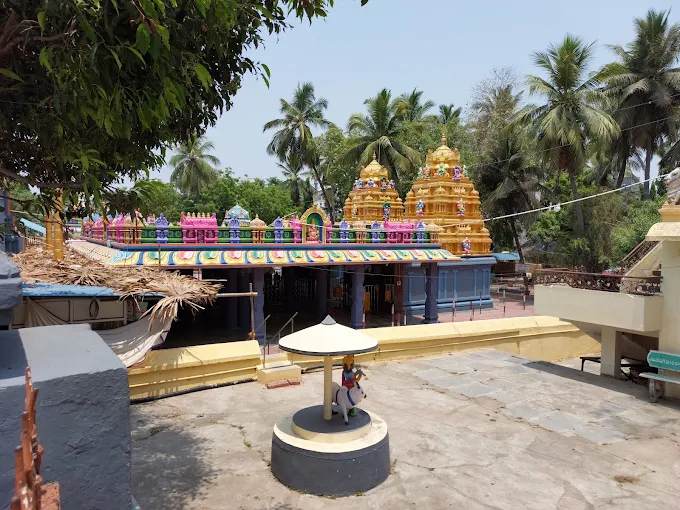
🛕 Lord Devi | 📍 Rajamahendravaram region, East Godavari, Andhra Pradesh
Sarvashail Shakti Peetha, traditionally revered as Godavari Tir Shakti Peetha, is celebrated among the sacred 51 Shakti Peethas in Hindu Shakta tradition. According to the Puranic and Tantric texts such as the 'Peetha Nirnaya Tantra' and 'Tantra Chudamani', this holy site marks the spot where Goddess Sati's left cheek (Vama Gandam) fell after her mortal remains were severed by Lord Vishnu's Sudarshana Chakra following the Daksha Yajna. At this sanctum, the Divine Mother is venerated in the supreme form of Goddess Vishweshwari (also worshipped as Rakini, Vishweshi, or Vishwamatruka—the Mother of the Cosmos), while Lord Shiva protects the kshetra in the form of Bhairava Dandapani (also revered as Vatsanabha, the holder of the divine staff).
Geographically and spiritually, the Shakti Peetha is enshrined within the venerable Sri Uma Kotilingeswara Swamy Temple complex, perched gracefully on the sacred northern banks of the River Godavari at Kotilingala Ghat in Rajamahendravaram (Rajahmundry), Andhra Pradesh. The Godavari River, reverently hailed as the 'Dakshina Ganga' (Ganges of the South), imparts profound sanctity to this pilgrimage site. Devotees believe that visiting this Shakti Peetha establishes an integrated spiritual harmony between Shaivite and Shakta currents of Hinduism, as the motherly benevolence of Vishweshwari is flanked by the infinite lingams of Kotilingeswara. The site attains supreme significance during the Godavari Pushkaram—a massive sacred river congregation occurring once every twelve years—where millions of pilgrims converge to take a holy dip in the Godavari and offer worship at this Shakti Peetha.
The sacred history of the Sarvashail (Godavari Tir) Shakti Peetha encompasses two interwoven dimensions: ancient mythological lore and recorded epigraphical history.
According to mythological accounts preserved in the Sthala Purana and regional folklore, the genesis of the shrine is closely connected with Sage Gautama and the descent of the River Godavari. Puranic legend narrates that Sage Gautama, seeking expiation from the accidental sin of harming a cow (Gohatya dosha) that had wandered into his hermitage granary, performed intense penance invoking Lord Shiva. Pleased with the sage's unyielding devotion, Shiva appeared as Tryambakeshwara and directed the heavenly Ganga to flow through the southern land as the Gautami (Godavari) River. Sage Gautama is traditionally believed to have consecrated a vast multitude of Shiva lingams here on the riverbank—earning the spot the title 'Kotilingala Kshetra'—where the pre-existing divine presence of Sati's fallen left cheek (Goddess Vishweshwari/Rakini) offered celestial protection.
From a historically verifiable perspective, the city of Rajamahendravaram holds profound medieval prominence. Founded in the 11th century CE by the Eastern Chalukya king Rajaraja Narendra (who reigned around 1019–1061 CE), the city became the crucible of Telugu language, culture, and literature, where the Adikavi Nannaya began translating the epic Mahabharata into Telugu. The temple structures at Kotilingala Ghat trace their foundational architectural fabric to the Chalukyan and Kakatiya eras. Historical records and temple inscriptions indicate that the sanctum underwent significant architectural reconstruction and endowments under the Vijayanagara rulers, with ecclesiastical oversight and spiritual patronage provided by the Hampi Virupaksha Peetham. During the British colonial era, local devout patrons preserved the shrine, endowing land parcels to secure daily temple rituals. In the 20th and 21st centuries, the temple complex and its adjacent bathing ghats have undergone extensive structural modernisation and conservation by the Andhra Pradesh Endowments Department, notably prior to successive Godavari Maha Pushkaram events.
Devotees traditionally believe that worshipping Mother Vishweshwari (Rakini) dispels existential anxieties, phobias, and psychological distress, bestowing a feeling of divine maternal protection.
According to sacred lore, taking a ritual bath in the adjacent Godavari River combined with prayers at the Kotilingeswara and Shakti sanctums washes away negative karmic burdens, just as Sage Gautama found expiation.
Offering Kumkumarchana at the feet of Goddess Vishweshwari on auspicious Fridays or Navaratri days is traditionally held to grant marital longevity (Soubhagya) and harmony among family members.
Praying to Lord Dandapani Bhairava alongside the Goddess is believed to destroy chronic life obstacles, court complications, and malevolent planetary energies.
Meditating at this ancient Tantric kshetra on the riverside fosters inner stillness, emotional resilience, and accelerated spiritual awakening for seekers.
Vedic recitation of Sri Rudram and Chamakam accompanied by elaborate abhishekam using panchamritam, milk, honey, and Godavari waters, especially prominent on Mondays, Masa Shivaratri, and Karthika Masam.
Special red vermilion offering performed specifically at the shrine of Goddess Vishweshwari (Rakini) by priests while chanting the Lalitha Sahasranamam, particularly popular on Fridays.
Traditional pilgrim ritual involving a purifying holy bath at Kotilingala Ghat followed by sankalpam (formal spiritual resolution) and offerings performed on the riverbank.
Special month-long observances during the holy month of Karthika involving lighting thousands of earthen oil lamps and presenting sacred Bilva leaves to Kotilingeswara.
Nine-day grand festival observances during Sharad and Chaitra Navaratri featuring daily unique alankarams (traditional adornments) of Goddess Vishweshwari and recitation of the Devi Mahatmyam.
No festivals available.
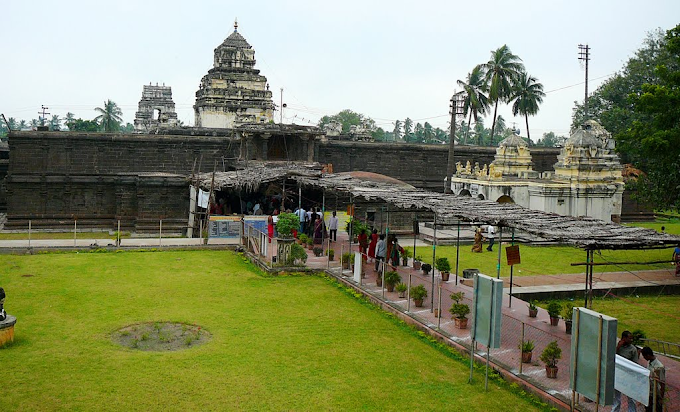
📍 40.43 km away
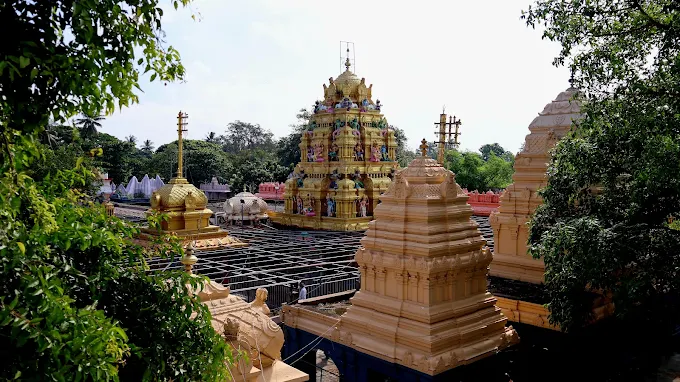
📍 51.53 km away
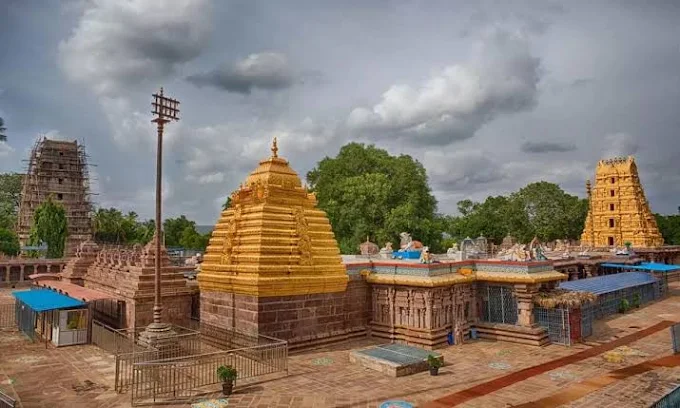
📍 326.75 km away
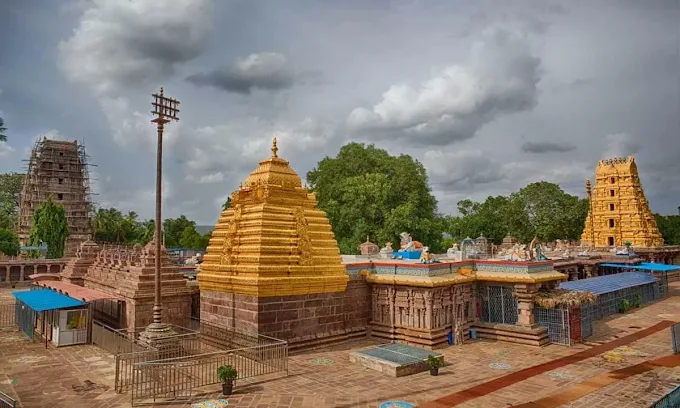
📍 326.76 km away
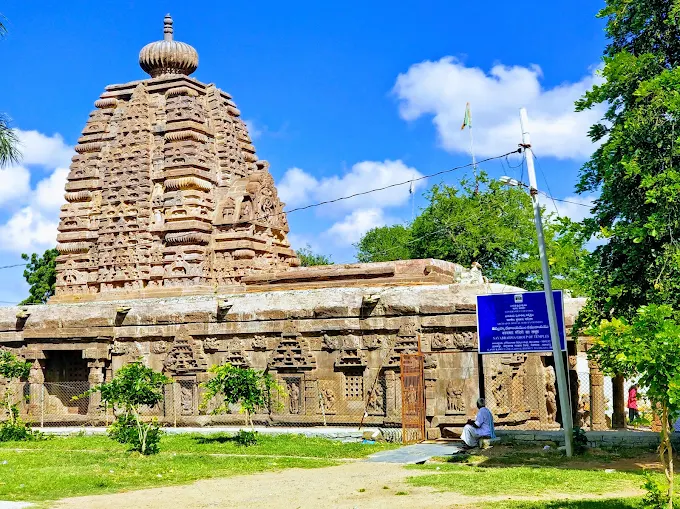
📍 407.95 km away
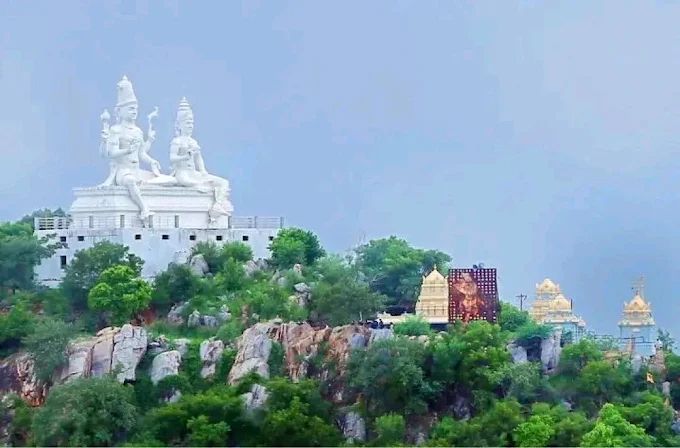
📍 426.25 km away
Stays near Sarvashail (Godavari Tir) Shakti Peetha

📍 Near Kurinji Andavar Temple · 884.5 km
stayStarting from ₹2,000 / night
Discover more temples you may be interested in
You may also like these temples