☰
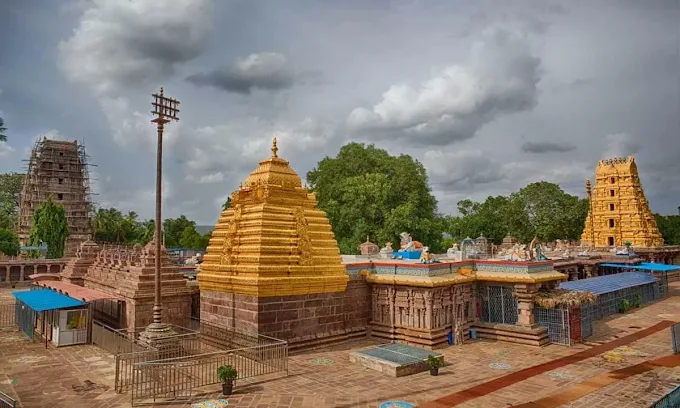
🛕 Lord Devi | 📍 Srisailam, Nandyal, Andhra Pradesh
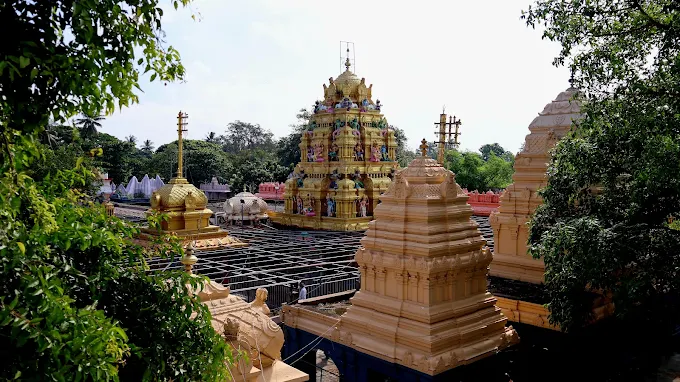
The Sri Bhramaramba Devi Temple at Srisailam, situated atop the Nallamala Hills along the Krishna River in Andhra Pradesh, is universally revered as one of the eighteen Maha Shakti Peethas (traditionally listed as the sixth). According to Puranic tradition, it is the sacred spot where the neck (Greeva) of Goddess Sati fell following the Daksha Yajna immolation. Srisailam holds an extraordinary and unmatched status in Hindu sacred geography as the only pilgrimage shrine where one of the twelve sacred Shiva Jyotirlingas (Sri Mallikarjuna Swamy) and one of the eighteen Maha Shakti Peethas (Sri Bhramaramba Devi) are housed within the very same temple complex, symbolizing the indivisible unity of Shiva and Shakti.
The name 'Bhramaramba' translates to 'Mother of the Bees' (from Sanskrit 'Bhramari' meaning bee and 'Amba' meaning mother). According to sacred lore, Goddess Parvati took the fierce manifestation of a bee—producing innumerable stinging bees—to eliminate the demon Arunasura, who had secured a boon from Lord Brahma that he could never be killed by any two-legged or four-legged beings. In the inner sanctum, Sri Bhramaramba Devi is enshrined as an eight-armed (Ashtabhuja) deity in the posture of vanquishing demoniac forces. Positioned directly in front of the Garbhagriha is a consecrated Sri Chakra (Sri Yantra), traditionally attributed to Jagadguru Adi Shankaracharya during his visit to the shrine. Devotees revere Bhramaramba Devi as the embodiment of supreme cosmic consciousness, maternal benevolence, and unmatched spiritual power.
The history of the Sri Bhramaramba Mallikarjuna temple complex blends ancient scriptural traditions with an exceptionally rich and well-documented architectural record spanning nearly two millennia.
Traditional and Epical Heritage:
Devotional tradition traces the sanctity of the hill—known as Sriparvata or Srigiri—to the Vedic and Puranic ages. The Mahabharata, Ramayana, and Skanda Purana reference Sriparvata as an auspicious abode of Shiva and Shakti. Tradition holds that Lord Rama installed Sahasralingas here, while the Pandavas visited during their period of exile. In the 8th century CE, the Advaita philosopher Adi Shankaracharya stayed at Srisailam, where he is traditionally recorded to have composed his immortal devotional hymns, the 'Sivananda Lahari' and 'Bhramaramba Ashtakam', and installed the sacred Sri Chakra inside the sanctum. During the 12th century, the Veerashaiva mystic saint Akka Mahadevi spent her final contemplative days in nearby caves, attaining union with Chennamallikarjuna.
Documented Epigraphical and Architectural History:
1. Early Dynasties: The earliest epigraphical mention of the holy hill is traced to the 1st–2nd century CE Nasik inscription of Satavahana king Vasishthiputra Pulumavi. Subsequent patronage came from the Ikshvakus, Vishnukundins, and Pallavas.
2. Kakatiya Dynasty: In the 13th and early 14th centuries, the Kakatiya rulers, notably Emperor Prataparudra and the valiant Queen Rudrama Devi, were ardent devotees who made extensive endowments of lands, golden ornaments, and temple structures.
3. Reddy Dynasty: In the 14th century, Prolaya Vema Reddy built the stone flight of steps leading from the plateau down to Pathala Ganga on the Krishna River, while Anavema Reddy constructed the historic Veera Siromandapam.
4. Vijayanagara Empire: Srisailam experienced immense architectural patronage during this era. Harihara II built the Mukhamandapa and the southern gopuram in the late 14th century. In 1516 CE, following his victory over the Gajapatis of Odisha, Emperor Sri Krishnadevaraya personally visited Srisailam, commissioning the lofty Eastern Rajagopuram and the broad pillared colonnades (Salumandapas) flanking the prakaram.
5. Maratha Period: In 1677 CE, the Maratha ruler Chhatrapati Shivaji Maharaj visited Srisailam, took darshan of Bhramaramba Devi and Mallikarjuna, performed penance, and financed the construction of the northern temple tower (known as Shivaji Gopuram) and pilgrim rest-houses.
According to Shakta tradition, worshiping Bhramaramba Devi—the vanquisher of the demon Arunasura—bestows powerful protection against psychic disturbances, malefic planetary influences, and unyielding obstacles.
Devotees, particularly married women, offer Kumkumarchana at the feet of Bhramaramba Devi seeking long married life, the well-being of their spouse, and harmonious domestic relationships.
Belief holds that having darshan of both a Jyotirlinga and a Maha Shakti Peetha at the sacred site of Srisailam purifies deep-rooted sins, negating adverse prarabdha karma.
Propitiating the sacred Sri Chakra installed before Goddess Bhramaramba is believed to invoke the grace of Mahalakshmi, conferring material stability, business progress, and offspring to childless couples.
Scriptures such as the Skanda Purana affirm that meditating upon the Divine Mother at Sriparvata accelerates Kundalini awakening and leads genuine spiritual seekers toward final liberation.
Devotees perform sacred Kumkuma archana to Goddess Bhramaramba chanting Lalitha Sahasranama to invoke marital welfare, health, and family prosperity.
A major Vedic sacrificial fire ritual invoking Goddess Chandi/Bhramaramba conducted inside the temple premises for eradicating severe negative afflictions and attaining prosperity.
An esoteric Shakta worship of the consecrated Sri Chakra enclosure in nine progressive stages according to classical Agamic procedures.
A special ritual in which the deity Bhramaramba Devi is worshiped with golden flowers along with sacred mantra invocations.
An extensive ritual involving one hundred thousand recitations and kumkum offerings conducted on auspicious Pournami (full moon) and festival days.
Chanting of the one thousand holy names of the Divine Mother at the Prakara Mandapam for peace, spiritual progress, and removal of distress.
No festivals available.
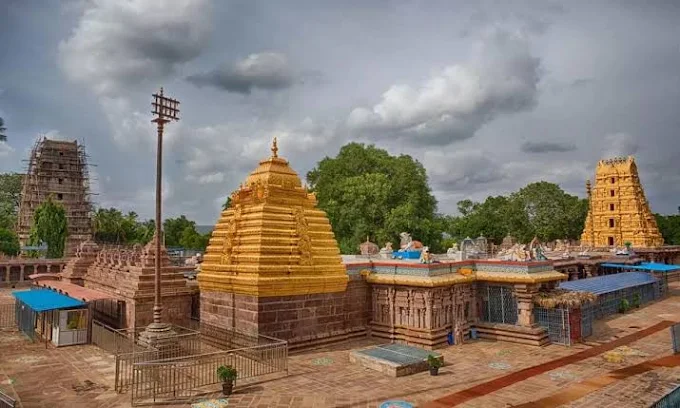
📍 0.00 km away
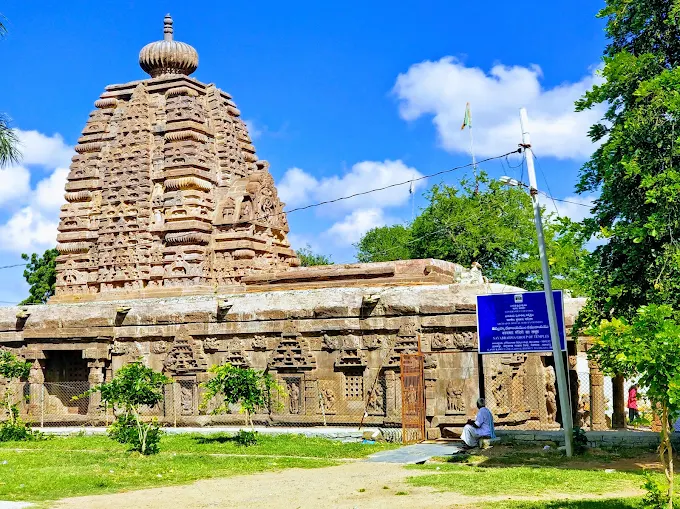
📍 81.33 km away
📍 273.45 km away
📍 326.76 km away
📍 332.30 km away
📍 350.11 km away
Stays near Srisailam Bhramaramba Devi Shakti Peetha

📍 Near Kurinji Andavar Temple · 665.7 km
stayStarting from ₹2,000 / night
Discover more temples you may be interested in
You may also like these temples