☰
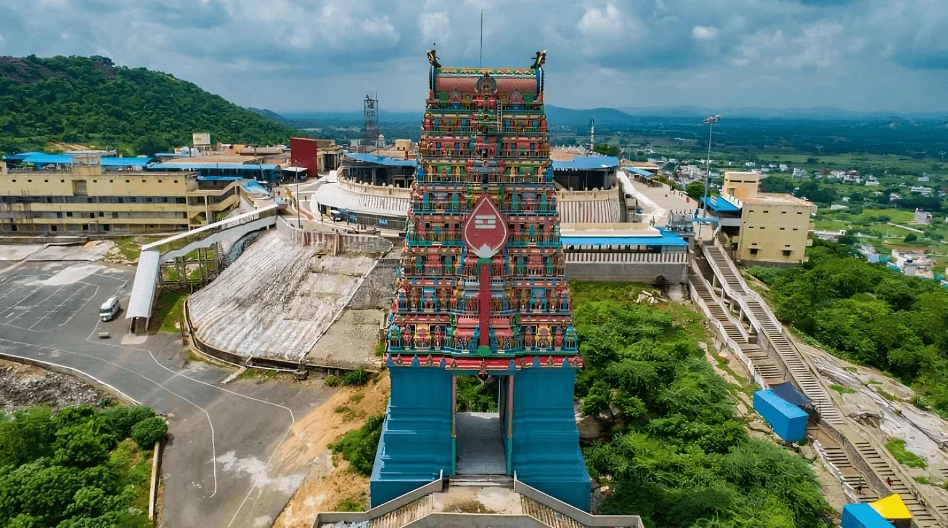
🛕 Lord Murugan | 📍 Tiruttani, Tiruvarur, Tamil Nadu
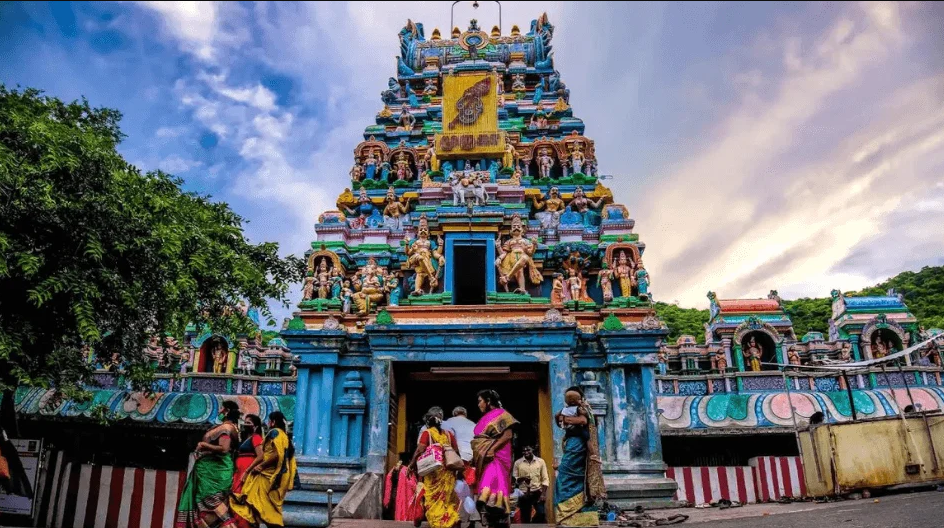
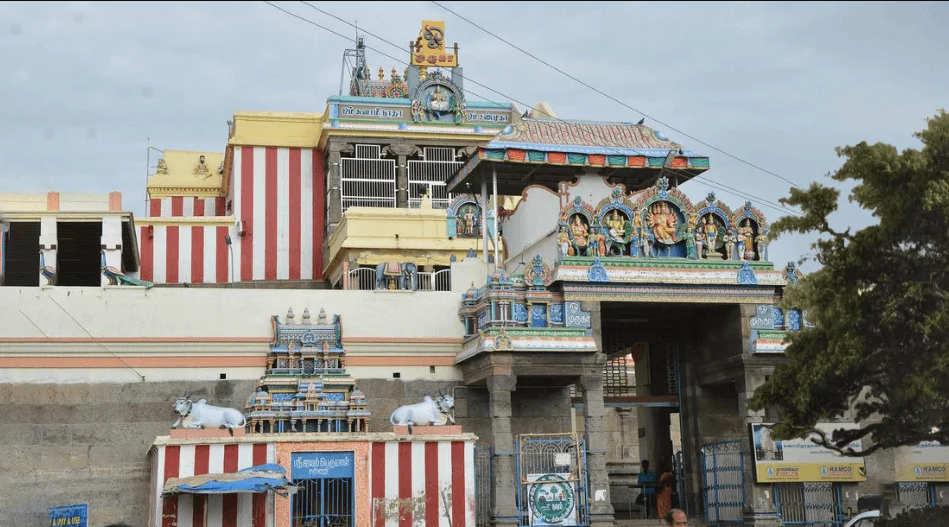
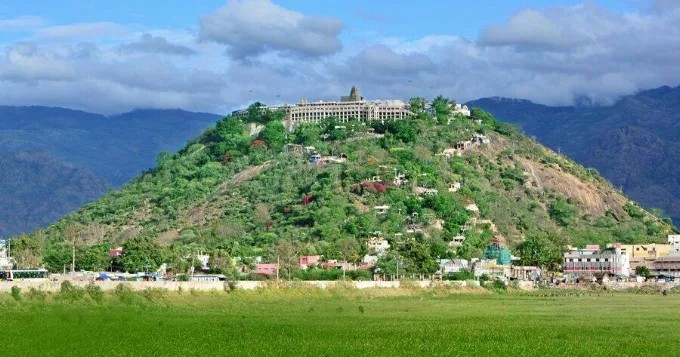
Arulmigu Subramanya Swamy Temple at Thiruthani is the fifth of the sacred Arupadai Veedu (Six Holy Abodes of Lord Murugan), venerated in classical Tamil traditions under the Sangam category of 'Kunruthoradal' (the Lord who dwells on hills). Perched atop the Thanigaimalai (Tiruttani hill) roughly 700 feet above sea level, the temple is accessed via a flight of 365 stone steps, which traditionally symbolize the 365 days of the solar year, signifying that every day is dedicated to the divine. Thiruthani holds singular theological importance as the 'Shanthi Sthalam' (abode of tranquility). According to scriptural tradition, it is here that Lord Murugan rested and cooled his righteous fury ('sinam thanintharulal') after annihilating the demon Surapadman and his forces at Tiruchendur. Furthermore, this sacred hill is celebrated as the site where Murugan courted and wed Goddess Valli (after divine tests at nearby Vallimalai), harmonizing Iccha Shakti (divine desire) alongside his consort Devayanai (Kriya Shakti), with the Lord embodying Jnana Shakti (supreme wisdom). The temple's iconography is distinct from most Murugan shrines: the presiding deity holds the Vajra Vel (thunderbolt spear) gifted by King Indra rather than the customary Vel, and his chest features a subtle hollow mark believed to have been caused by the battle discus hurled by demon Tarakasura. Additionally, the divine mount installed in front of the sanctum is the celestial white elephant Airavata, facing east toward Indra's realm, rather than the customary peacock. Thiruthani has been glorified by saint-poets across eras, including Nakkeerar in 'Tirumurugatruppadai', Saint Arunagirinathar in 'Tiruppugazh', Ramalinga Swamigal (Vallalar), and classical Carnatic composer Muthuswami Dikshitar, who received the Lord's grace here and composed his maiden kriti.
The history of Thiruthani Murugan Temple combines ancient epigraphical records with rich literary and devotional traditions. Historically, inscriptions discovered within the Tiruttani region and on the structural basements of nearby early temples (such as the Virattaneswara temple) confirm that this region was an active administrative and religious center under the late Pallava dynasty in the 9th and 10th centuries CE. Notable stone epigraphs reference the reign of Pallava King Aparajitavarman (circa 9th century CE) and local feudatory chieftains such as Nambi Appi, who commissioned stone sanctums and made endowments of agricultural land. During the medieval period, the region was governed as part of 'Kunravattana-kottam' in Jayamkonda Cholamandalam under the imperial Cholas. Inscriptions from the reigns of Rajaraja Chola I, Rajendra Chola I, and Kulottunga Chola record perpetual endowments for oil lamps, priestly services, and temple maintenance. Following the Cholas, the temple received sustained royal patronage and architectural renovations under the Later Pandyas, Vijayanagara monarchs, and local rulers of the Karvetinagar Samasthanam, who erected the monumental gopurams, mandapams, and stepped approaches. In religious and legendary lore, Thiruthani is chronicled in the Sangam-era 'Tirumurugatruppadai' by Nakkeerar and elaborated extensively in the 18th-century 'Thanigai Puranam' composed by Kachiyappa Munivar. Devotional lore holds that Lord Rama worshipped here after the Lanka war to attain spiritual peace, and the Pandava warrior Arjuna prayed here during his southern teertha yatra. Today, the shrine is protected, maintained, and administered by the Hindu Religious and Charitable Endowments (HR&CE) Department of the Government of Tamil Nadu.
As the sacred site where Lord Murugan's battlefield anger subsided into blissful tranquility, traditional belief holds that meditating and worshipping here cures internal anxiety, wrath, and psychological distress, granting profound peace of mind.
Because Thiruthani is celebrated as the divine wedding site of Lord Murugan and Valliammai, devotees facing delayed marriages or matrimonial friction traditionally pray here and sponsor Thirukalyana Utsavam to seek marital harmony.
In Hindu astrology, Lord Murugan is the ruling deity of the planet Mars (Angarakan). Worshipping at Thiruthani, especially on Tuesdays with panchamritha abhishekam, is traditionally believed to mitigate the negative influences of Kuja Dosha.
According to temple lore, Lord Indra and the celestial devas had their deep-seated terror of asuric oppression permanently removed at this hill, leading devotees to believe sincere prayers here dissolve unwarranted fears and adverse obstacles.
Associated with granting sacred Tamil knowledge to Sage Agastya and musical inspiration to Muthuswami Dikshitar, devotees believe worshipping the Lord holding the Vajra Vel grants sharp intellect, memory power, and artistic inspiration.
Elaborate ritual bath performed on the moolavar using panchamritham (honey, jaggery, fruits, ghee, and milk), followed by special floral adornment and direct darshan.
Ceremonial re-enactment of the celestial wedding of Lord Murugan with Goddesses Valli and Devayanai conducted inside the temple mandapam.
Evening ritual where the processional deity is placed upon the illuminated Golden Chariot and taken around the inner prakaram accompanied by temple musical instruments.
Special full-body sandalwood paste adornment applied to the presiding deity using pure sandal ground on the sacred stone gifted by Indra.
Chanting of the 1,008 divine names of Lord Subramanya with flower offerings by the temple priests in the name and nakshatra of the devotee.
A major 10-day annual Brahmotsavam celebrated during the Tamil month of Masi (February–March). The festival features daily processions of the deity on different vahanas (mounts), t...
A 10-day Brahmotsavam observed in the Tamil month of Chithirai (April–May) dedicated to Goddess Deivanai. It features daily sacred processions, yagasala poojas, the temple chariot...
The largest annual festival at Thiruthani Murugan Temple, spanning three days (Bharani Utsavam, Krithigai, and the final Theppam day) during the Krittika star of the Tamil month of...
A six-day festival celebrated in the Tamil month of Aippasi. A distinct ritual tradition at Thiruthani is that the dramatic enactment of 'Soorasamharam' (the slaying of Surapadman)...
An annual temple festival observed on New Year's Eve and New Year's Day. Devotees climb the 365 stone steps leading to the hilltop temple—each step signifying a single day of the s...
Celebrated on the day of the Poosam star in the Tamil month of Thai. Thousands of devotees undertake pilgrimages carrying milk pots (Paal Kudam) and ornate Kavadis up the 365 steps...
📍 29.02 km away

📍 37.02 km away
📍 37.59 km away

📍 38.00 km away
📍 38.40 km away
📍 38.82 km away
Stays near Thiruthani Murugan Temple

📍 Near Kurinji Andavar Temple · 399.1 km
stayStarting from ₹2,000 / night
Discover more temples you may be interested in
You may also like these temples