☰
🛕 Lord Murugan | 📍 Pazhamudircholai, Madurai, Tamil Nadu
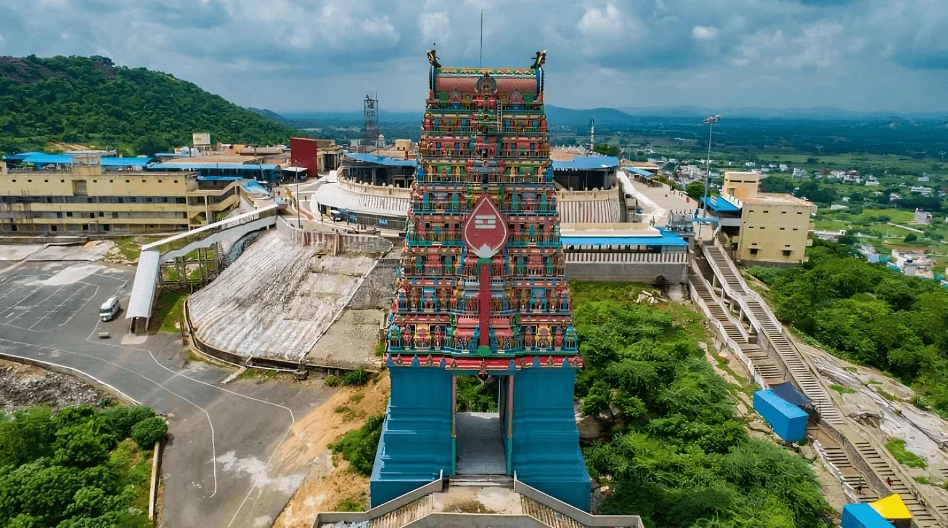
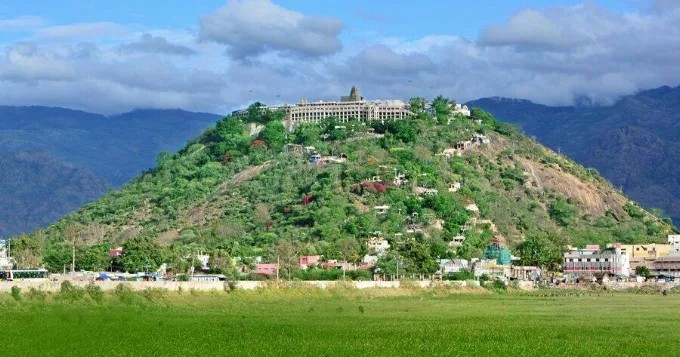
Pazhamudircholai Arulmigu Solaimalai Murugan Temple holds immense spiritual significance as the sixth and concluding sacred abode among the revered 'Arupadai Veedu' (the six military encampments/abodes of Lord Murugan) celebrated in classical Tamil literature. Perched on the lush, verdant Alagar Hills (Solaimalai) roughly 25 kilometres north of Madurai, it is set amidst dense deciduous forest reserves. A distinctive theological feature of Pazhamudircholai is that Lord Murugan is consecrated in the sanctum sanctorum alongside both of His divine consorts, Goddess Valli and Goddess Deivanai; among the six abodes, this represents the supreme state of spiritual completion, divine grace, and harmony between Iccha Shakti (divine will/longing represented by Valli) and Kriya Shakti (divine action represented by Deivanai), guided by Jnana Shakti (divine wisdom represented by the Lord's Vel). Close to the temple stands the sacred Naaval tree (black plum/rose apple tree), associated with the timeless divine play where Murugan appeared as a shepherd boy to enlighten the venerated Tamil poetess Avvaiyar. Furthermore, the temple is sanctified by the perennial natural freshwater spring known as 'Noopura Gangai' (Silambar river), believed to originate from the anklet of Lord Vishnu, symbolizing the harmonious convergence of Shaivism and Vaishnavism on the sacred Alagar hills.
The antiquity of Pazhamudircholai is deeply anchored in Tamil Sangam literature. The site is celebrated by the ancient poet Nakkirar in 'Tirumurukarruppatai' (part of the Ten Idylls - Pattupattu), where it is hailed as the crowning sixth abode of Murugan ('Pazhamutircolai'). Classical references are also documented in the epic 'Silappadikaram', which mentions the sacred hills of Alagar Malai (historically known as Vrishabhadri, Idabagiri, or Solaimalai) on the northern approaches to Madurai. The adjoining hills contain natural caverns with Tamil-Brahmi inscriptions and stone beds of Jain ascetics dating back to the 3rd to 2nd centuries BCE, attesting to the age-old cultural sanctity of the range.
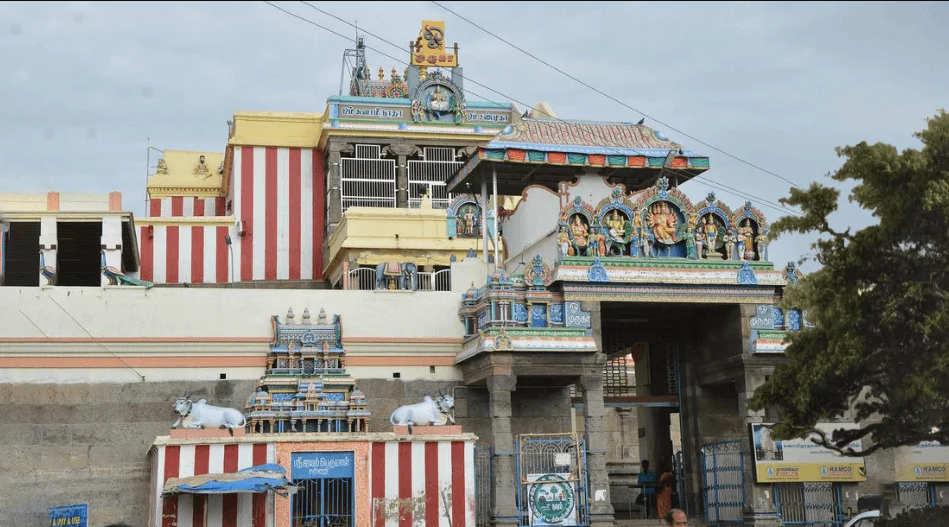
Traditionally, the shrine of Murugan atop the hill originated as an open-air sacred grove where the Vel (divine lance) was worshipped beneath the shade of the sacred Naaval tree. Devotional tradition preserves the legend of Murugan appearing before Avvaiyar as a youthful cowherd to teach that human knowledge is merely a fistful of sand ('Katrathu Kaimman Alavu') compared to the vastness of the universe. Historically, the architectural expansion of the temple complex evolved alongside the flourishing of the Kallazhagar Temple located at the foothill, drawing patronage from the Early Pandyas, the Later Pandyas, Vijayanagara rulers, and the Nayakas of Madurai. During the Nayaka era in the 16th and 17th centuries, administrative pathways and stone structures were developed. In modern times, the temple infrastructure was significantly developed under the administration of the Hindu Religious and Charitable Endowments (HR&CE) Department, Government of Tamil Nadu, featuring a three-tiered Rajagopuram, sculpted pillared corridors, and dedicated shrines for Vithaga Vinayagar and Aathi Vel.
As this is the unique Arupadai Veedu where Lord Murugan presides together with both His consorts, Valli and Deivanai, devotees traditionally pray here to overcome delays in matrimony and foster mutual understanding in family life.
Commemorating the sacred episode where Lord Murugan dispelled the pride of poetess Avvaiyar through divine dialogue, students and seekers seek blessings here for academic clarity, creative excellence, and humble wisdom.
Taking a sacred bath in the perennial herbal mineral spring of Noopura Gangai (Silambar River) on the hill is traditionally believed to cleanse sins, refresh the vitality of the physical body, and alleviate ailments.
Praying to the sanctified Aathi Vel enshrined in the temple precincts is traditionally believed to dissolve chronic obstacles, dispel malefic planetary effects, and grant inner fortitude against adversities.
A magnificent evening seva conducted daily around 19:00 wherein the utsava moorthy of Lord Murugan is taken in procession on an intricately crafted golden car pulled by participating devotees.
Special multi-priest archana conducted on auspicious days like Krithigai and Sashti with six lamps and consecrated offerings honoring the six faces of Shanmuga.
Devotional ablution of the deity using the renowned hill-style panchamirtham (mix of five ingredients including hill bananas, honey, and ghee) and fresh cow milk.
A traditional thanksgiving offering where devotees weigh themselves or their children against coins, jaggery, sugar, or fruit to fulfill sacred vows.
Panguni Uthiram falls in the Tamil month of Panguni (March–April) on the day the Uthiram nakshatra coincides with the full moon. Regarded as an auspicious day of celestial unions,...
Celebrated in the Tamil month of Vaikasi (May–June), Vaikasi Visakam marks the appearance/birth star of Lord Murugan. The temple conducts special yagams, extensive milk abhishekams...
Observed during the Tamil month of Aadi (July–August), Aadi Krithigai is dedicated to the Krithika nakshatra, sacred to Lord Murugan. Devotees offer floral kavadis and milk pots, p...
An annual temple-specific sacred bath and worship festival celebrated in the Tamil month of Aavani (August–September) on the Pooram nakshatra. The sanctum deities Lord Murugan, Val...
A major consecration ceremony conducted at the Arulmigu Solaimalai Murugan Temple after a period of 12 years following comprehensive restoration and renovation works. Supervised by...
Skanda Sashti is celebrated with great reverence at Pazhamudircholai, the sixth abode (Arupadai Veedu) of Lord Murugan. Observed during the Tamil month of Aipasi (October–November)...
Observed during the Tamil month of Karthigai (November–December), this festival honours Lord Murugan and Lord Shiva. Special abhishekams and deeparadhana are performed throughout t...
Thai Poosam is one of the principal festivals celebrated at Pazhamudircholai during the Tamil month of Thai (January–February). Devotees undertake pilgrimages to the forested Solai...
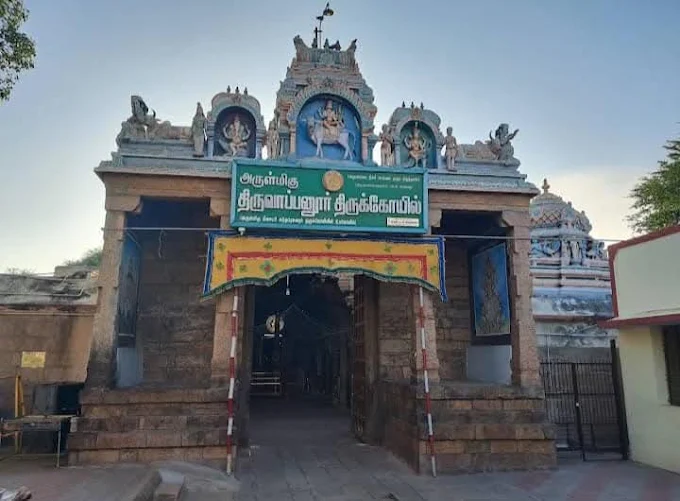
📍 21.30 km away
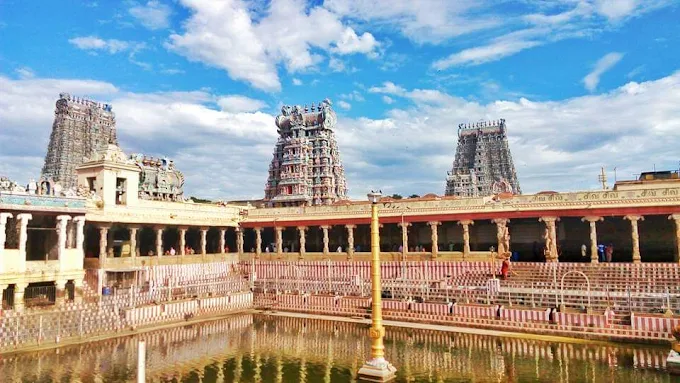
📍 22.53 km away
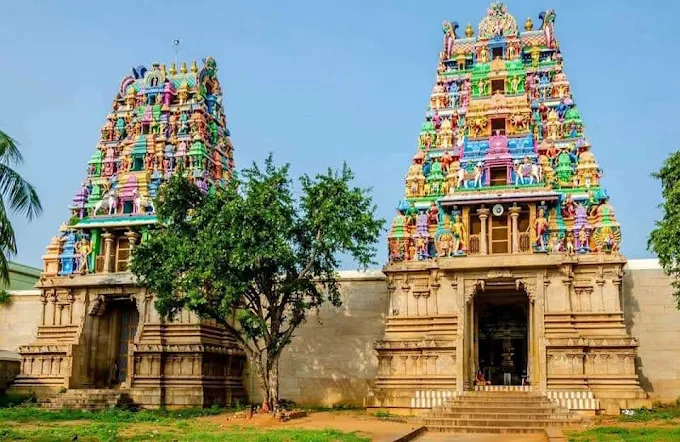
📍 27.93 km away
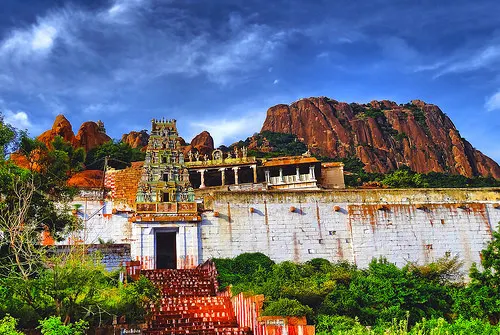
📍 28.62 km away
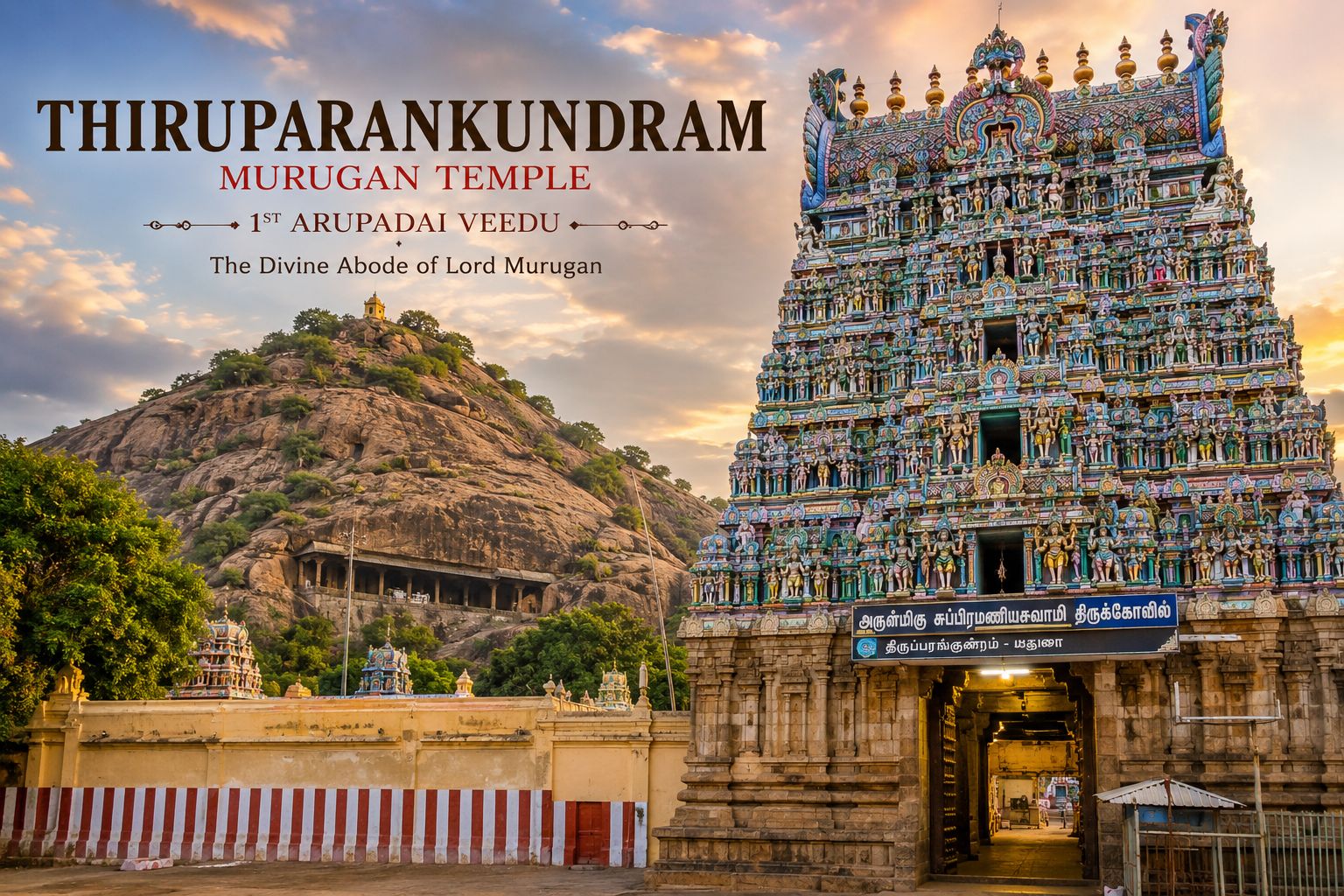
📍 29.05 km away
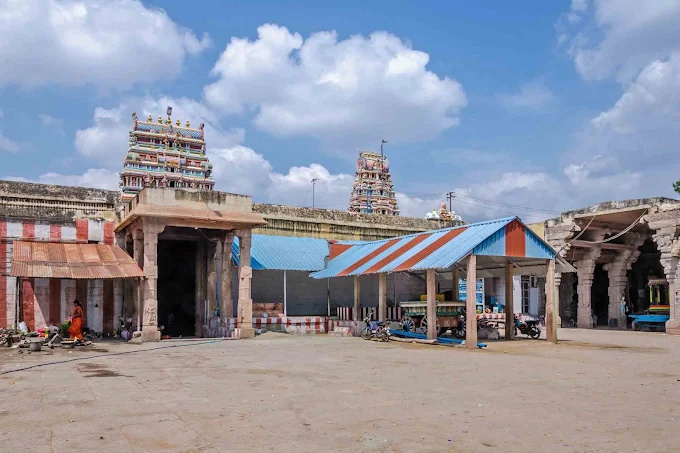
📍 62.60 km away
Stays near Pazhamudircholai Murugan Temple

📍 Near Kurinji Andavar Temple · 81.9 km
stayStarting from ₹2,000 / night
Discover more temples you may be interested in
You may also like these temples