☰
🛕 Lord Devi | 📍 Madurai, Madurai, Tamil Nadu
Meenakshi Amman Temple, formally known as the Arulmigu Meenakshi Sundareswarar Temple, is one of the defining sacred landmarks of Madurai and one of the most important temple complexes of Tamil Nadu. The temple is dedicated to Goddess Meenakshi, traditionally understood as a manifestation of Goddess Parvati, and Lord Sundareswarar, a manifestation of Lord Shiva. The official Tamil Nadu HR&CE description identifies Meenakshi and Sundareswarar as the two principal deities of the temple.
The spiritual identity of the temple is closely connected with the sacred mythology of Madurai. According to temple tradition, Meenakshi was born as the daughter of the Pandyan king Malayadhwaja Pandyan and was destined to rule Madurai. She is portrayed not merely as a goddess of worship but as the divine queen of the city. Her meeting and marriage with Sundareswarar form the central sacred narrative associated with Madurai's famous Chithirai celebrations.
The temple therefore occupies a distinctive place in Tamil religious culture because the goddess has a central and sovereign role. Devotees worship Meenakshi seeking blessings associated with family welfare, prosperity, courage, marriage and spiritual strength, while Sundareswarar represents the divine presence of Shiva in Madurai.
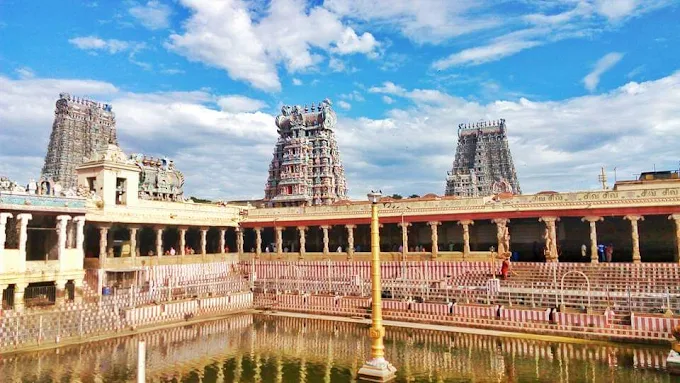
The architectural scale of the complex adds another dimension to its significance. The temple covers a vast urban complex with numerous shrines, mandapams, sculptural corridors and towering gopurams. The famous Ayiram Kaal Mandapam, traditionally called the Hall of Thousand Pillars, is celebrated for its sculptural workmanship. Musical pillars are another remarkable feature highlighted by the Tamil Nadu Tourism authorities.
The Potramarai Kulam, or Golden Lotus Tank, forms an important sacred space within the complex. The temple also preserves an extensive visual world of sculptures and paintings depicting episodes from Hindu sacred traditions and the Thiruvilaiyadal traditions associated with Shiva's divine acts in Madurai.
The annual Chithirai Festival is perhaps the most celebrated expression of the temple's living religious tradition. It includes the coronation of Meenakshi and her celestial wedding with Sundareswarar. The festival also connects the Shaiva tradition of Meenakshi-Sundareswarar with the Vaishnava tradition associated with Alagar, making Madurai's festival culture particularly distinctive.
For pilgrims, Meenakshi Amman Temple is therefore more than a monument. It is a living centre of worship, festival, sculpture, music, literature and Tamil cultural memory. Its importance comes from the continuing relationship between the goddess, the city of Madurai and generations of devotees.
The history of Meenakshi Amman Temple is closely connected with the long history of Madurai itself. Madurai is an ancient urban centre mentioned in Tamil literary traditions, and the temple has developed through several historical periods rather than being the work of a single ruler or dynasty.
The Madurai District Government describes the temple as having ancient origins and states that the complex grew through contributions from successive dynasties and rulers. It also records that the temple was substantially expanded during the reign of King Thirumalai Nayak in the 17th century.
Temple tradition connects the sacred history of Madurai with the divine birth, rule and marriage of Goddess Meenakshi. According to the traditional account, Meenakshi emerged as the daughter of the Pandyan ruler Malayadhwaja Pandyan and became the divine ruler of Madurai. Her marriage with Sundareswarar, identified with Shiva, forms the central sacred narrative of the temple.
The historical development of the physical temple was much more complex. Madurai experienced political changes, invasions and periods of reconstruction. The present monumental complex reflects particularly strong Nayaka-period architectural development, while earlier Pandyan contributions and older sacred traditions form part of its longer history.
The 14th century was a difficult period for Madurai, and historical accounts associate the temple with damage during the campaigns of Malik Kafur. The complex was subsequently restored and expanded. Later Nayaka rulers played a major role in transforming the temple into the monumental architectural complex visible today. The period of Thirumalai Nayak, who ruled Madurai from 1623 to 1659, was particularly important in the development of the city's monumental architecture.
The temple complex eventually developed into a large urban sacred centre containing the Meenakshi and Sundareswarar shrines, numerous subsidiary shrines, mandapams, corridors, sacred tanks and monumental gateway towers. The Madurai District Government records the complex at approximately 65,000 square metres.
Among its most celebrated architectural features is the Ayiram Kaal Mandapam, or Hall of Thousand Pillars. Its sculpted pillars demonstrate the sophistication of Tamil stone craftsmanship. The complex also contains musical pillars and extensive sculptural and painted representations of Hindu religious narratives.
The temple's history is therefore best understood as a combination of ancient Madurai traditions, Pandyan heritage, medieval reconstruction and major Nayaka-period architectural expansion. The present complex should not be attributed entirely to one period. It represents centuries of religious continuity and architectural development.
In the modern period, the temple continues to function as a major pilgrimage centre under the administration of the Tamil Nadu Hindu Religious and Charitable Endowments Department. The official HR&CE portal records the temple as Arulmigu Meenakshi Sundareswarar Temple, Madurai, and continues to publish its visitor information and daily opening hours.
No daily poojas available.
No special rituals available currently.
No festivals available.
Dress Code: Traditional and modest clothing is recommended.
Photography: No
Prasad: Not Available
Prasad Details: Prasadam is available according to temple arrangements.
📍 1.26 km away
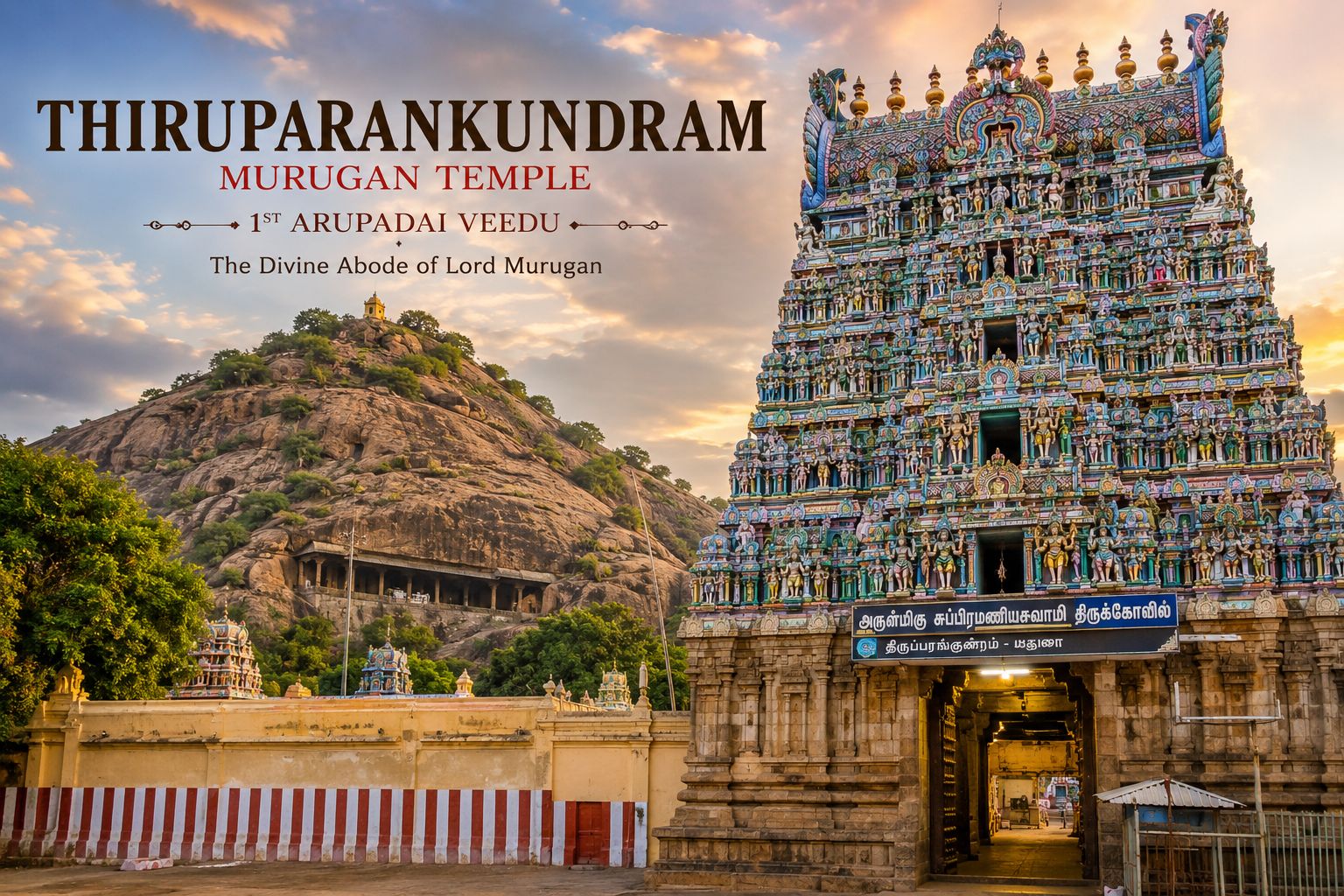
📍 6.84 km away
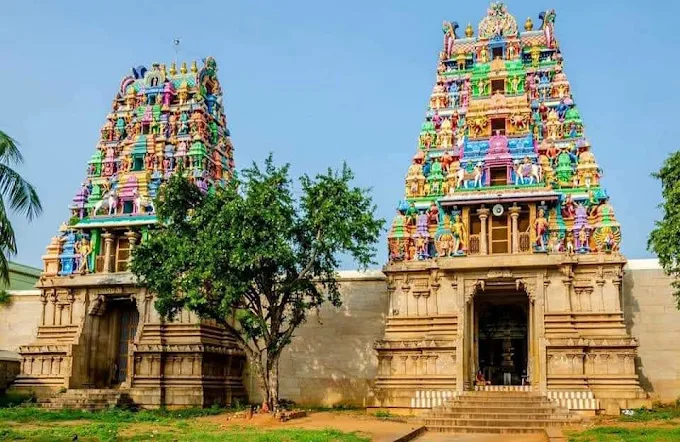
📍 16.60 km away

📍 73.71 km away
📍 75.54 km away
📍 77.57 km away
Stays near Meenakshi Amman Temple

📍 Near Kurinji Andavar Temple · 77.6 km
stayStarting from ₹2,000 / night

📍 Near Nachiyar Kovil (Thirunarayur Nambi Temple) · 187.7 km
stayStarting from ₹4,500 / night

📍 Near Kasi Vishwanathar Temple · 1,787.6 km
Starting from ₹1,200 / night


📍 Near Kasi Vishwanathar Temple · 1,787.6 km
Starting from ₹1,200 / night
Discover more temples you may be interested in
You may also like these temples