☰
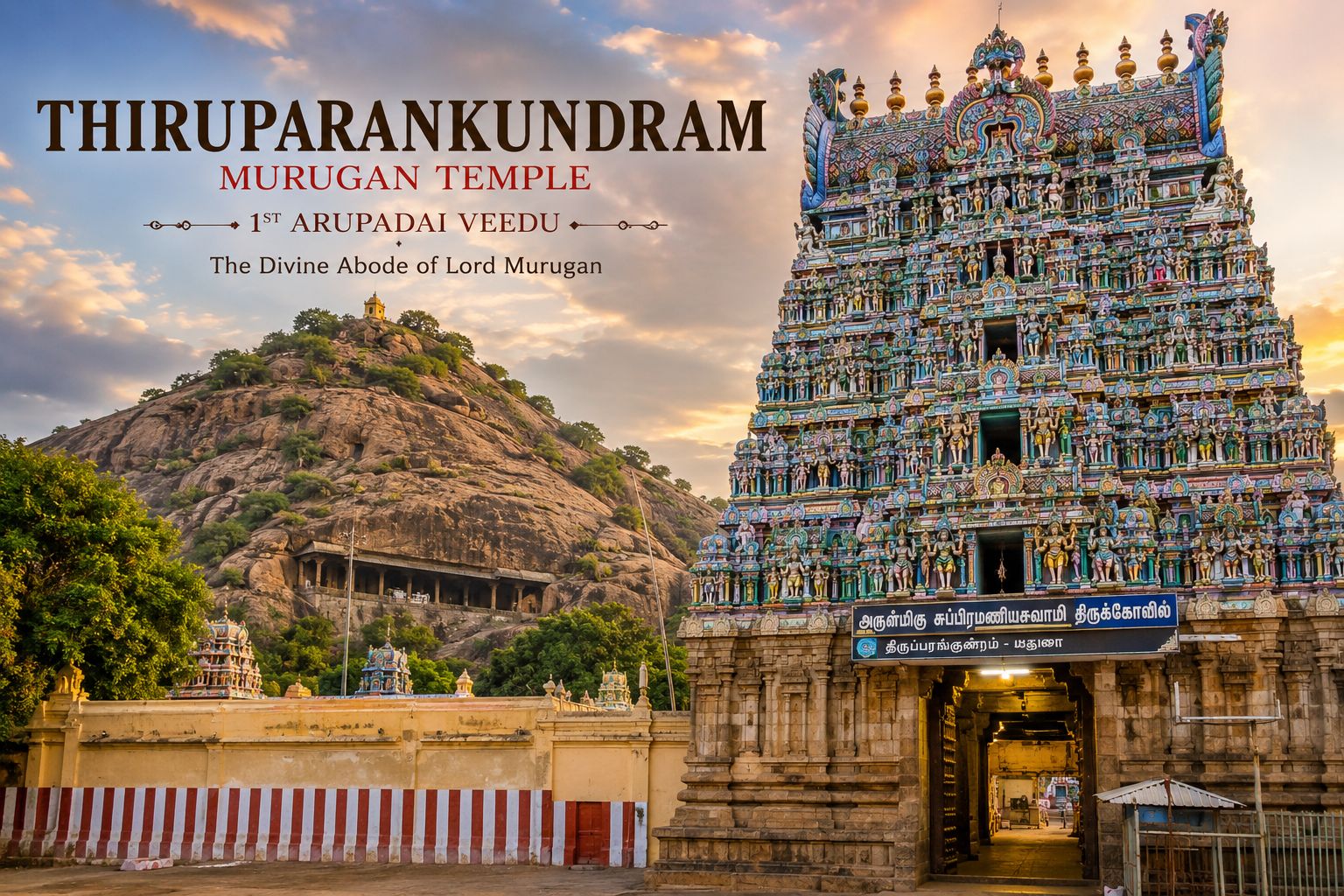
🛕 Lord Murugan | 📍 Thirupparankundram, Madurai, Tamil Nadu
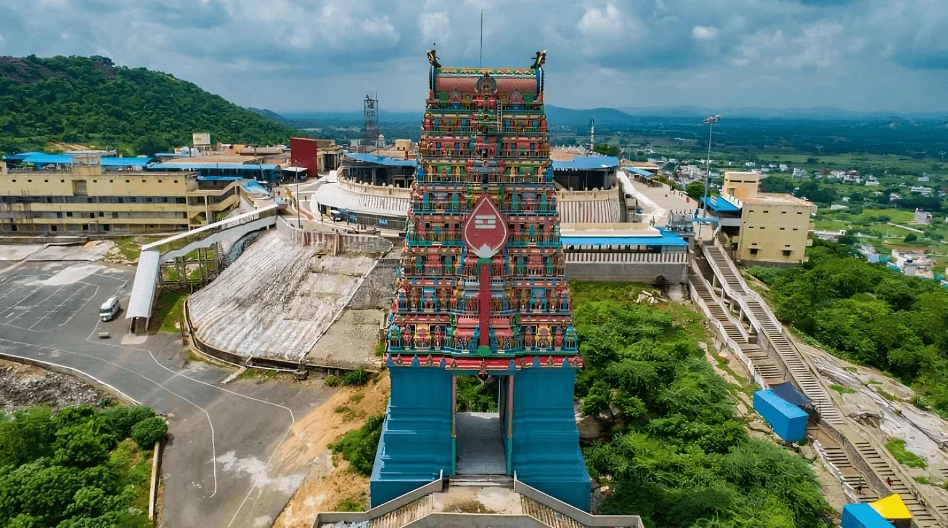
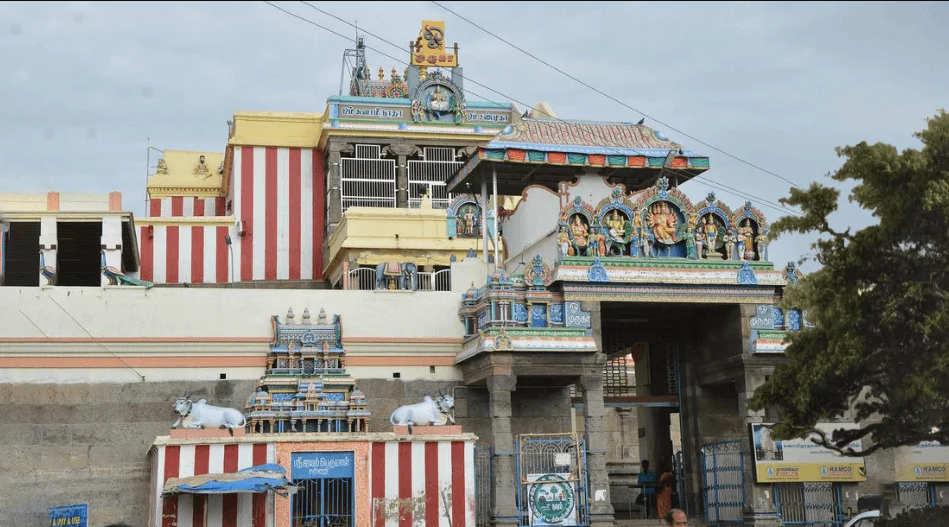
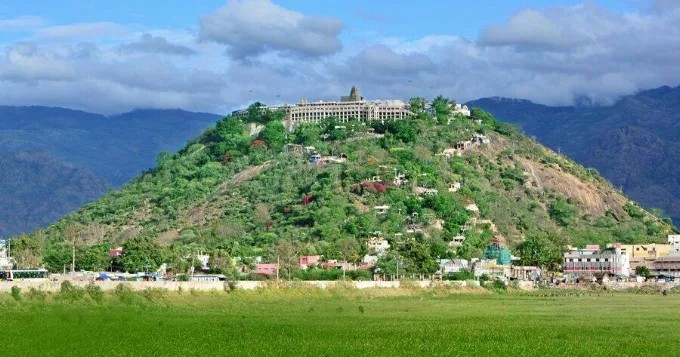
Arulmigu Subramaniya Swami Temple at Thirupparankundram is traditionally celebrated as the first among the sacred six abodes (Arupadai Veedu) of Lord Murugan. Immortalized in classical Tamil Sangam literature such as the 'Thirumurugatruppadai' composed by the poet Nakkeerar, the shrine commands immense spiritual reverence. According to regional Puranic tradition, it was at this consecrated hill that Lord Murugan was married to Deivayanai (Devasena), the divine daughter of Indra, following the vanquishing of the demon king Surapadman. Consequently, the temple is regarded as a premier sthala for wedding blessings and harmonious marital life. Another singular religious aspect of the temple is that its presiding sanctum is carved directly out of the living rock of the sacred hill (Skandamalai / Paramgiri). Because the principal deity is carved as a relief out of the hill bedrock, traditional daily abhishekam (sacred ceremonial bath) is performed exclusively to the divine spear—the sacred Vel of Lord Murugan—rather than to the rock-cut moolavar murti, while sanctified punugu (civet paste) is anointed upon the deity. Uniquely harmonizing major traditions of Sanatana Dharma, the complex houses sanctums for Shiva (Parangirinathar), Vishnu (Pavala Kanivai Perumal), Vinayaka (Karpaga Vinayagar), and Goddess Durga facing each other within the cave structure, exemplifying an ancient confluence of Shaivite, Vaishnavite, and Shaktism traditions.
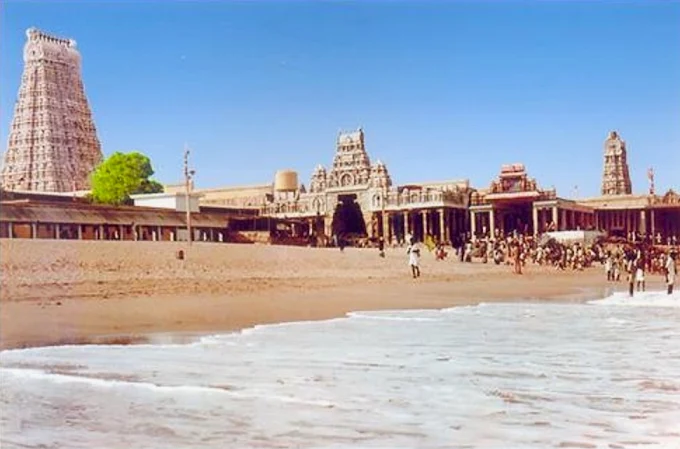
Thirupparankundram possesses an extraordinarily rich architectural and epigraphical lineage bridging more than a millennium. Historical and archaeological surveys reveal that the hill contains ancient natural caverns utilized by Jain ascetics with Tamil-Brahmi rock inscriptions dating from the 2nd century BCE to the early centuries of the Common Era. The core rock-cut cave sanctums of the Hindu shrine were excavated under the Early Pandya dynasty around the 8th century CE. A prominent 8th-century inscription of the Early Pandya ruler Maranjadayan (Jatila Parantaka Nedunjadayan) documents the excavation and structural patronages executed by his military commander/minister Sattan Ganapathi (also known as Maran Kari) along with Ganapathi's wife Nakkan Kotri, who dedicated shrines to Durga and Jyeshtha. Epigraphical records spanning 41 inscriptions detail continuous endowments from medieval Pandya rulers—including Sadayavarman Kulasekaran, Maravarman Sundara Pandyan, and Jatavarman Sundara Pandyan—as well as Vijayanagara governors. In subsequent centuries, the Madurai Nayak rulers, notably Veerappa Nayakar and later the regency of Rani Mangammal in the 16th and 17th centuries, extensively expanded the structural temple into a vast complex. They added the towering 150-foot, seven-tiered Rajagopuram, surrounding prakarams, and magnificent pillared halls, including the Asthana Mandapam adorned with 48 intricately carved monolithic stone pillars portraying Puranic legends. Today, this monument of ancient Pandya rock-cut architecture is administered by the Hindu Religious and Charitable Endowments (HR&CE) Department of the Government of Tamil Nadu.
According to traditional belief, because Lord Murugan wed Goddess Deivayanai at this sacred site, unmarried devotees worship here to remove obstacles in marriage negotiations, while married couples seek enduring harmony and fidelity.
Devotees pray before the sacred Vel (divine spear) believing that Lord Murugan grants spiritual fortitude, dispels fear, and assists them in overcoming severe personal adversities and rivalries.
Pilgrims traditionally observe vows at the Saravana Poigai and other holy theerthams, offering salt and black pepper at the temple to seek relief from skin diseases and chronic physical ailments.
In devotional tradition linked to poet Nakkeerar's deliverance at this hill, students and aspirants pray to Lord Subramaniya and Karpaga Vinayagar for sharp intellect, artistic inspiration, and academic success.
A traditional daily and special offering performed specifically to the sacred Vel of Lord Murugan using milk, as the main relief deity of the hill does not receive direct liquid abhishekams.
A prestigious devotional seva where the utsava murti of Lord Subramaniyaswamy is taken in a magnificent ceremonial procession around the temple corridors on the golden chariot against an established endowment fee.
A special ritual recreating the celestial wedding rites of Lord Subramaniyaswamy and Goddess Deivayanai, booked by devotees praying for marriage boons and conjugal happiness.
A special elaborate abhishekam and archana offered to the Shanmugar (six-faced manifestation) bronze icon within the temple.
Individual archana performed by temple priests invoking the sacred 108 divine names of Lord Subramaniya Swami with sacred flowers and kumkum.
The Thai Theppa Thiruvizha is an annual festival celebrated during the Tamil month of Thai (January–February). Presiding deities Lord Subramaniyaswamy and Goddess Deivanai are take...
Panguni Brahmotsavam is the most significant annual festival of Thirupparankundram Murugan Temple, spanning 14 to 15 days in the Tamil month of Panguni (March–April). Religious bel...
Celebrated during the Tamil month of Chithirai (April–May), this festival highlights the deep civic and religious linkages between Thirupparankundram and Madurai. As part of the wi...
Vaikasi Visakam is celebrated on the full moon day coinciding with the Visakam asterism in the Tamil month of Vaikasi (May–June), commemorating the birth star of Lord Murugan. Devo...
Kandha Shashti is an important six-day festival celebrated in the Tamil month of Aippasi at Thirupparankundram, the first abode among Lord Murugan's six sacred padai veedus. Religi...
Karthigai Deepam is an ancient Tamil festival observed in the month of Karthigai when the moon aligns with Krittika nakshatra and Pournami. At Thirupparankundram, a monumental Maha...
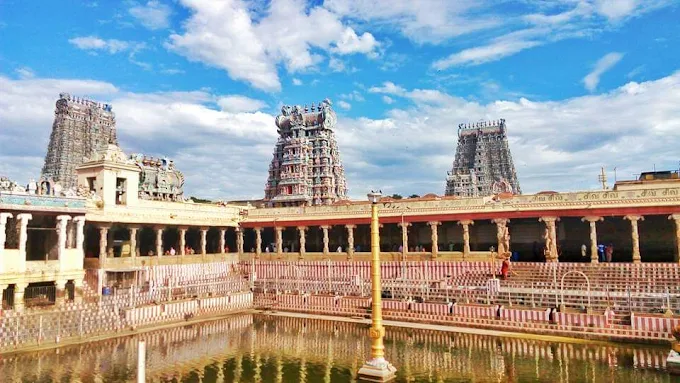
📍 6.84 km away
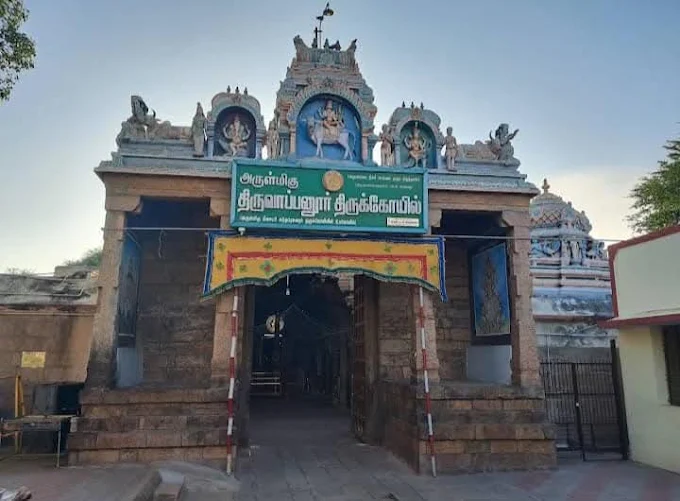
📍 7.93 km away
📍 15.68 km away
📍 29.05 km away
📍 41.17 km away
📍 56.72 km away
Stays near Thirupparankundram Murugan Temple

📍 Near Kurinji Andavar Temple · 75.2 km
stayStarting from ₹2,000 / night
Discover more temples you may be interested in
You may also like these temples