☰
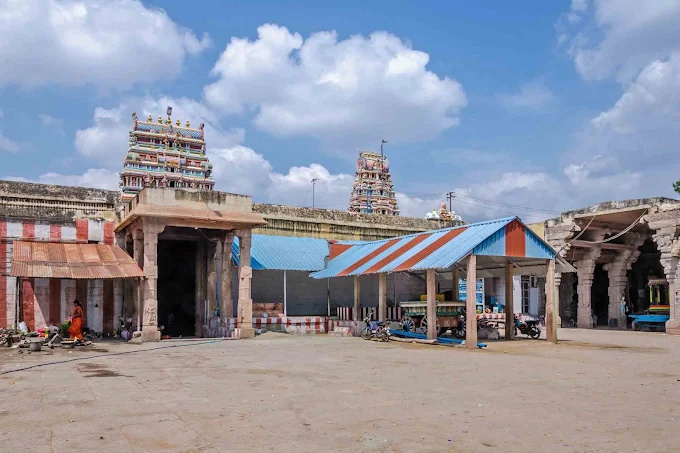
🛕 Lord Shiva | 📍 Tiruchuli, Virudhunagar, Tamil Nadu
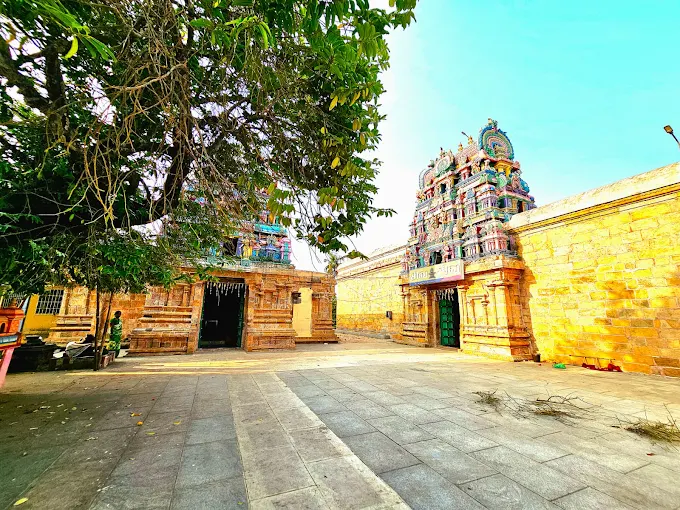
Thirumeninathar Temple, also known as Arulmigu Bhoominathar Temple, is a revered Saivite shrine situated in Tiruchuli along the Gundar (Bagavari) River basin in Tamil Nadu. The temple is acclaimed as the 12th Paadal Petra Sthalam in the ancient Pandyan kingdom and the 202nd across the 276 canonical Saivite shrines glorified in the 7th–8th century Tevaram hymns, especially those rendered by Saint Sundaramurthi Nayanar. In the Periya Puranam, Sekkizhar celebrates the sacredness of this shrine where Saint Sundarar stayed and had a divine vision directing him towards Tirukanaper.
The town's ancient name, 'Tiruchuzhial' (whirlpool), originates in devotional tradition from the cosmic deluge (pralayam), during which Lord Shiva is believed to have pierced the earth with his trident to channel the apocalyptic floods into an underground vortex, saving the region and forming the Kavvaikadal theertham situated before the temple entrance. Because Mother Earth (Bhudevi) performed rigorous penance here to cleanse doshas, the deity is venerated as Bhoominathar. Lord Shiva is also enshrined as Kalyana Sundarar, appearing with Goddess Parvati (Thunaimalai Amman or Sahayavalli) in their divine celestial wedding posture facing east, making it a powerful prarthana sthalam for matrimonial harmony.
Significantly, Tiruchuli is the sacred birthplace of the 20th-century Advaita sage Bhagavan Sri Ramana Maharshi, who was born here on 30 December 1879, coinciding with the auspicious Arudra Darshanam festival as the temple's Nataraja idol moved in procession. Another architectural marvel within the temple sabha is a rare idol of Lord Nataraja crafted out of concentrated medicinal herbs (pacchilai mooligai), flanked by Sivagami Ambal and sages Patanjali and Vyaghrapada. An intricate Sri Chakra is sculptured onto the stone ceiling of the mandapam in front of the Amman shrine, enhancing the esoteric spiritual aura of this venerable shrine.
Thirumeninathar Temple possesses a documented heritage that spans over a millennium, reflecting the architectural patronage of successive South Indian dynasties. The foundation and primary stone architecture of the temple originated during the Early and Later Pandya eras (circa 8th to 13th centuries CE). Epigraphical records preserved in the temple provide valuable historical insights into medieval Tamil society and royal benefactions.
Among the recorded inscriptions, one of the most prominent belongs to the great Chola monarch Rajaraja Chola I (reigned 985–1014 CE). The inscription opens with his renowned 'Meikeerthi' (eulogy) and documents an endowment established for maintaining a perpetual lamp (nanda vilakku) in the sanctum sanctorum. Another stone inscription dated Saka 1152 (1230 CE) belongs to the Later Pandya regime, recording regional administrative decisions and the political defeat of Jananatha. The structural layout conforms to classical Dravidian temple architecture, encompassing a five-tiered eastern Rajagopuram, an inner moat-like ditch (agazhi) surrounding the primary garbhagriha, expansive pillared mandapams, and enclosed concentric prakarams covering roughly 2.5 acres.
During the post-Vijayanagara and Nayaka periods, the rulers of the Ramnad Kingdom (Sethupathis of Ramanathapuram) extended protection and land endowments to this temple, maintaining its pujas and grand festivals. In the late 19th and early 20th centuries, the affluent Nattukottai Nagarathar merchant community spearheaded comprehensive renovation (tiruppani) works, executing extensive stone carvings, roof refurbishments, and the reconstruction of temple halls. In contemporary times, the administration of the temple is overseen by the Hindu Religious and Charitable Endowments (HR&CE) Department of the Government of Tamil Nadu, which manages the daily rituals, the annual Brahmotsavam, and the conservation of the ancient heritage complex.
According to devotional belief, worshipping Lord Shiva as Bhoominathar—the Lord who sanctified and redeemed Mother Earth (Bhudevi)—helps devotees overcome property disputes, real estate delays, and ancestral land complications.
The presiding deities reside in their celestial wedding posture (Kalyana Kolam). Devotees traditionally pray to Goddess Thunaimalai Amman with yellow vastram and garlands to resolve delayed marriages and seek harmonious relationships.
A unique traditional observance at this temple involves performing prayers and lighting a special 'Moksha Deepam' in the name of deceased ancestors, believed in religious custom to liberate departed souls across successive rebirths.
Traditional Saivite lore holds that offering worship at this shrine, where the deluge was arrested, dissolves karmic doshas and cleanses sins accumulated across lifetimes.
Devotional belief attributes subtle healing and rejuvenating spiritual vibrations to the darshan of the sanctified Nataraja idol sculpted from rare medicinal herbs (pacchilai mooligai).
A unique ancestral offering wherein a ghee lamp is lit in the temple premises accompanied by archana chanted for the peace and spiritual liberation of departed souls.
Fortnightly ritual observed on trayodashi thithis with special milk and herbal abhishekam to Nandi and Thirumeninathar, followed by an inner-prakaram circumambulation.
Special Monday Saivite ritual including sankalpam, rudrabhishekam, and bilva archana dedicated to Lord Bhoominathar.
Special ceremonial divine wedding ritual performed during the annual Panguni Brahmotsavam festival or upon devotee request for marital blessings.
The primary annual festival celebrated over 10 days in the Tamil month of Panguni (March–April). The festival commences with flag hoisting (Dwajarohanam) and includes daily deity p...
A major 10-day festival observed in the Tamil month of Aadi (July–August) focused on the presiding goddess, Thunaimalai Amman (Sahayavalli). According to religious tradition, it co...
Celebrated on the full moon day of the Tamil month of Chithirai (April–May). The temple conducts elaborate special abhishekams, sacred rituals, and evening deity processions around...
A significant annual night vigil in the Tamil month of Maasi (February–March) honoring Lord Shiva. Devotees participate in special four-kala abhishekams and archana ceremonies held...
Celebrated during the Moolam star in the Tamil month of Aavani (August–September), commemorating the divine lilas of Shiva and honoring the poetic traditions associated with the Sa...
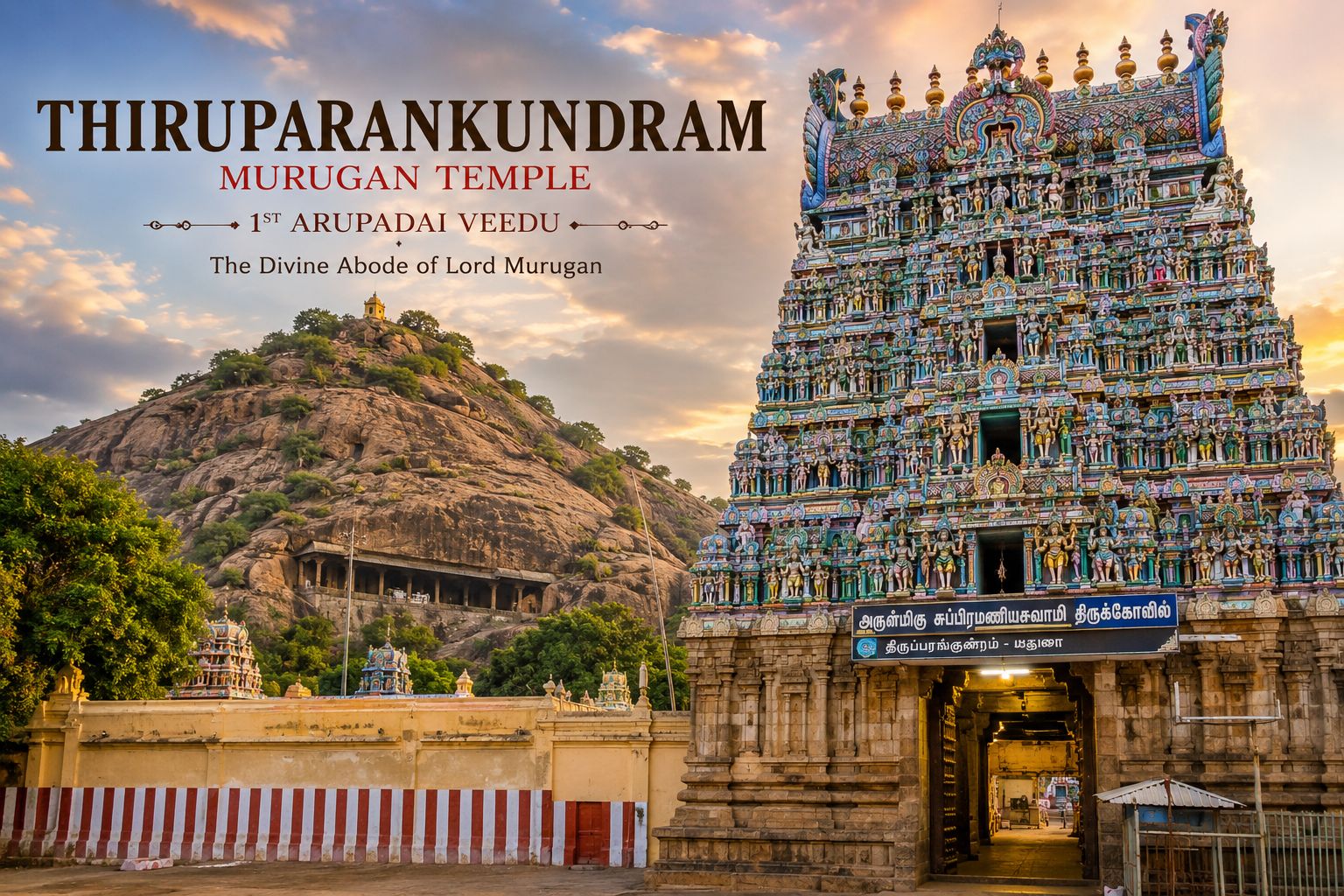
📍 41.17 km away
📍 43.98 km away
📍 45.10 km away
📍 56.45 km away
📍 62.60 km away

📍 81.56 km away
Stays near Thirumeninathar Temple

📍 Near Kurinji Andavar Temple · 110.6 km
stayStarting from ₹2,000 / night
Discover more temples you may be interested in
You may also like these temples