☰
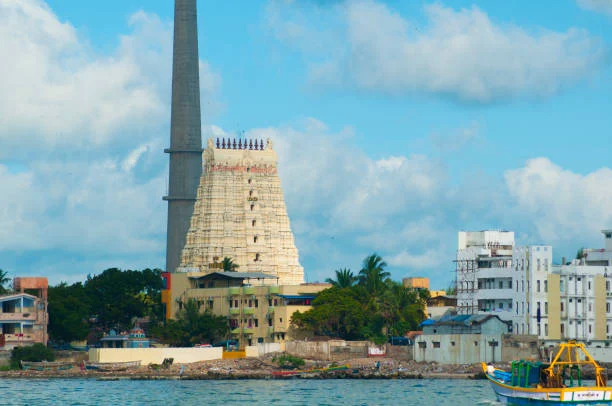
🛕 Lord Shiva | 📍 Rameswaram, Ramanathapuram, Tamil Nadu
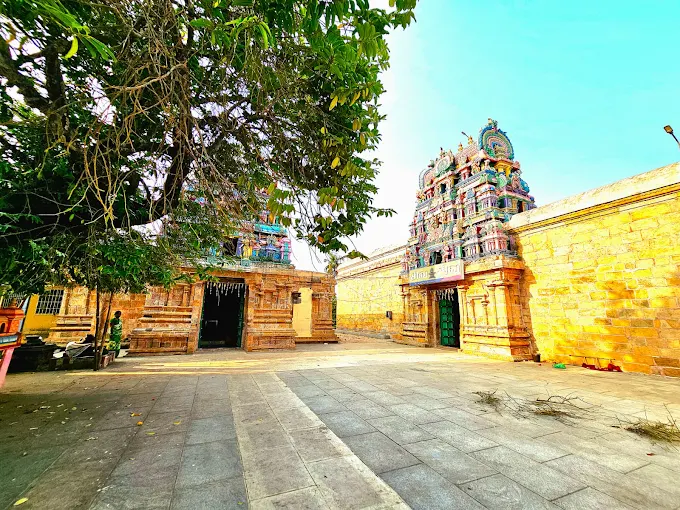
Sri Ramanathaswamy Temple in Rameswaram, located on Pamban Island in Tamil Nadu, is one of the most sacred pilgrimage destinations in India. It is uniquely revered across multiple traditions: it is the southernmost of the twelve Jyotirlingas dedicated to Lord Shiva, one of the four cardinal pilgrimage sites of the Badi Char Dham (alongside Badrinath, Puri, and Dwarka), and one of the 275 Paadal Petra Sthalams celebrated in the 7th-century Tamil Saiva canon (Tevaram). The temple embodies an extraordinary synthesis between Shaivism and Vaishnavism, as Lord Shiva here is traditionally venerated as the deity worshiped by Lord Rama, an incarnation of Vishnu.
The sanctum sanctorum houses two primary lingams: the Ramalingam, traditionally held to have been sculpted by Sita from sand, and the Vishwalingam, believed to have been brought from Mount Kailash by Hanuman. Continuing an ancient directive attributed to Rama, the Vishwalingam is offered worship first every day before the Ramalingam. The temple is also globally celebrated for its Dravidian architectural grandeur, boasting the longest pillared corridor among Hindu temples, featuring over 1,200 elaborately carved granite pillars. A core element of the pilgrimage is ritual purification: pilgrims first take a sea bath at Agni Theertham on the Bay of Bengal, followed by an sequential bath in 22 consecrated theerthams (sweet-water wells) situated inside the temple compound, an act traditionally believed to confer complete spiritual cleansing.
The history of the Ramanathaswamy Temple is a rich tapestry of profound religious traditions and recorded architectural developments. In Hindu tradition, as described in the Ramayana and regional Puranas, Lord Rama, upon returning from Lanka after slaying the demon king Ravana, wished to expiate the dosha (spiritual defect) of killing Ravana, who was an ardent devotee of Shiva and of Brahmin lineage. Rama resolved to consecrate a Shivalinga on the shore. He dispatched Hanuman to Mount Kailash to fetch a lingam, but when the auspicious muhurta approached and Hanuman had not yet returned, Sita molded a lingam out of sea sand (the Ramalingam). When Hanuman returned with the lingam from Kailash (the Vishwalingam), Rama placated him by ordaining that the Vishwalingam should always be worshiped prior to the Ramalingam—a living ritual tradition upheld to this day.
Historically, the shrine's antiquity is attested by early Tamil literature; 7th-century Saivite saints Appar and Thirugnanasambandar praised the Lord of Rameswaram in their Tevaram hymns, demonstrating that an active center of worship existed during the early medieval era. The structural transformation from a simple shrine into a massive stone complex occurred across multiple centuries under various royal patrons. In the 12th century, the Pandya monarchs contributed significantly to the inner stone structures. Renovation and expansion of the sanctum sanctorum were also supported by the Jaffna kings (the Aryacakravartis / Sethukavalar) of Sri Lanka, who made major stone donations.
From the 15th to the 18th centuries, the Setupati rulers of Ramanathapuram served as the primary custodians and patrons of the temple. King Kizhavan Setupati and his successors initiated extensive building works. Most notably, in the late 18th century, Muthuramalinga Setupati commissioned the monumental third corridor (outer cloister) and massive pillared halls, transporting hard granite across the sea to this sand-bound island, creating one of the most astonishing architectural achievements in South India.
According to Hindu traditional belief, worshiping Lord Ramanathaswamy and taking the ritual baths frees devotees from severe karmic impediments and past sins, reflecting the legend where Lord Rama himself absolved the sin of slaying Ravana.
Pilgrims hold the sacred belief that offering Pitru Tarpanam, Shradh, or Thila Homam at Agni Theertham and seeking the blessings of the Lord liberates departed ancestors and bestows generational peace.
In traditional pilgrim customs, a journey to Kashi is spiritually fulfilled only after carrying sacred Ganga water to perform abhishekam for Lord Ramanathaswamy and taking sea sand from Rameswaram to immerse at the Triveni Sangam in Prayagraj.
Devotees, particularly women, offer special prayers at the shrine of Goddess Parvathavardhini Ambal and the Jyotirlingam with the belief that it resolves marriage delays, ensures longevity of conjugal bonds, and fosters household harmony.
Bathing in the natural, sweet waters of the 22 underground theerthams within the temple is traditionally revered as a transformative ritual that clears negative thoughts, instills profound calm, and revitalizes the spiritual self.
Ritual bath where temple staff draw water in sequence from each of the 22 holy wells inside the temple complex and pour it over the pilgrim.
Special entry queue ticket to have clear darshan of the rare crystal lingam during the early morning puja between 05:10 and 06:00 AM.
Expedited entry queue ticket to have darshan of the presiding deity, Lord Ramanathaswamy, in the main sanctum sanctorum.
Expedited entry queue ticket for darshan of Goddess Parvathavardhini Ambal in her separate sanctum.
Grand Vedic abhishekam performed for the deity with sacred sanctified waters drawn from 108 consecrated pots.
Special abhishekam and sacred offering performed to Lord Shiva accompanied by the chanting of Sri Rudram and Chamakam by temple priests.
Maha Shivaratri, celebrated as the Masi Mahotsavam/Brahmotsavam, is the grandest Shaivite festival celebrated at this Jyotirlinga shrine over 10 to 12 days in the Tamil month of Ma...
A temple-specific 3-day festival observed in the Tamil month of Aani (June–July). According to traditional temple lore and the Ramayana tradition, the festival commemorates the day...
A 10-day festival celebrated in the Tamil month of Purattasi (September–October) dedicated to Goddess Parvathavardhini Ambal. The goddess is adorned daily in different alankarams (...
A 10-day celebration held during the Tamil month of Margazhi (December–January) dedicated to Lord Nataraja. The highlight occurs on the full moon night coinciding with Thiruvathira...
Observed in the Tamil month of Thai (January–February), Thai Amavasai is one of the most sacred pilgrimage occasions at Rameswaram. Tens of thousands of pilgrims assemble at Agni T...
The celestial wedding celebration of Lord Ramanathaswamy and Goddess Parvathavardhini Ambal is one of the longest and most prominent annual festivals at the temple, lasting 17 days...
📍 62.22 km away
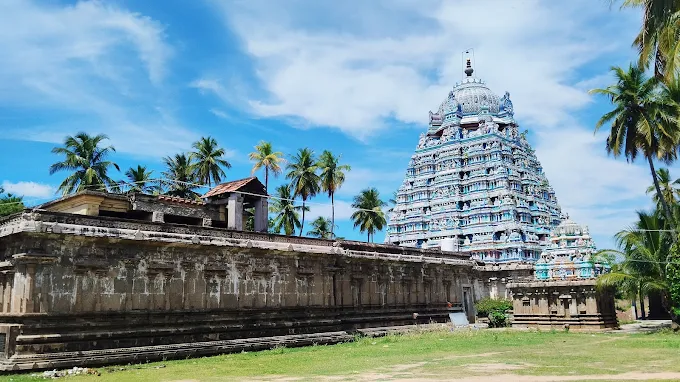
📍 68.81 km away

📍 71.28 km away

📍 125.54 km away
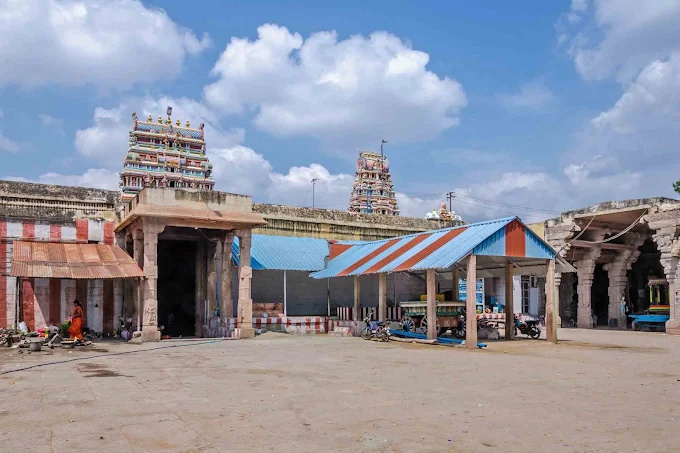
📍 125.65 km away
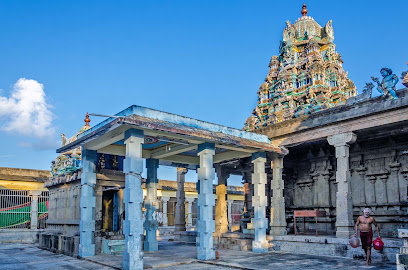
📍 129.66 km away
Stays near Rameswaram Ramanathaswamy Temple

📍 Near Kurinji Andavar Temple · 226.5 km
stayStarting from ₹2,000 / night
Discover more temples you may be interested in
You may also like these temples