☰
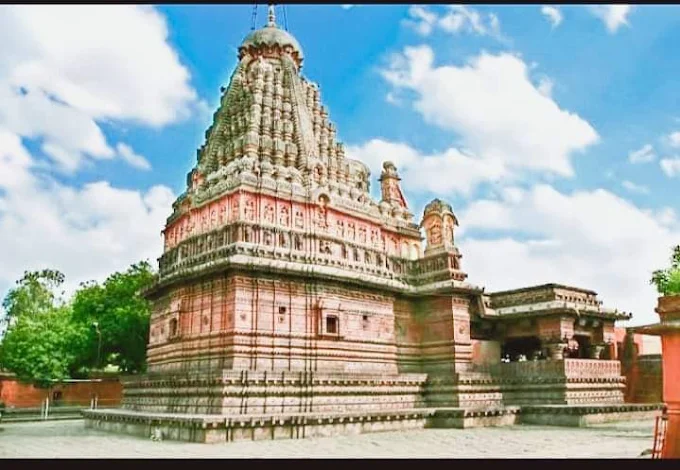
🛕 Lord Shiva | 📍 Verul (Ellora), Chhatrapati Sambhajinagar, Maharashtra
Grishneshwar Jyotirlinga (also referred to as Ghushmeshwar or Grushneshwar) is venerated as the twelfth and final Jyotirlinga among the sacred Dvadasa Jyotirlinga shrines celebrating the supreme fiery column of Lord Shiva. Situated at Verul village in the Chhatrapati Sambhajinagar district of Maharashtra, less than two kilometres from the world-renowned UNESCO World Heritage site of Ellora Caves, it occupies an exceptionally revered position in Shaiva pilgrimage circuits. For devotees completing the comprehensive All-India Dvadasa Jyotirlinga Yatra, Grishneshwar serves as the symbolic culmination and closure of their spiritual quest.
According to sacred Shaiva tradition found in the Shiva Purana (Kotirudra Samhita), the temple gets its name from Ghushma, an ardent devotee of Lord Shiva. The legend recounts that Ghushma daily fashioned and consecrated 101 clay Shivalingas, immersing them with pure devotion in a nearby sacred lake. In jealousy, her sister Sudeha (her husband Sudharma's first wife) murdered Ghushma's only son and threw his body into the lake. Undeterred in her faith, Ghushma continued her prayers and immersion rituals without anger or disruption. Pleased with her supreme equanimity and devotion, Lord Shiva restored the child to life and manifested Himself permanently at her request as 'Ghushmeshwar'—the Lord of Compassion.
The Shivalinga is worshipped here as an embodiment of unconditioned grace, forgiveness, and protection. Unlike many major Jyotirlinga shrines where devotees are restricted to distant viewing, Grishneshwar has maintained the ancient devotional tradition of 'Sparsh Darshan' (touch darshan), allowing male devotees observing the prescribed dress protocol to enter the Garbhagriha (inner sanctum) and directly touch the Shivalinga to perform Jalabhishek. Architectural connoisseurs revere the temple's Hemadpanthi-influenced red basalt stonework, intricate carvings of Dashavatara figures, sculpted deities, and five-tier tapering shikhara.
The recorded history of Grishneshwar Temple is a testament to the preservation and revival of sacred Hindu architecture across turbulent centuries in the Deccan. While ancient literary sources such as the Shiva Purana and regional Sthala Mahatmyas (such as the 'Verul Mahatmya') attest to the antiquity of the holy site since early medieval times, the original structural complexes were subjected to damage and desecration during the 13th and 14th-century Deccan campaigns under the Delhi Sultanate (including the forces of Alauddin Khalji).
The documented revival of Grishneshwar commenced in the late 16th and early 17th centuries under the patronage of Maloji Raje Bhosale (the grandfather of Chhatrapati Shivaji Maharaj). The Bhosale family held Verul (Ellora) as their ancestral jagir under the Nizam Shahi dynasty of Ahmadnagar. Epigraphical evidence and stone inscriptions preserved at the temple site commemorate the foundational contributions of Maloji Bhosale and his brother Vithoji (Ekoji) Bhosale, who discovered wealth and directed resources to reconstruct the sanctum and dig a holy reservoir. The nearby ancestral gaddi (residence) and samadhis of the Bhosale family remain protected archaeological landmarks.
The temple structure that stands today owes its architectural splendour to the celebrated 18th-century Maratha ruler of the Malwa kingdom, Punyashlok Rajmata Ahilyabai Holkar of Indore (1725–1795 CE). As part of her nationwide mission to rebuild and restore destroyed Sanatana Dharma temples (such as Kashi Vishwanath and Somnath), Maharani Ahilyabai commissioned the complete reconstruction of the Grishneshwar shrine using durable red basalt stone.
The reconstructed edifice stands on a high plinth measuring approximately 240 feet by 185 feet. Built predominantly in the South Indian Hemadpanthi idiom mixed with Maratha regional features, the temple features a square garbhagriha (inner sanctum) measuring 17 by 17 feet, preceded by an ornate Sabha Mandapa supported by 24 elaborately carved pillars. The exterior walls and the multi-tiered spire are adorned with fine sculptures depicting Hindu pantheon deities, scenes from the Puranas, and the Dashavatara incarnations. Adjacent to the temple premises is the sacred water reservoir known as the Amriteshwar / Shiva Tirtha (Holkar Talav), also developed during the Holkar era.
According to Shaivite tradition, visiting Grishneshwar completes the sacred twelve Jyotirlinga circuit, granting the pilgrim spiritual wholeness, inner peace, and divine closure.
Based on the legend of Ghushma, worshipping Lord Grishneshwar is traditionally believed to protect devotees from malicious jealousy, family strife, and severe personal hardships.
Devotees traditionally pray at Grishneshwar for the gift of children and the safety and longevity of offspring, inspired by the revival of Ghushma's son by Lord Shiva.
Shaiva devotional belief holds that performing direct Sparsh Darshan and Jalabhishek upon the Swayambhu lingam cleanses past karmic impressions and instils profound mental serenity.
Traditional ritual enabling devotees adhering to the bare-chest dress code to directly touch the Shivalinga and offer holy water and bilva leaves.
Traditional ceremonial ablution of the Jyotirlinga performed with sacred panchamrit, bilva leaves, and Rudra Sukta chanting, booked at the official temple counter.
An elaborate Vedic recital of Sri Rudram performed by priests inside the temple mandapa for health, longevity, and spiritual protection.
Special round-the-clock ceremonial pujas and continuous abhishekas conducted during auspicious Shravan Mondays and the annual Maha Shivratri festival.
A month-long festival observed throughout the sacred month of Shravan according to the regional Amavasyant calendar followed in Maharashtra. Devotees flock to the temple in massive...
Celebrated on Kartik Shukla Chaturdashi, this sacred occasion commemorates the symbolic union of Hari (Lord Vishnu) and Hara (Lord Shiva). According to local temple ritual traditio...
Observed on the full moon day of the Hindu lunar month of Kartik, Tripuri Purnima honors Lord Shiva's victory over the demon Tripurasura. The temple and the historic Shivalay Tirth...
The preeminent annual festival of the Grishneshwar Jyotirlinga, marking the appearance of the Jyotirlinga and the marriage of Lord Shiva and Goddess Parvati. Devotees participate i...
📍 137.95 km away
📍 171.60 km away
📍 201.34 km away
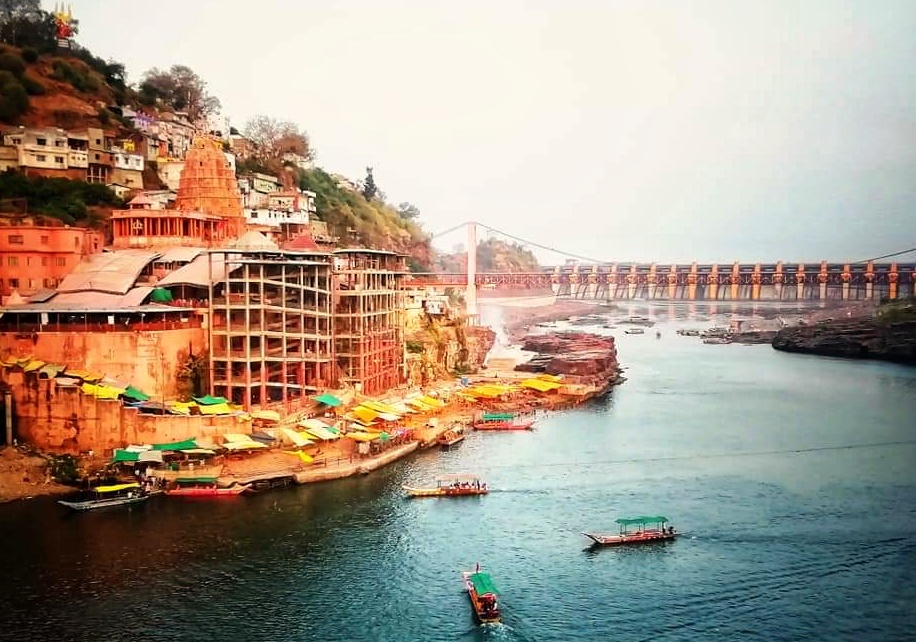
📍 267.06 km away
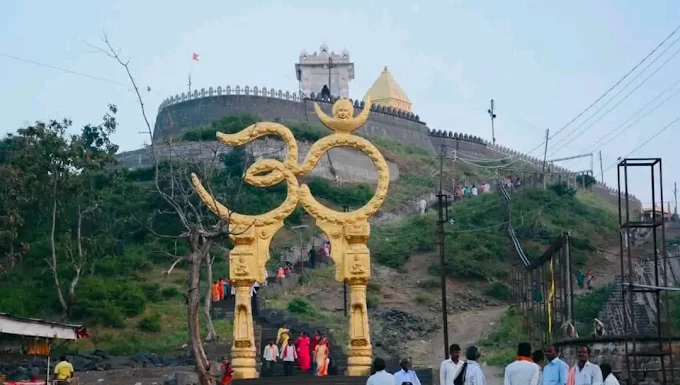
📍 288.62 km away
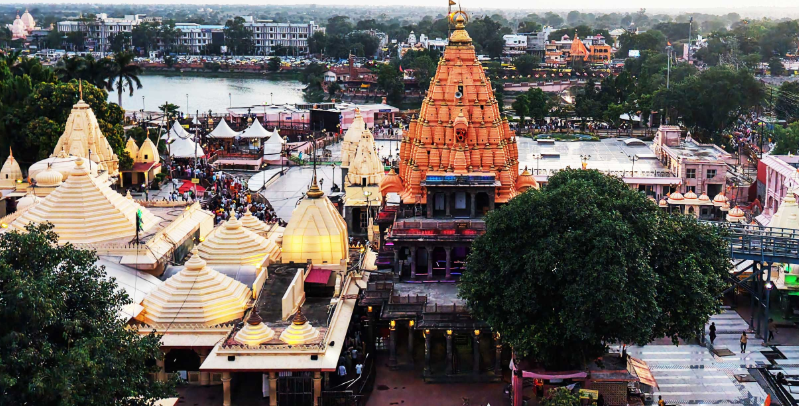
📍 356.54 km away
Stays near Grishneshwar Jyotirlinga Temple

📍 Near Kurinji Andavar Temple · 1,116.1 km
stayStarting from ₹2,000 / night
Discover more temples you may be interested in
You may also like these temples