☰
🛕 Lord Shiva | 📍 Dwarka, Devbhoomi Dwarka, Gujarat
Shri Nageshwar Jyotirlinga Temple, situated in Daarukavanam between Dwarka and Bet Dwarka in Gujarat, is revered as one of the twelve sacred Jyotirlingas of Lord Shiva. According to the Shiva Purana (Koti Rudra Samhita), it is traditionally hailed as 'Darukavane Nagesham', representing the Lord of Serpents who holds ultimate mastery over poison, fear, and negativity. In Hindu theology, the serpent symbolizes deadly toxicities of worldly existence, attachments, and ego; Lord Shiva's aspect as Nageshwar signifies his benevolent power to protect devotees from all forms of poison—both physical poisons like venom and spiritual toxins like delusion, malice, and fear of mortality.
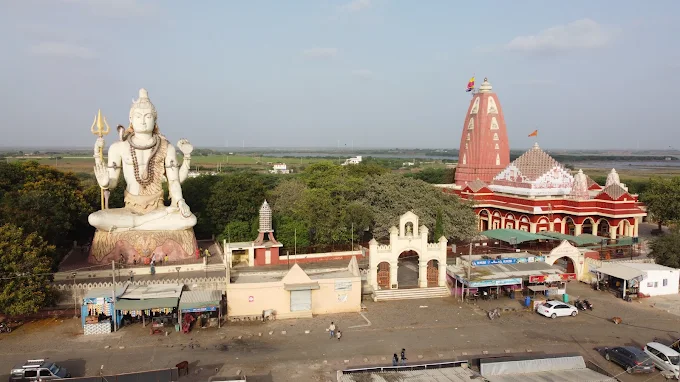
The temple's presiding deity is a Swayambhu (self-manifested) Jyotirlinga sculpted from sacred Dwarka Shila stone. It features a distinctive three-faced shape reminiscent of a Tri-mukhi Rudraksha, marked with small natural spiral chakras. A rare architectural and ritual anomaly of this temple is that the Shivalinga faces South, traditionally regarded in Vastu as the direction of Yama (the god of death), symbolizing Shiva's sovereign authority over death itself (Mahamrityunjaya), while the Gomukha (holy water outlet) extends towards the East. The sanctum sanctorum (Garbhagriha) is located in a subterranean chamber below ground level, creating an intimate, meditative ambiance where pilgrims can offer milk, water, and Bilva leaves directly to the Lingam. Adjacent to the Jyotirlinga stands the graceful shrine of Goddess Parvati, venerated here as Nageshwari. The outer complex is dominated by an awe-inspiring, 80-foot (25-metre) seated statue of Lord Shiva in deep meditation, which serves as a majestic navigational landmark visible across the coastal plains of Devbhumi Dwarka.
The traditional history of Nageshwar Jyotirlinga is deeply rooted in Puranic lore. As recounted in the Shiva Purana, the sacred forest known as Daarukavanam was once terrorized by a fierce demon named Daaruka and his consort Daaruki. Daaruki had obtained a divine boon from Goddess Parvati, which caused the enchanted forest to travel wherever she moved. Misusing this celestial favour, the demons harassed hermits and captured a righteous sea-merchant and staunch devotee of Shiva named Supriya along with numerous fellow travelers. Imprisoned in an subterranean oceanic dungeon, Supriya refused to submit to demonic tyranny and continuously chanted the sacred Panchakshari mantra ('Om Namah Shivaya'), encouraging fellow captives to do the same. When the infuriated Daaruka raised his weapon to slaughter Supriya, Lord Shiva dramatically manifested through a fissure in the earth as an infinite pillar of blazing divine cosmic light (Jyotirlinga), annihilating the demon and delivering the devotees. At the supplication of the surviving beings, Shiva agreed to reside permanently at that spot alongside Parvati as Nageshwar and Nageshwari to safeguard righteous mortals.
Historically and geographically, there has been a long-standing scholarly debate concerning the authentic scriptural site of 'Darukavana'. Three ancient sites contend for this sacred identity: the Nageshwar Temple near Dwarka in Gujarat, the Aundha Nagnath Temple in Hingoli district of Maharashtra, and the Jageshwar complex in Almora, Uttarakhand. In Gujarat and widely accepted across the Pan-Indian western pilgrimage circuit, this holy site near Dwarka is universally venerated as the eighth Jyotirlinga described in scripture.
The historical continuity of worship at the Dwarka site spans many centuries, surviving western coastal invasions and territorial upheavals. The modern transformation and physical architecture seen today owes its revival to the prominent Indian music producer, philanthropist, and devout Shivite, the late Gulshan Kumar (founder of T-Series). In the mid-1990s, he spearheaded a major reconstruction initiative, funding the modern red-stone temple complex, landscaped pilgrim amenities, and commissioning the monumental 80-foot seated statue of Lord Shiva, a project completed in the late 1990s and early 2000s under his family's trust.
According to traditional Shaivite belief, worshipping Nageshwar Mahadev removes all internal anxieties, irrational fears, and chronic insecurities.
Devotees traditionally perform milk Abhishek and offer Bilva leaves here to alleviate Sarpa Dosha, Kaal Sarp Dosha, and planetary afflictions associated with Rahu and Ketu.
As the supreme deity over venom and poisons, Lord Shiva is believed to cleanse devotees of spiritual malice, destructive tendencies, and negative emotional poisons.
Darshan of this self-manifested Jyotirlinga in Daarukavanam is traditionally believed to bestow clarity of mind, spiritual elevation, and liberation (Moksha) from the cycle of rebirth.
Traditional Vedic anointing ceremony performed on the Jyotirlinga by priests with sacred herbs, Panchamrit, and continuous recitation of Sri Rudram and Chamakam.
Offering of pure cow milk and water directly upon the Shivalinga in the inner sanctum by male devotees adhering to the traditional dhoti dress code.
Extensive Vedic ritual conducted by a panel of eleven learned Vedic priests invoking the eleven forms of Lord Rudra for health, prosperity, and obstacle removal.
Special ceremonial archana involving the offering of 1,008 sacred three-leafed Bilva leaves to the Jyotirlinga alongside the chanting of Shiva Sahasranama.
Kartik Purnima, also commemorated as Tripurari Purnima and Dev Diwali, is observed on the full moon day of the month of Kartik. In Shaivite tradition, the day celebrates Lord Shiva...
Maha Shivratri is the most significant annual festival celebrated at Nageshwar Jyotirlinga, marking the divine night of Lord Shiva. The temple witnesses continuous round-the-clock...
The sacred month of Shravan is dedicated to Lord Shiva. At Nageshwar Jyotirlinga, the entire month is observed with daily Rudrabhishek, special bilateral bilva patra offerings, and...
📍 210.68 km away
📍 211.60 km away
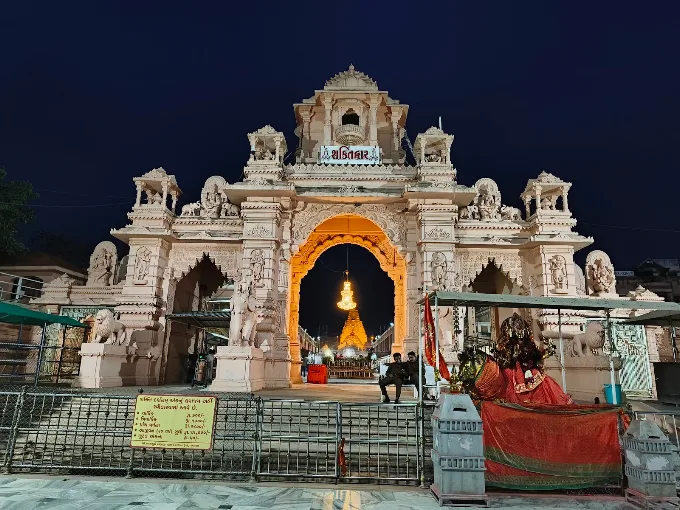
📍 443.89 km away
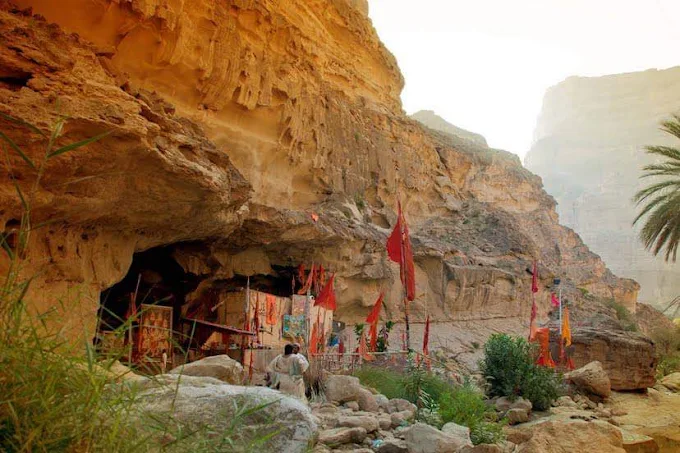
📍 506.41 km away
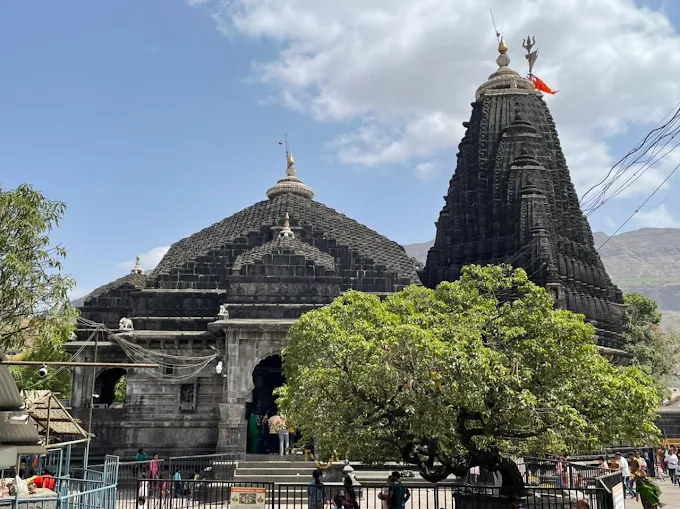
📍 532.74 km away
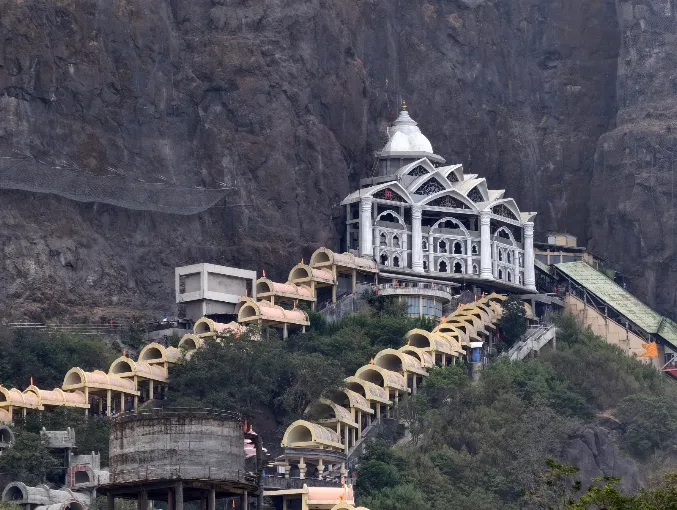
📍 543.90 km away
Stays near Dwarka Nageshwar Jyotirlinga Temple

📍 Near Kurinji Andavar Temple · 1,615.4 km
stayStarting from ₹2,000 / night
Discover more temples you may be interested in
You may also like these temples