☰
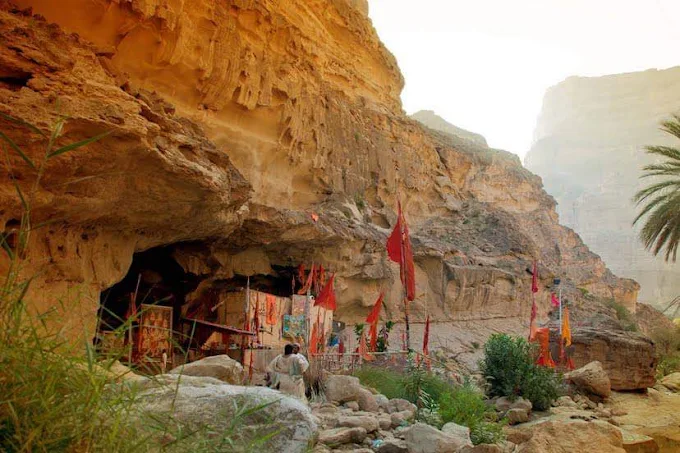
🛕 Lord Devi | 📍 Hinglaj, Lasbela, Balochistan, Pakistan
Hinglaj Mata Shakti Peetha (also revered as Hingula Devi and affectionately known locally as Nani Mandir) is regarded in Shakta Hinduism as one of the foremost and most powerful of the 51 Shakti Peethas. According to sacred Puranic cosmology—detailed in texts such as the Shiva Purana, Devi Bhagavata Purana, and Mahapitha Nirupana—when Lord Vishnu severed the self-immolated corpse of Goddess Sati using the Sudarshana Chakra to halt Lord Shiva's grief-stricken cosmic Tandava, Sati's 'Brahmarandhra' (the crest or crown of the head) fell at this consecrated site. Because the crown represents the seat of highest spiritual illumination and cosmic consciousness (the Sahasrara chakra), Hinglaj is venerated as an exceptional epicenter of divine primordial energy. The presiding manifestation of the Mother is known as Kottari or Mahamaya, and the accompanying protective Bhairava is Bhimalochana. Architecturally unique, the sanctum sanctorum is not a sculpted human-made edifice, but a natural, subterranean mountain cave nestled within the arid limestone bluffs overlooking the sacred Hingol River. Inside, the Goddess is worshipped not through an anthropomorphic idol, but as a swayambhu (self-manifested) sacred stone anointed with bright red vermilion (sindoor). The shrine is also renowned for cross-cultural harmony; local Muslim communities revere the shrine as 'Bibi Nani' and historically assist and safeguard the pilgrims, calling the pilgrimage 'Nani ki Haj'. Furthermore, Hinglaj Mata is worshiped as the supreme Kuldevi (patron ancestral deity) by numerous prominent Indian communities, including Kshatriyas, Brahmakshatriyas, Bhavsars, Charans, and Khatris.
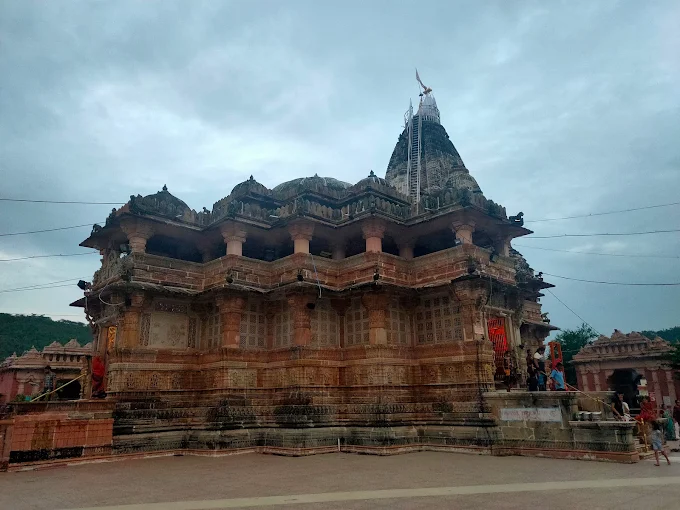
The recorded and traditional history of Hinglaj Mata spans ancient scripture, epic lore, medieval trade routes, and modern administrative evolution. In Hindu epic tradition, it is believed that after defeating the demon king Ravana, Lord Rama undertook an arduous penance journey across the desert to Hinglaj to absolve himself of the sin of Brahmahatya (killing a learned Brahmin), establishing the holy Tir Kundh and Brahma Kundh. Another prominent legend relates to Bhagwan Parashurama: when he waged his campaign against tyrannical Kshatriya rulers, a group of Kshatriyas sought sanctuary in the cave of Mata Hinglaj; the Mother protected them on the condition that they abandon their weapons and embrace peaceful craftmanship, after which they were guided into weaving and trade, forming the progenitor communities of modern Bhavsars and Kshatriya weavers. For millennia, the site—anciently termed 'Marutirtha Hinglaj' (Pilgrimage of the Desert)—was one of the most perilous yatras in South Asia, requiring weeks of walking or camel transit through harsh Makran salt flats and ravines. Historically, kings and ascetics of Rajasthan, Gujarat, and Sindh regularly undertook this pilgrimage. With the partition of India in 1947, the geographic locus of the primeval cavern fell within Lasbela district of Balochistan (Pakistan), creating administrative and border limitations for Indian pilgrims. In response, devotees across India consecrated prominent sacred replica shrines, notably the historic Hinglaj Mata Temple at Ambada in Chhindwara district (Madhya Pradesh), which was established following early 20th-century events around 1907 and is formally documented by the Madhya Pradesh Government as a revered Shaktipeeth shrine. The construction of the modern Makran Coastal Highway (N-10) in 2004 transformed the Balochistan pilgrimage route from a harrowing trek into a viable road journey, enabling the annual Hinglaj Yatra to grow into a massive assembly of over 250,000 pilgrims each spring.
Devotional belief holds that Hinglaj Mata, as the fiercely compassionate mother aspect of Adi Shakti, destroys negative energies, shields against unseen perils, and grants inner fortitude to devotees facing adversity.
Because tradition associates this site with the fall of Sati's Brahmarandhra (crown of the head), Shakta practitioners traditionally believe that meditation here accelerates spiritual focus, intellectual clarity, and awakening of higher consciousness.
Based on the sacred tradition of Lord Rama purifying himself of Brahmahatya dosha at this site, pilgrims hold the firm faith that sincere repentance and worship at Hinglaj dissolves accumulated karmic burdens.
Pilgrims traditionally offer sacred vermilion (sindoor) and coconuts at the shrine with the conviction that the Divine Mother unties chronic deadlocks in livelihood, marriage, health, and family prosperity.
For countless families of Kshatriya, Charan, Bhavsar, and Khatri lineages who worship Hinglaj Mata as their Kuldevi, her darshan is regarded as vital for the well-being, unity, and flourishing of generations.
A vital traditional preparatory rite where pilgrims ascend the sacred bubbling Chandragup mud volcano, make vocal confessions of their wrongdoings, and offer coconuts into the crater before seeking darshan of Hinglaj Mata.
The customary ritual bath taken in the waters of the sacred Hingol (Aghore) River followed by worship of Bhimalochana Bhairava to seek protection and spiritual authorization prior to entering the cavern sanctuary.
The celebrated four-day spring festival held each April, featuring extensive communal havan, 24-hour Akhand Jyot ceremonies, and mass devotional congregations drawn from across the subcontinent.
The annual Hinglaj Mata Tirth Yatra is the foremost festival of the shrine and the largest Hindu pilgrimage gathering in Pakistan, drawing hundreds of thousands of pilgrims across...
Sharad Navratri (Shardiya Navratri) is a major autumn festival observed at the Hinglaj Mata Cave Temple. The celebrations are facilitated by the Pakistan Hindu Mandir Management Co...
📍 506.41 km away
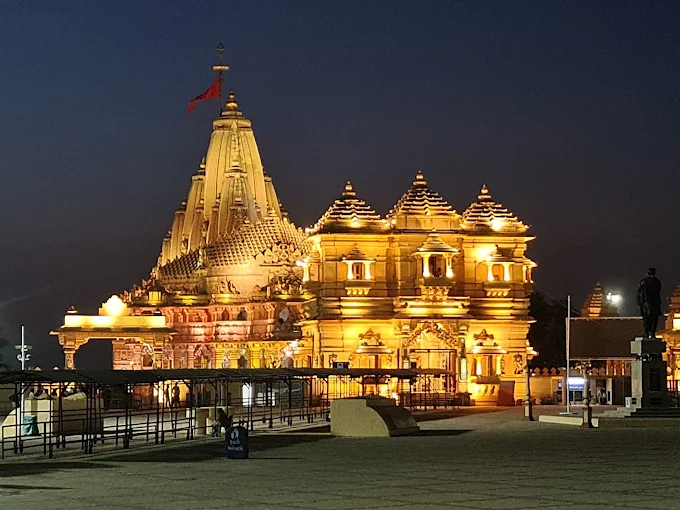
📍 716.60 km away
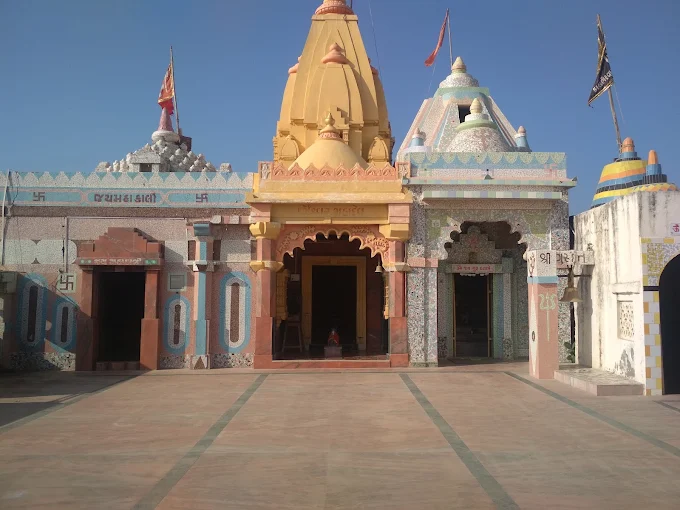
📍 717.54 km away
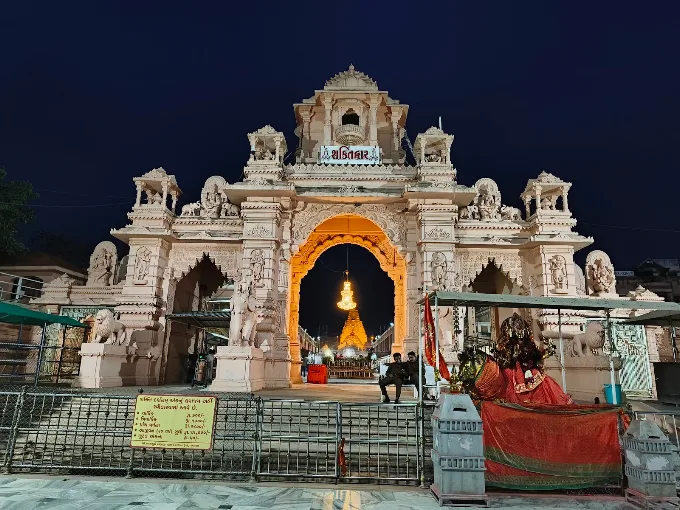
📍 750.79 km away
📍 817.40 km away
📍 837.14 km away
Stays near Hinglaj Hinglaj Mata Shakti Peetha

📍 Near Kurinji Andavar Temple · 2,115.9 km
stayStarting from ₹2,000 / night
Discover more temples you may be interested in
You may also like these temples