☰
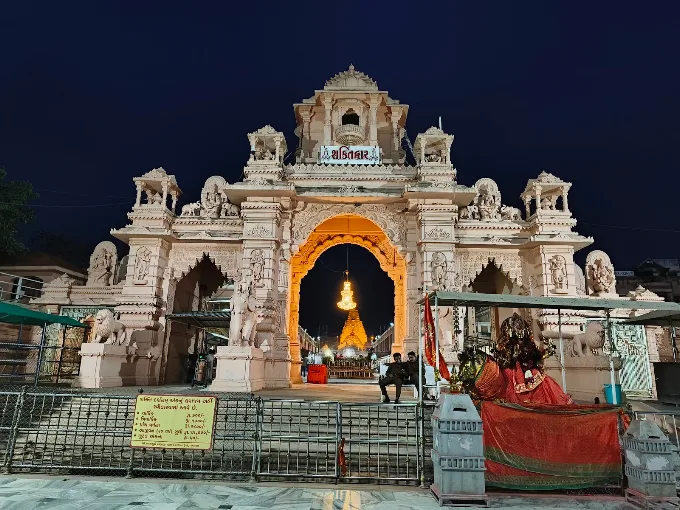
🛕 Lord Devi | 📍 Prabhas Patan, Gir Somnath, Gujarat
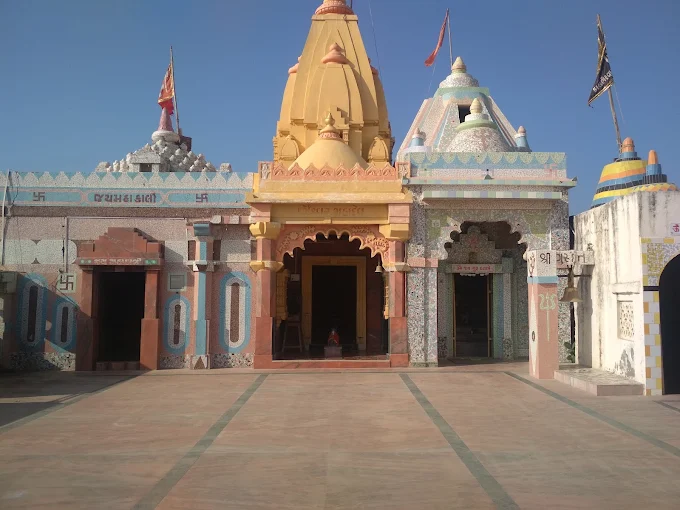
Prabhas Chandrabhaga Shakti Peetha (also widely known as Prabhas Shakti Peeth) is revered as one of the 51 sacred Shakti Peethas in Hindu tradition. According to Shakta lore and Puranic scriptures, this sacred tirtha marks the spot where the abdomen (Udara-bhaga) of Devi Sati fell after her mortal remains were divided by Lord Vishnu's Sudarshana Chakra during Lord Shiva's grief-stricken Rudra Tandava. Within this Peetha, the Divine Mother is worshiped in the form of Maa Chandrabhaga (evoking lunar radiance, purity, and nourishment), while Lord Shiva stands guard as the protective Bhairava under the name Vakratunda (the curved-faced guardian).
The shrine is situated in Prabhas Patan in the Gir Somnath district of Gujarat, directly alongside one of India's most sanctified spiritual landscapes. It shares sacred space with the Somnath Mahadev Temple—the first among the twelve sacred Jyotirlingas of Lord Shiva—and the Triveni Sangam, the holy confluence where the rivers Hiran, Kapila, and the subterranean Saraswati join before flowing into the Arabian Sea. In traditional Shakta and Tantric philosophy, the abdomen represents the bodily center of nourishment, digestion, vitality, and the inner fire (Agni). Consequently, worshiping Maa Chandrabhaga at this coastal confluence is traditionally believed to restore internal energy, alleviate distress, and bestow the twin blessings of Shiva (consciousness) and Shakti (dynamic energy).
The history of Prabhas Kshetra is deeply rooted in both classical Sanskrit literature and the archaeological heritage of the Saurashtra coast.
Traditional and Puranic Heritage:
In scriptures such as the Skanda Purana (Prabhas Khanda), Mahabharata, and Shrimad Bhagavatam, Prabhas Patan is recorded as an exceptionally sacred pilgrimage center since antiquity. The name 'Prabhas' signifies divine luster or splendor. According to legend, Chandra (the Moon God), having lost his radiance due to a curse from Prajapati Daksha, performed rigorous penance at this western shore to propitiate Lord Shiva and bathed in the sacred Saraswati River, thereby regaining his glow. The Jyotirlinga of Somnath and the Shakti Peetha of Chandrabhaga arose as eternal manifestations of this divine event. Furthermore, Prabhas Kshetra holds profound Vaishnava importance as the hallowed land associated with the concluding earthly leelas of Lord Krishna, notably at nearby Bhalka Tirth and Dehotsarga Tirth.
Recorded History and Physical Evolution:
Unlike the grand monumental structure of the adjoining Somnath Temple—which witnessed extensive historical documentation, repeated foreign destructions beginning with Mahmud of Ghazni in 1026 CE, and subsequent historic restorations by Chaulukya monarchs, Queen Ahilyabai Holkar, and post-Independence leaders under Sardar Vallabhbhai Patel—the Chandrabhaga Shakti Peetha followed a more understated physical history. Archaeological and local historical traditions record that an ancient shrine dedicated to Devi Chandrabhaga stood near the river confluence in ancient times. Following centuries of coastal conflicts and destruction, the ancient superstructure deteriorated into an elevated open plinth or platform. Today, the sacred presence is enshrined in a modest, tranquil temple complex situated behind the Shri Ram Mandir of the Somnath Trust and adjacent to Harihar Van along the Triveni Sangam embankment, where traditional worship continues uninterrupted.
According to devout Hindu belief, performing sincere prayers at the sacred confluence of Prabhas where Sati's remains fell cleanses devotees of past karmas and spiritual impurities.
As the sacred repository of Sati's abdomen (Udara), traditional tradition holds that the Mother blesses devotees with relief from chronic digestive or abdominal ailments and grants physical vitality.
Devotees, particularly newly married couples, seek the blessings of Devi Chandrabhaga for lasting marital harmony, fertility, and peace in domestic life.
The presence of Lord Shiva as Vakratunda Bhairava alongside the Goddess is traditionally believed to create a protective shield against malevolent influences, fears, and psychic disturbances.
Associated with the Puranic revival of Chandra Dev's brilliance, offering worship here is believed to dispel depression, confusion, and grief, bringing clarity and calm to the mind.
Special nine-day intensive worship during Chaitra and Sharad Navratri, featuring sacred kumkum archana, recitations of Durga Saptashati, and ceremonial offerings.
Traditional night-long worship on Mahashivratri honoring both the Shakti Peetha of Chandrabhaga and Lord Shiva as Vakratunda Bhairava.
Special rituals and mustard oil lamp offerings conducted in honor of Vakratunda Bhairava, the guardian deity of the Prabhas Shakti Peetha.
Devotional practice where pilgrims take a sacred dip at the confluence of the three rivers and offer traditional red chunri, coconuts, and flowers to the Mother.
No festivals available.
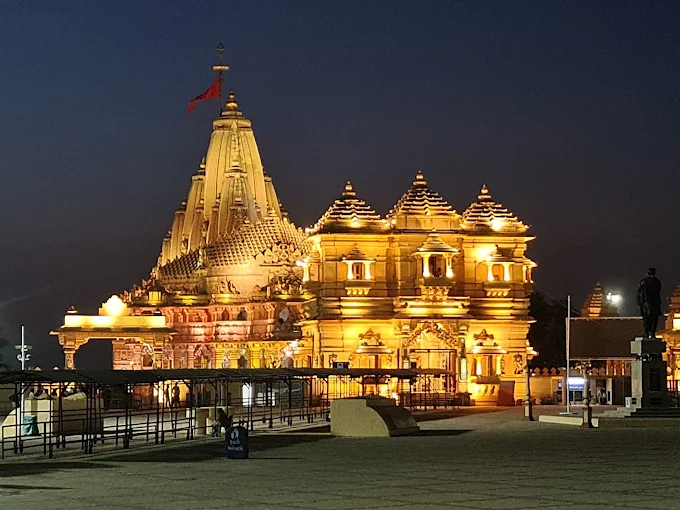
📍 0.99 km away
📍 211.60 km away
📍 342.05 km away
📍 368.02 km away
📍 383.79 km away
📍 458.36 km away
Stays near Prabhas Chandrabhaga Shakti Peetha

📍 Near Kurinji Andavar Temple · 1,405.0 km
stayStarting from ₹2,000 / night
Discover more temples you may be interested in
You may also like these temples