☰
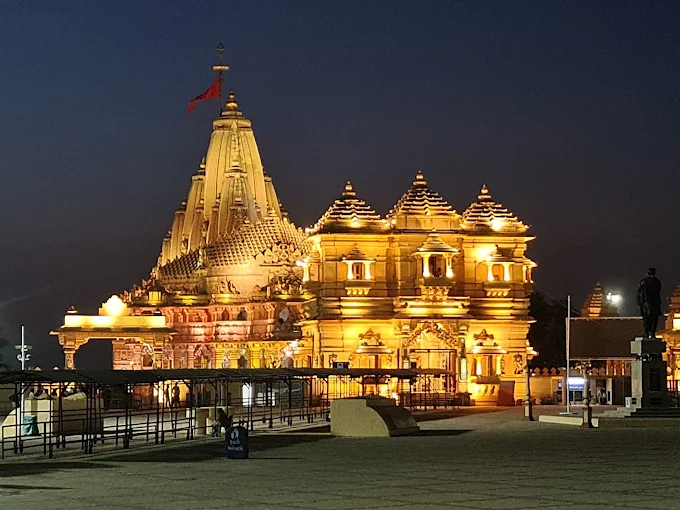
🛕 Lord Shiva | 📍 Prabhas Patan, Gir Somnath, Gujarat
Somnath Temple, located at Prabhas Patan near Veraval on the western coast of Gujarat, is universally revered as the first (Prathama Aadi Jyotirlinga) among the twelve sacred Jyotirlinga shrines dedicated to Lord Shiva across India. Traditional Hindu scriptures, notably the Skanda Purana and the Shiva Purana, recount the mythological origin of this sacred site: Chandra Dev (the Moon God, Soma), cursed by his father-in-law Daksha Prajapati to wane and lose his divine luster due to neglect of his other wives in favor of Rohini, performed severe penance here to Lord Shiva. Compassionate Lord Shiva appeared, alleviated the curse, and permitted Chandra to wax and wane cyclically, thus restoring his illumination. In profound gratitude, Chandra is traditionally believed to have erected the original golden temple dedicated to Lord Shiva as 'Somnath' (the Lord and Protector of the Moon). Prabhas Patan is also uniquely celebrated as the sacred confluence (Triveni Sangam) where the rivers Hiran, Kapila, and the mythical Saraswati merge into the Arabian Sea, as well as the adjoining Bhalka Tirth and Dehotsarg Tirth, where according to traditional Mahabharata and Bhagavata lore, Lord Krishna completed his earthly incarnation and departed for his divine abode (Neejdham). A distinctive architectural feature within the temple compound is the ancient Baan Stambh (Arrow Pillar), pointing toward the Southern Ocean, which bears an inscription stating that an unimpeded water route exists directly from that point across the globe to Antarctica without any landmass intervening. Revered across generations as the 'Eternal Shrine' (The Shrine Eternal), Somnath embodies unyielding spiritual endurance and national resilience.
The recorded and material history of Somnath Temple reflects over a millennium of turbulent geopolitical upheavals, repeated destructions, and resilient reconstructions along the western maritime frontier of India. Early historical references and archaeological surveys indicate that stone and brick shrines existed at this coastal site from the early centuries of the Common Era, sustained by successive regional dynasties including the Maitrakas of Vallabhi and the Chavdas. In the 10th and 11th centuries, the Chaulukya (Solanki) dynasty patronized the site extensively. In January 1026 CE (often recorded as 1024–1026 CE), Sultan Mahmud of Ghazni attacked Prabhas Patan, sacking the rich temple, looting its treasuries, and desecrating the primary sanctum. Following Ghazni's withdrawal, King Bhima I of the Chaulukya dynasty, along with Paramara King Bhoja of Malwa, undertook extensive restorations. In the 12th century, Chaulukya monarch Kumarapala rebuilt the temple into a majestic stone structure under the guidance of the renowned Jain scholar Hemachandra. In 1299 CE, the armies of Alauddin Khalji, led by Ulugh Khan, sacked the temple anew, leading to its repair by the Chudasama ruler Mahipala Deva in 1308 CE. Later centuries witnessed further military raids, including invasions by the Gujarat Sultanate rulers Zafar Khan and Mahmud Begada in the 14th and 15th centuries, followed by imperial demolition decrees issued under Mughal Emperor Aurangzeb in the late 17th and early 18th centuries (notably in 1665 and 1706 CE). In 1783 CE, the pious Maratha queen Maharani Ahilyabai Holkar of Indore, recognizing that worship at the ruins was disrupted, constructed a new subterranean Somnath temple adjacent to the ancient site to safeguard ritual sanctity. Following Indian Independence in 1947, Deputy Prime Minister Sardar Vallabhbhai Patel visited Prabhas Patan and resolved that the historic national shrine must be rebuilt to its original grandeur. The reconstruction in the classic Maru-Gurjara architectural style was executed under the aegis of the newly formed Shree Somnath Trust and guided by scholar K. M. Munshi. On May 11, 1951, Dr. Rajendra Prasad, the first President of India, formally conducted the historic Pran-Pratishtha (sacred consecration) of the Jyotirlinga in the newly constructed sanctum.
Devotees traditionally believe that praying to Somnath Mahadev relieves individuals of past moral faults and counteracts malefic astrological influences associated with the Moon (Chandra Dosha), reflecting how Soma was freed from his curse.
As the deity linked to the ruler of the human mind (Chandra), worshiping Lord Somnath is traditionally sought for relieving depression, anxiety, emotional disturbances, and achieving inner mental tranquility.
Due to its sacred location at the Triveni Sangam, performing rituals, Dhwajarohan, and prayer here is devoutly held to bestow spiritual liberation (Moksha) upon deceased ancestors across generations.
Chanting the Maha Mrityunjaya Mantra and offering abhishekam to the Aadi Jyotirlinga is traditionally performed to seek protection from severe illnesses and premature mortality.
Devotees regularly sponsor special Mahapoojas and archana at the sanctum with the traditional devotional belief that sincere righteous aspirations, family harmony, and righteous endeavors are blessed with fruition.
A sacred ritualistic offering of holy Ganga water to Lord Somnath Mahadev for spiritual purification and mental peace, bookable via Shree Somnath Trust.
A traditional Vedic bathing ritual performed by Trust priests with recitation of the sacred Sri Rudram hymns for auspiciousness and well-being.
Chanting of 500 Maha Mrityunjaya mantras by temple priests on behalf of the devotee for good health, longevity, and warding off misfortune.
An elaborate, comprehensive special pooja performed in the direct presence of the devotee with Panchamrit and sacred offerings for peace of mind and wish-fulfillment.
The auspicious offering and hoisting of the sacred silk victory flag atop the high spire (shikhara) of the Somnath temple, traditionally performed for ancestral welfare and family prosperity.
A traditional group recitation of 11 recitations of the Rudra Sukta by Vedic scholars for the spiritual elevation of the family and inner peace.
A month-long period of intensive religious observances during the holy Hindu month of Shravan (observed per the regional Amanta calendar in Gujarat). The trust conducts the 30-day...
An annual festival organized by Shree Somnath Trust at the associated Golokdham Tirth (Dehotsarg Tirth) situated along the Triveni Sangam. The observance marks the tradition of Bha...
A traditional five-day public fair (Lokmela) and religious festival celebrated annually around the Kartik Purnima full moon, organized continuously by the Shree Somnath Trust since...
The preeminent annual festival celebrated at Somnath, recognized in Shaivite tradition as the first among the twelve Jyotirlingas. Celebrations feature continuous temple darshan sp...
An annual institutional and religious observance commemorating the historic Pran Pratishtha (re-consecration) of the modern Somnath Temple, conducted on May 11, 1951, by the first...
📍 0.99 km away
📍 210.68 km away
📍 343.01 km away
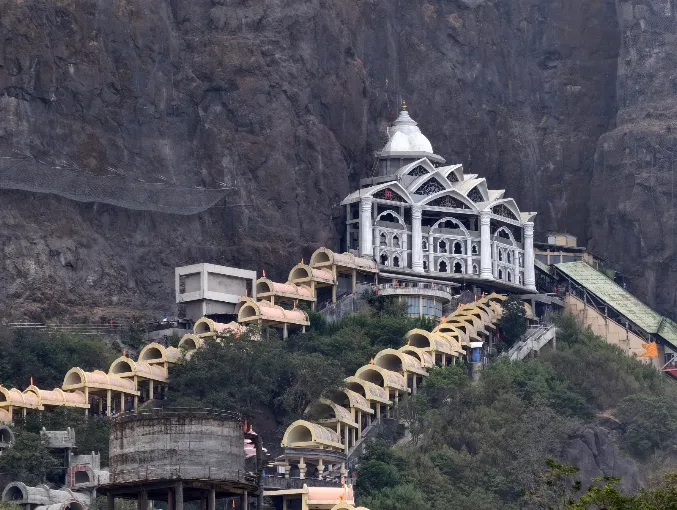
📍 368.94 km away
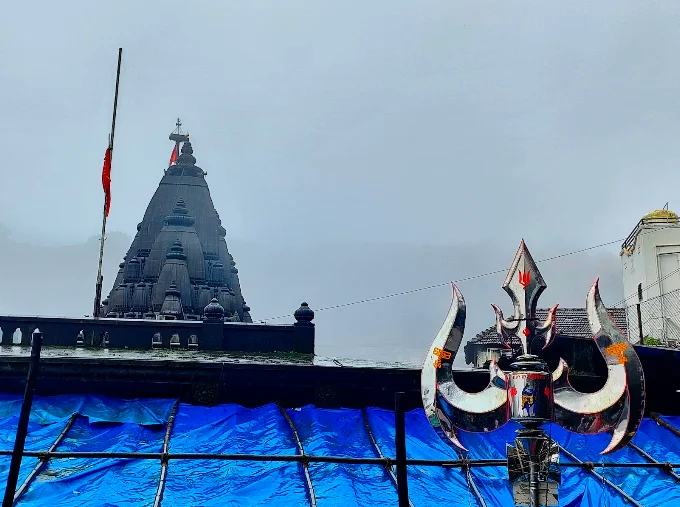
📍 384.78 km away
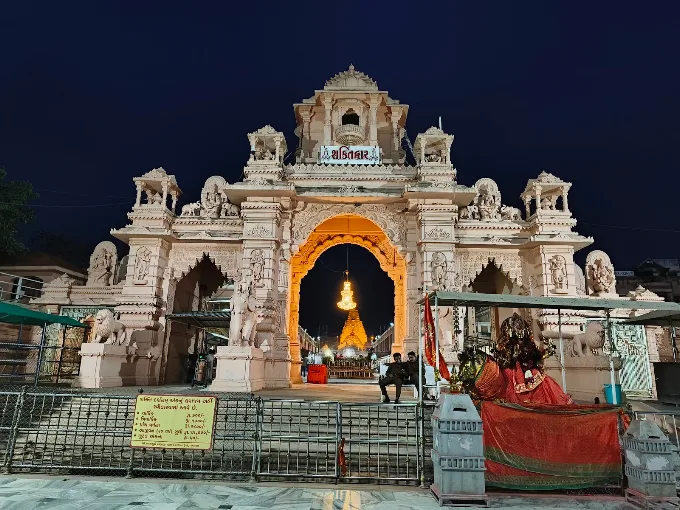
📍 458.42 km away
Stays near Somnath Jyotirlinga Temple

📍 Near Kurinji Andavar Temple · 1,405.8 km
stayStarting from ₹2,000 / night
Discover more temples you may be interested in
You may also like these temples