☰
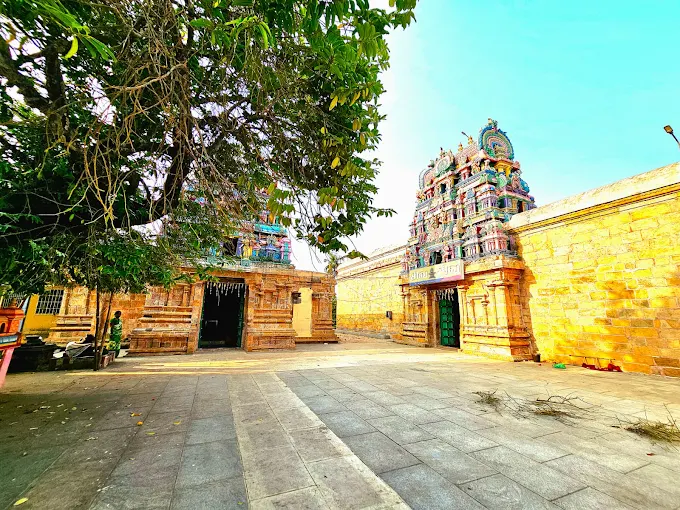
🛕 Lord Shiva | 📍 Thirumanancheri, Mayiladuthurai, Tamil Nadu
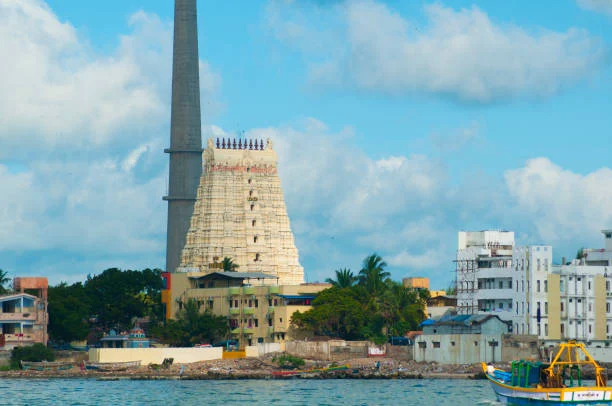
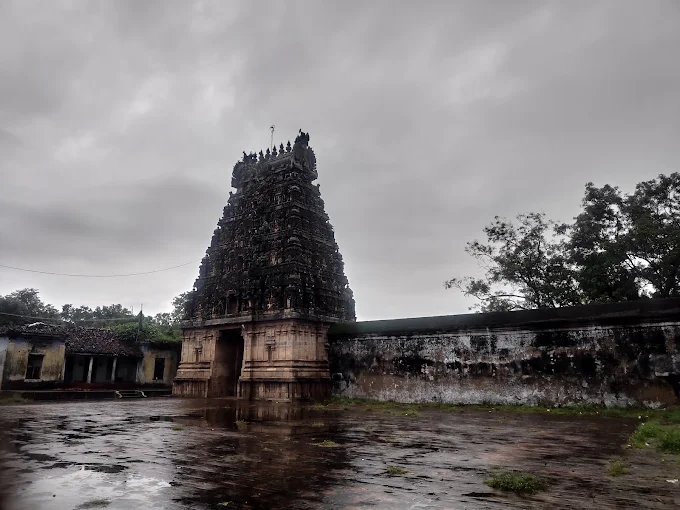
Kalyana Sundareswarar Temple (officially designated as Arulmigu Uthvaganatha Swamy Temple) in Thirumanancheri is among the most venerated Shaivite pilgrimage shrines in Tamil Nadu. Revered as the 25th Paadal Petra Sthalam on the northern bank of the River Kaveri in the historical Chola Nadu, the temple was sanctified in the 7th-century CE devotional hymns (Tevaram) composed by the renowned Saiva saints Thirugnanasambandar and Appar (Thirunavukkarasar). The presiding deity is Lord Shiva, worshipped in the sanctum sanctorum as a Svayambhu (self-manifested) Lingam under the name Udhvaganathar (also extolled as Arulvallal Nathar, Kalyana Sundareswarar, and Sonavaru Arivar). His divine consort, Goddess Parvati, is worshipped as Kokilambal (Kokilavani). According to traditional sacred beliefs, Thirumanancheri is the sacred earth-plane where the celestial wedding of Lord Shiva and Goddess Parvati was solemnised in earthly human tradition. Legend holds that Lord Vishnu acted as the bride's brother performing the Kanyadanam ritual, while Lord Brahma officiated as the chief priest. A major spiritual and iconographic highlight of the temple is the bronze Utsava Murti of Kalyanasundareswarar and Kokilambal in their wedding posture (Kalyana Kolam), uniquely portrayed holding hands, with Goddess Kokilambal bowing her head slightly in bridal modesty. Thirumanancheri is celebrated across India as the foremost remedial destination (Parihara Sthalam) for mitigating delays in marriage, dissolving Vivaha Doshas (marital afflictions such as Kalathra Dosha and Sevvai/Kuja Dosha), and fostering marital harmony and fertility.
The history of the Kalyana Sundareswarar Temple encompasses documented epigraphical heritage as well as centuries-old religious traditions: Epigraphical and Architectural History: Historical evidence from epigraphical surveys indicates that the temple preserves stone inscriptions from the Imperial Chola dynasty. At least five inscriptions have been officially catalogued on the stone walls of the temple, comprising two inscriptions from the 4th regnal year of Parantaka Chola I (circa 911 CE) and three inscriptions belonging to the reign of Rajaraja Chola I (985–1014 CE). The literary mention in the Tevaram hymns of Saint Appar and Saint Sambandar establishes that a shrine existed at this site prior to or during the 7th century CE, originally built of brick. During the 10th-century Early Chola period, under the royal patronage of the devout Chola queen-mother Sembiyan Mahadevi (the queen consort of Gandaraditya Chola) and King Parantaka I, several brick temples in the Kaveri river basin were systematically reconstructed into enduring granite stone structures (Kattrali), including Thirumanancheri. The majestic five-tiered eastern Rajagopuram and adjacent mandapams witnessed subsequent structural additions and renovations during the Nayaka period, historically associated with regional rulers such as Mallappa Nayakkar. Traditional Mythological History: According to the Sthala Purana (sacred lore), Goddess Parvati expressed a deep wish to experience an earthly wedding with Lord Shiva adhering to worldly rituals. During a game of dice (Chokkattan) in Mount Kailash, a divine disagreement arose, leading to Parvati descending to earth in the form of a cow. Lord Vishnu assumed the form of a cowherd brother to protect her at Therazhundur. At Thiruvaduthurai, she was absolved of the cow form and bathed in the sacred waters of the Kaveri. She then manifested in the sacrificial fire of Sage Bharata Muni at Kuthalam, who lovingly raised her as his foster daughter. When Lord Shiva arrived to fulfil his promise (hence earning the title 'Sonavaru Arivar'—the One who kept His word), Sage Bharata Muni warmly received Him at Ethirkolpadi, conducted preliminary marriage fire rituals at Velvikkudi, and solemnised their sacred wedding at this village, which came to be known as Thirumanancheri ('Thirumanam' meaning sacred wedlock and 'cheri' meaning settlement).
According to traditional faith, unmarried individuals who perform the sacred Kalyana Archana and garland ceremony at the Kalyanasundareswarar shrine are relieved of Vivaha Doshas (astrological delays, Sevvai Dosha, Kalathra Dosha) and are blessed with a suitable life partner.
Devotional belief holds that childless couples who pray at the Mangala Rahu shrine on New Moon (Amavasya) days and make offerings of milk payasam are granted relief from Putra Doshas and blessed with healthy children.
It is traditionally believed that married couples facing discord, misunderstandings, or separation who pray together to Lord Kalyanasundareswarar experience reconciliation, long-lasting peace, and emotional bonding.
Devotees believe that performing abhishekams and archanas at this Sthalam pacifies negative astrological effects associated with Rahu-Ketu and unfavorable birth stars (Nakshatrams).
Signature parihara ritual conducted at the Kalyanasundareswarar sanctum where unmarried devotees offer two garlands, coconuts, and deepams; one sanctified garland and lemon prasadam are returned to the devotee to take home.
Special holy ablution (abhishekam) performed exclusively for Goddess Kokilambal in the morning hours invoking health, prosperity, and auspiciousness.
Traditional offering of sweet milk payasam conducted on monthly Amavasya (New Moon) days at the Mangala Rahu shrine by couples praying for progeny (Putra Dosha Nivarthi).
Sacred fire ritual and special holy ablution performed on auspicious dates such as Poosam Nakshatram and Sankatahara Chaturthi for universal well-being and marital grace.
No festivals available.

📍 3.24 km away

📍 4.19 km away

📍 4.31 km away
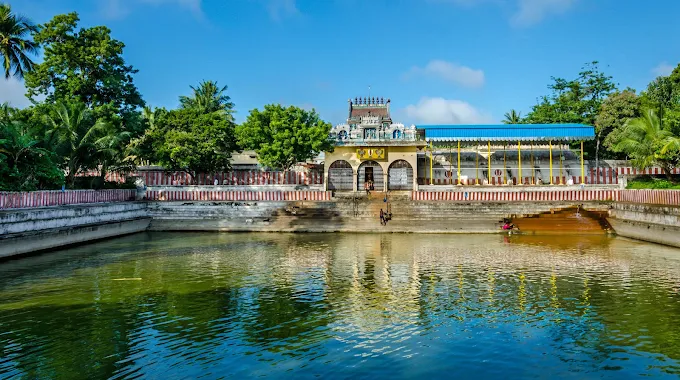
📍 6.80 km away

📍 6.84 km away
📍 7.06 km away
Stays near Kalyana Sundareswarar Temple, Thirumanancheri

📍 Near Kurinji Andavar Temple · 247.0 km
stayStarting from ₹2,000 / night
Discover more temples you may be interested in
You may also like these temples