☰
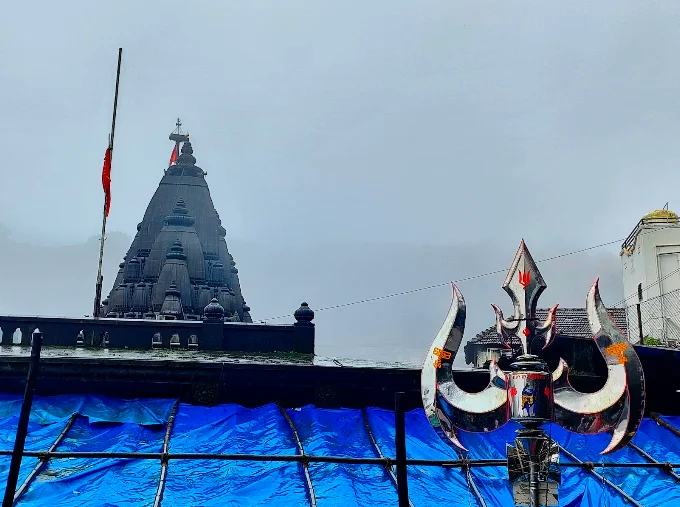
🛕 Lord Shiva | 📍 Bhimashankar, Pune, Maharashtra
Bhimashankar Temple is revered as the sixth of the twelve sacred Jyotirlingas of Lord Shiva in Hindu tradition. Situated at an elevation of approximately 3,250 feet (around 1,000 meters) in the Sahyadri range of the Western Ghats near Pune, Maharashtra, the shrine holds profound religious, geographic, and ecological importance. It is uniquely situated inside the Bhimashankar Wildlife Sanctuary, making it the only Jyotirlinga located within an officially protected wildlife reserve.
According to Hindu sacred geography, the temple marks the sacred origin of the Bhima River, which later flows through Maharashtra and Karnataka and is celebrated as the Chandrabhaga at the holy pilgrimage city of Pandharpur before merging with the Krishna River. The Jyotirlinga itself is a Swayambhu (self-manifested) lingam positioned below the level of the assembly hall floor inside a subterranean sanctum sanctorum. A continuous stream of subterranean water naturally emerges from the base of the lingam, which devotees revere as the divine sweat of Shiva transformed into holy springs.
The deity is also revered in the form of Ardhanarishvara (half-male, half-female), embodying the cosmic union of Shiva and Shakti. Within the same sacred complex stands the shrine of Goddess Kamalaja Mata, an incarnation of Parvati who aided Lord Shiva in the battle against cosmic evil. Devotees believe that visiting Bhimashankar purges negative karma, bestows spiritual liberation, and grants divine protection from untimely harm.
Historical facts and religious traditions regarding Bhimashankar present two distinct facets of its heritage:
1. Traditional and Puranic Lore:
As narrated in the Shiva Purana (Koti Rudra Samhita), the region was once terrorized by the demon Bhima, born to Kumbhakarna and the demoness Karkati. Upon discovering that his father had been slain by Lord Rama, Bhima performed severe penance to Lord Brahma and obtained invincibility. He conquered the celestial realms and imprisoned king Kamarupeshwar (or Sudakshina), an ardent Shiva devotee. When Bhima raised his sword to strike down the earthen Shiva Linga worshipped by the imprisoned king, Lord Shiva manifested from the lingam as a colossal pillar of cosmic light (Jyotirlinga) and incinerated the demon to ashes with the sacred word 'Humkara'. At the prayer of the gods and sages, Shiva agreed to reside permanently at this forest ridge under the name Bhimashankar. The perspiration that poured from Shiva's body during this apocalyptic battle is believed to have manifested as the perennial Bhima River.
2. Recorded Architectural History:
The core stone sanctum sanctorum of the Bhimashankar temple is built in the traditional Hemadpanthi architectural style, historically attributed to the Yadava dynasty of Devagiri around the 13th to 14th century. The temple exhibits intricate Nagara-style stone carvings. In the 18th century, prominent Maratha statesman and diplomat Nana Phadnavis (Balaji Janardan Bhanu) spearheaded massive renovations, financing the construction of the large stone Sabhamandap (assembly hall), the elaborately tiered stone Shikhara (spire), and paved stone access routes. Another prominent historical artifact in the temple courtyard is a massive Roman Catholic bell featuring an engraving of Jesus and Mary; this bell was captured from the Portuguese at the Battle of Vasai in 1739 and dedicated to the temple by Chimaji Appa, brother of Peshwa Baji Rao I.
According to the Shiva Purana, taking darshan of the Bhimashankar Jyotirlinga and meditating upon it is traditionally believed to cleanse sins accumulated across lifetimes and purify the mind.
As the conqueror of death who vanquished demon Bhima to protect his devotee, Lord Shiva at Bhimashankar is believed to grant longevity, good health, and freedom from sudden dangers or existential fear.
Due to the presence of Shiva in Ardhanarishvara form alongside Goddess Kamalaja Mata, devotees traditionally pray here for peace in domestic life, marital harmony, and removal of obstacles in marriage.
Performing Rudrabhishek at this sacred forest origin of the Bhima River is held by tradition to awaken inner awareness, calm planetary afflictions, and guide the spiritual seeker toward liberation.
Basic ritual abhishekam performed by priests on behalf of the devotee with holy water, bilva leaves, and Vedic mantras.
Sacred ceremonial bath performed upon the Jyotirlinga accompanied by chanting of the Namakam and Chamakam from the Krishna Yajurveda.
Special abhishekam offering five sacred substances (milk, curd, ghee, honey, and sugar) along with complete Sri Rudram recitations.
Elaborate Shodashopachara worship including extensive floral adornment (Shringar), specialized panchamrut snan, and dedicated royal food offering.
High-order Vedic ritual involving eleven recitations of the Sri Rudram along with sacred oblations for peace, health, and spiritual upliftment.
Celebrated annually following Gudi Padwa during the month of Chaitra, this week-long festival includes non-stop devotional chanting (Akhand Harinam Saptah) alongside Santat Jaladha...
The holy month of Shravan (observed under the Amanta calendar in Maharashtra) is a premier pilgrimage period at Bhimashankar. Devotees and Kanwariyas journey on foot carrying holy...
Tripurari Poornima is an annual festival celebrated at Bhimashankar Temple across Vaikunth Chaturdashi and Kartik Purnima. According to religious tradition, Lord Shiva assumed the...
Maha Shivratri Yatra is the most prominent annual festival celebrated at Bhimashankar Jyotirlinga, taking place during the dark fortnight (Krishna Paksha) of the Hindu month of Mag...
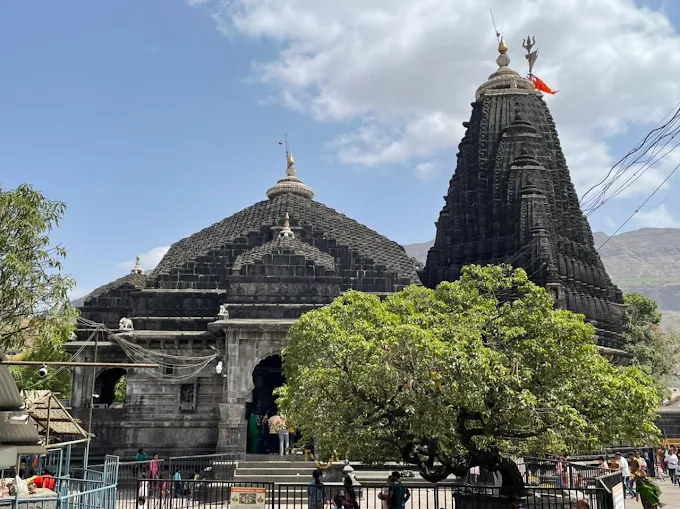
📍 95.63 km away
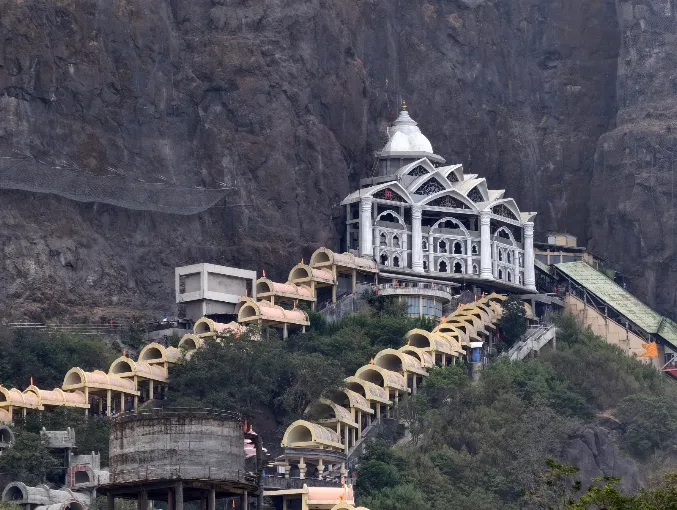
📍 151.75 km away
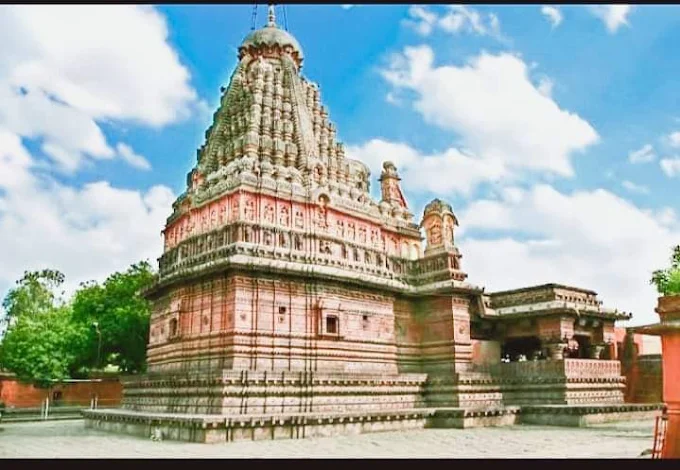
📍 201.34 km away
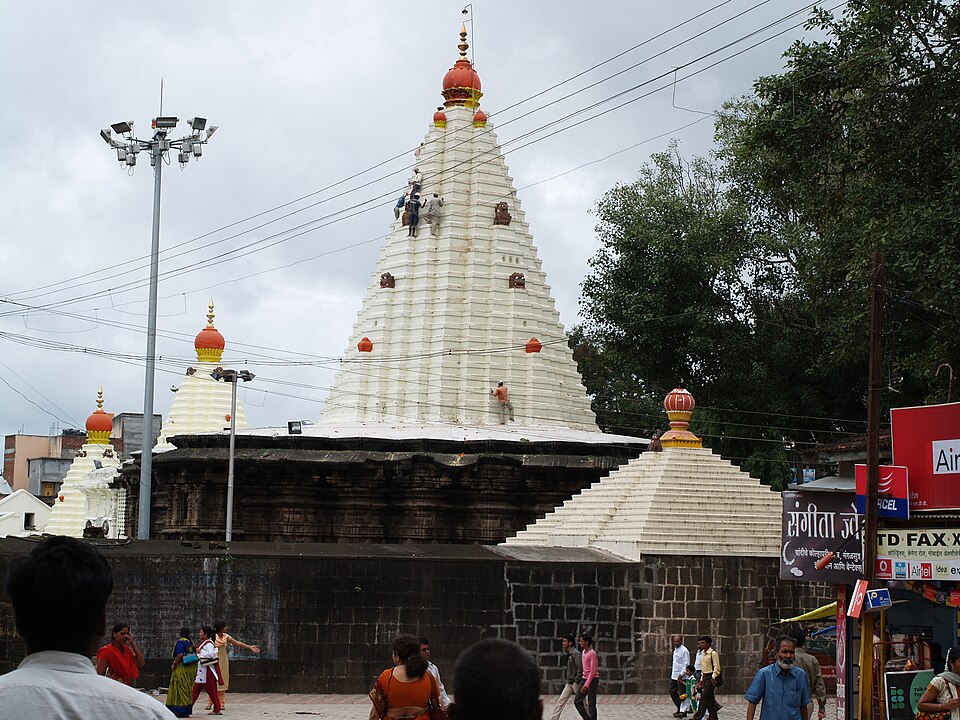
📍 274.15 km away
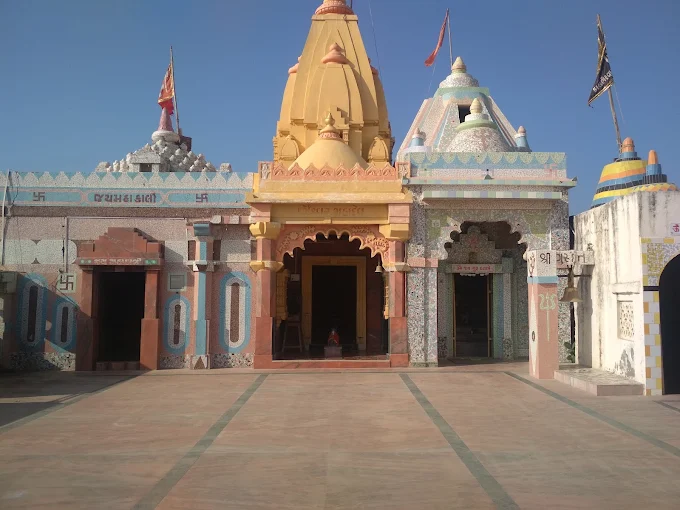
📍 383.79 km away
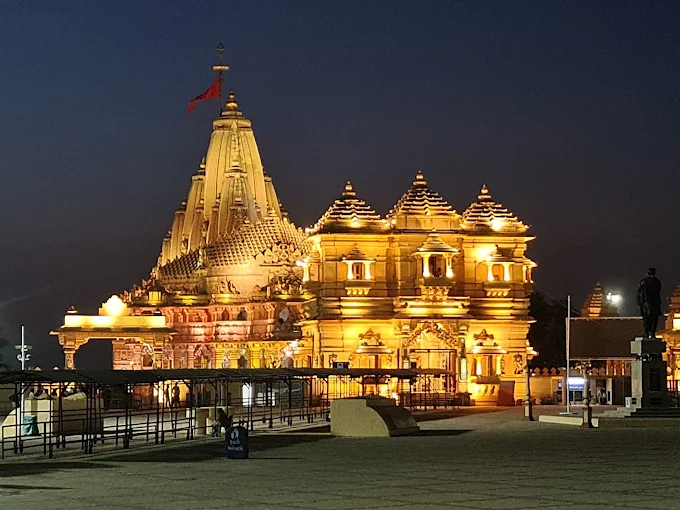
📍 384.78 km away
Stays near Bhimashankar Temple

📍 Near Kurinji Andavar Temple · 1,070.1 km
stayStarting from ₹2,000 / night
Discover more temples you may be interested in
You may also like these temples