☰
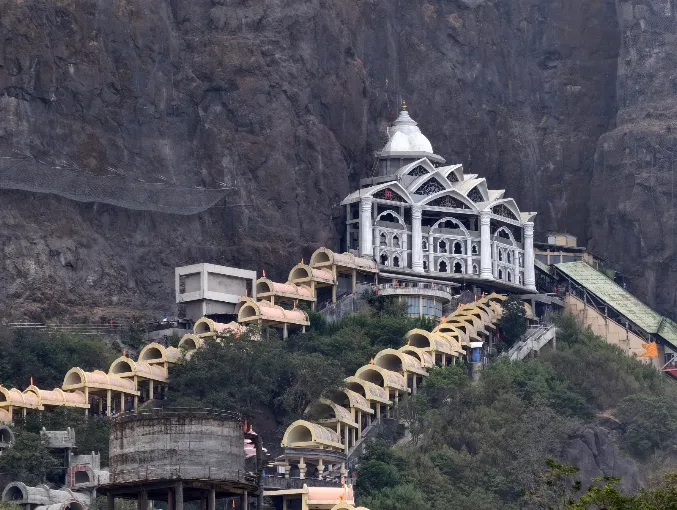
🛕 Lord Devi | 📍 Vani, Saptashrungi Gad, Nashik, Maharashtra
Janasthana Bhramari Shakti Peetha holds a sanctified position among the 51 classical Shakti Peethas described in ancient Shakta texts such as the Tantra Chudamani and the Peetha Nirnaya. According to sacred tradition, when Lord Shiva performed the cosmic dance of destruction carrying the lifeless body of Goddess Sati, Lord Vishnu released his Sudarshana Chakra to dismember her remains. The chin ('Chibukam') of Devi Sati is believed to have fallen in the sacred realm of Janasthana. In Shakta iconography, the presiding Shakti of this Peetha is worshipped as Goddess Bhramari (the supreme deity manifested with divine cosmic vibrations and surrounded by bees), while her protective Bhairava consort is venerated as Vikritaksha (or Sarvasiddhisha).
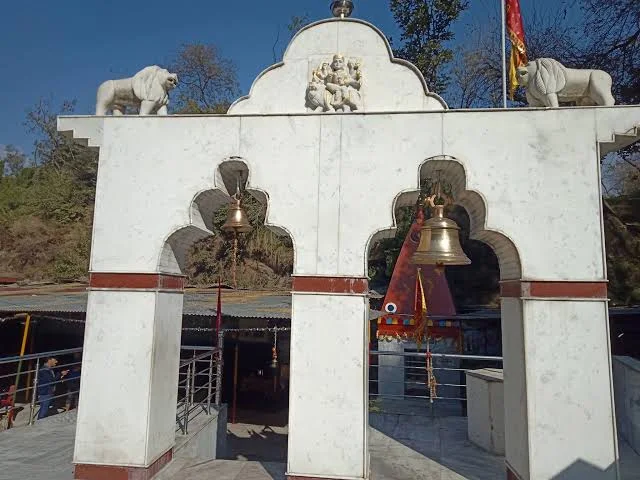
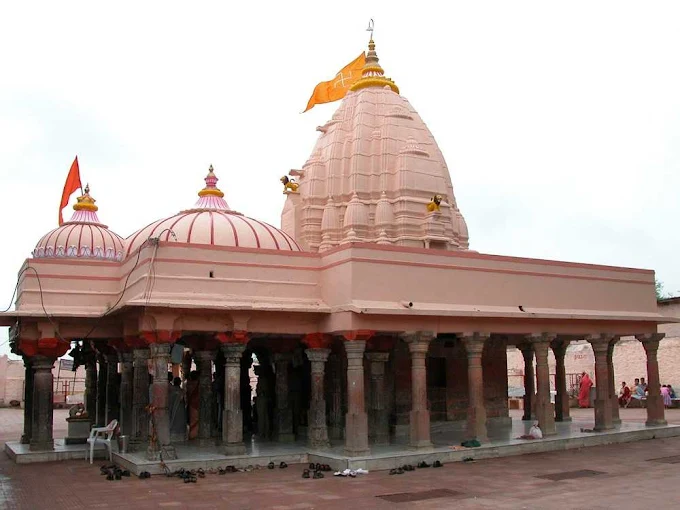
Geographically and culturally, the ancient territory of Janasthana encompasses the Dandakaranya forest basin along the Godavari River, centered in the Nashik region of Maharashtra. In regional pilgrimage tradition, the physical embodiment and primary seat of this Peetha is revered at Shree Saptashrungi Gad near Vani (Kalwan taluka, Nashik district). Perched at an altitude of approximately 1,230 meters among seven majestic Sahyadri mountain peaks, Goddess Saptashrungi Nivasini is venerated as a 10-foot-tall, natural rock-carved (swayambhu) deity with 18 arms holding celestial weapons. She is revered simultaneously as the Janasthana Bhramari Peetha and as the revered 'Ardha' (half) Peetha among Maharashtra's sacred 'Sade Teen' (three and a half) Shakti Peethas. Additionally, the historic Panchavati zone in Nashik city, associated with the Godavari riverbanks and the Bhadrakali shrine, represents the urban pilgrim hub honoring the ancient memory of Janasthana.
The history of Janasthana as a sacred geography is deeply rooted in ancient Indian epics and medieval regional chronicles. In the Valmiki Ramayana, Janasthana was recorded as an outpost of the Dandakaranya forest where Lord Rama, Sita, and Lakshmana spent a significant part of their exile, and where the Godavari river served as a sanctuary for ancient Vedic sages. Sage Markandeya is traditionally believed to have performed austere penances on the hill directly opposite Saptashrungi, where he meditated and recited hymns in devotion to the Divine Mother, giving rise to portions of the Durga Saptashati (Devi Mahatmya).
Historically, the rock-cut relief of Goddess Saptashrungi is considered centuries old, carved into the sheer basalt face of the Sahyadri range. The shrine gained substantial historical patronage during the Yadava dynasty of Devagiri and subsequently under the Maratha Empire. Chhatrapati Shivaji Maharaj, along with the Peshwas of Pune and regional Maratha sardars, held deep reverence for the goddess as a Kuldaivat (family guardian deity). Historical records document that the steep flight of approximately 510 stone steps cut into the hill slope was commissioned in 1710 CE by Umabai Dabhade, wife of Senapati Khanderao Dabhade, to facilitate pilgrimage for devotees.
Over the 20th and 21st centuries, the management and infrastructure of the hill shrine were institutionalized under the Shree Saptashrung Niwasini Devi Trust. To protect the colossal self-manifested deity, modern conservation work was carried out with expert guidance to remove accumulated layers of vermilion (sindoor), safely exposing the original basalt iconography. Modern infrastructural enhancements include a dedicated funicular ropeway system inaugurated to provide swift and safe transit up the steep mountain face, multi-story queuing complexes, extensive pilgrim dormitories, and broad access roads connecting the remote hillock to Nashik and beyond.
Devotees traditionally worship Goddess Bhramari and Saptashrungi Nivasini, holding eighteen celestial weapons, to seek divine shielding against external hardships, negativity, and sudden life obstacles.
As a core Shakti Peetha charged with the primordial sound energy of Bhramari, traditional belief holds that meditating upon the Goddess aids in kundalini balance and mental perseverance.
Pilgrims from across Maharashtra and Gujarat undertake pilgrimages and offer traditional 'Ooti' (sari and blouse piece) to pray for the well-being, longevity, and overall prosperity of their households.
In regional belief, childless couples visit during the Chaitrotsav festival to take sacred vows ('Navas') before the Goddess, praying for healthy progeny.
A special personalized abhishek ritual performed on behalf of individual devotees or families with sanctified panchamrit and recitations; arranged directly via the Devasthan trust office.
A devotional ceremony where a sacred ceremonial silk Paithani or Shalu saree is formally presented and draped upon the Goddess; reservation and receipt are handled by the temple trust superintendent.
A revered Maharashtrian Shakta ritual wherein devotees offer a blouse piece, coconut, betel leaves, unbroken rice, turmeric, and kumkum to honor the Divine Mother.
Chanting of the complete 700 verses of the Devi Mahatmya by temple priests on auspicious festival dates to invoke divine intervention and peace.
Chaitrotsav is the largest annual pilgrimage festival of Shree Saptashrungi Nivasini Devi. The fair commences around Rama Navami and reaches its peak on Chaitra Purnima. A notable...
Ashwin Navratrotsav is one of the premier annual festivals celebrated at the Saptashrungi hill shrine (traditionally identified with the Janasthana Bhramari Shakti Peetha). The nin...
Celebrated on the full moon night of the Hindu month of Ashwin, Kojagiri Pournima (Sharad Purnima) holds special prominence at Saptashrungi Gad. Devotees participate in night-long...
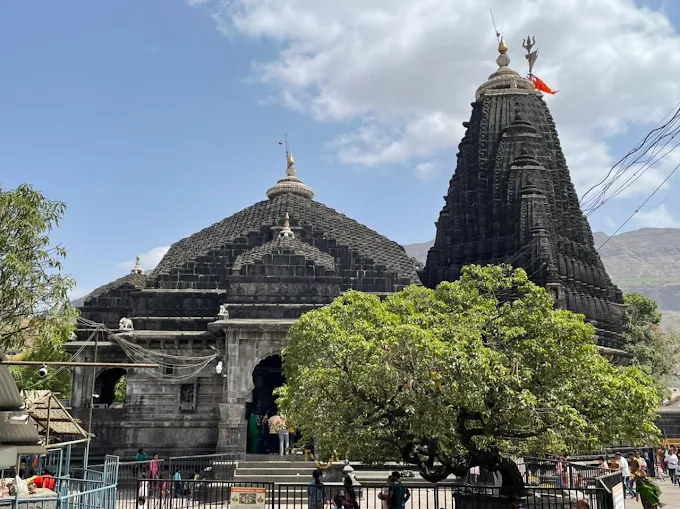
📍 64.42 km away
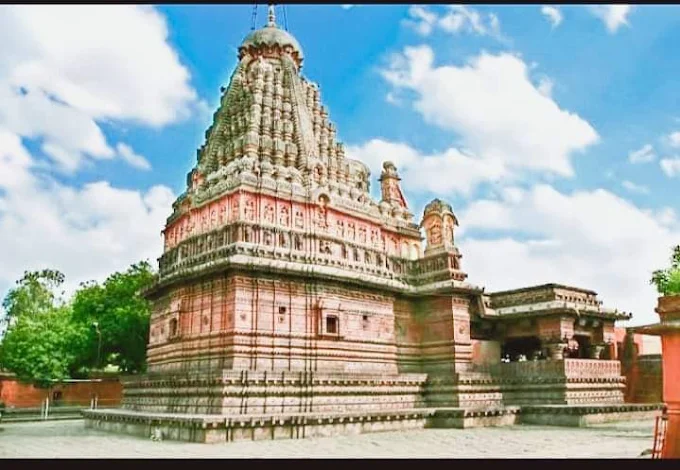
📍 137.95 km away
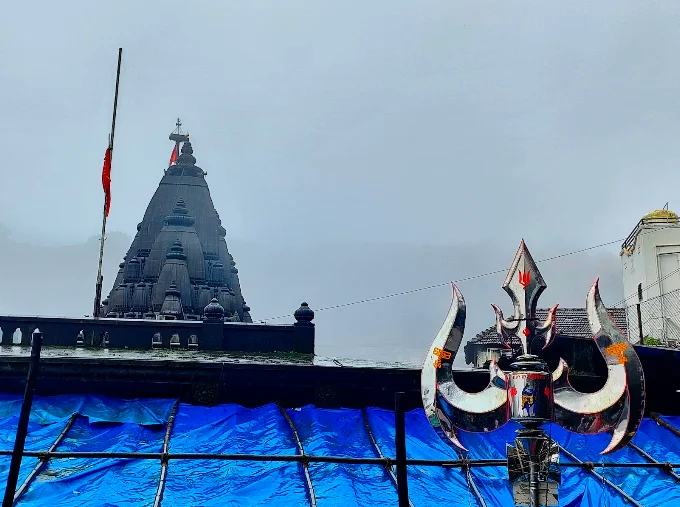
📍 151.75 km away
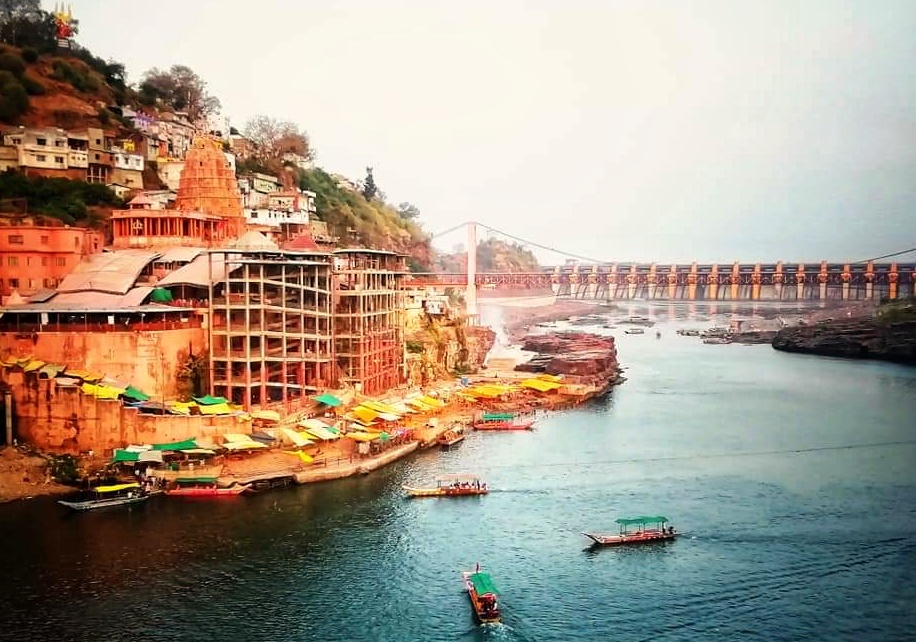
📍 310.69 km away
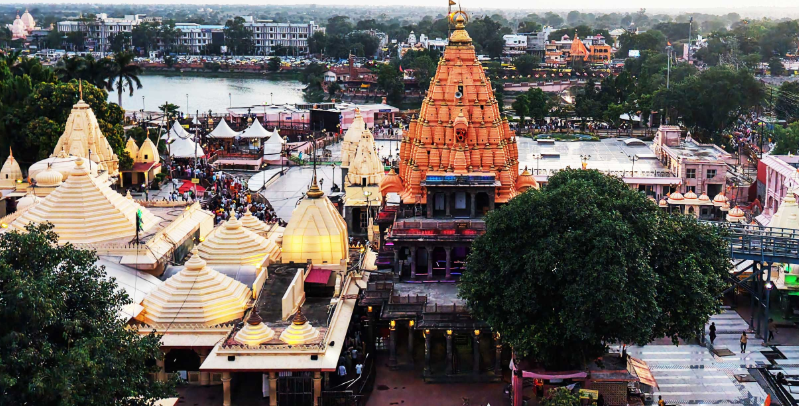
📍 365.04 km away
📍 367.56 km away
Stays near Vani Janasthana Bhramari Shakti Peetha

📍 Near Kurinji Andavar Temple · 1,192.2 km
stayStarting from ₹2,000 / night
Discover more temples you may be interested in
You may also like these temples