☰
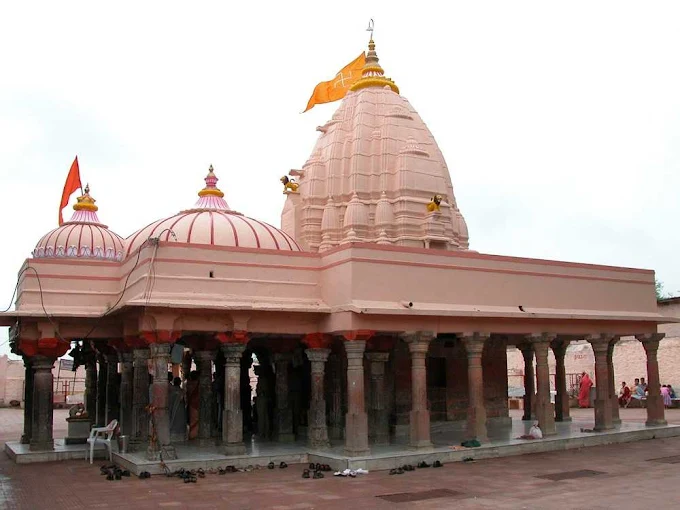
🛕 Lord Devi | 📍 Ujjain, Ujjain, Madhya Pradesh
The Ujjain Avanti Shakti Peetha, traditionally associated with the Bhairavparvat and Gadkalika temple shrine alongside the co-venerated Harsiddhi shrine in Ujjain, holds an exalted position among the 51 sacred Shakta Peethas of Hinduism. According to the foundational Shakta treatise Peetha Nirnaya (Tantrachudamani), it is recorded: 'Urdhvoshttho Bhairavaparvate, Avanti ca Mahadevi Lambakarnas tu Bhairavah.' This scriptural verse affirms that the sacred upper lip (Urdhva Oshtha) of Devi Sati fell upon the Bhairav Parvat hills along the banks of the sacred Shipra River in the ancient kingdom of Avantika. Here, the Supreme Mother is worshipped as Devi Avanti (manifested as Mahakali or Maa Gadkalika), accompanied by her fierce guardian consort, Lord Shiva as Lambakarna Bhairava (the long-eared protector). Concurrently, Peetha Nirnaya Verse 16 notes that Devi Sati's auspicious elbow (kurpara) consecrated Ujjain, venerated at the nearby Maa Harsiddhi Temple where she is worshipped as Mangal Chandika alongside Kapilambara Bhairava. Because both shrines preserve sacred bodily relics of Sati, Ujjain is celebrated as a dual Shakti Peetha city where the cosmic masculine energy of Mahakaleshwar Jyotirlinga harmonizes with the primordial feminine power of Adi Shakti. Spiritually, Avanti Shakti Peetha is hailed as the supreme fountainhead of knowledge, literary eloquence (Vaak Siddhi), and spiritual realization. Devotional tradition inextricably links this sanctuary to Mahakavi Kalidasa, who is said to have transformed from an unlettered youth into classical India's greatest poet and dramatist solely through the transformative benediction of Maa Kalika at this holy peetha.
The history of the Avanti Shakti Peetha seamlessly weaves ancient scriptural myth with centuries of documented human heritage. In religious tradition, the site's origin is tied to the cosmic Daksha Yajna episode: when Devi Sati self-immolated in protest of her father's disrespect toward Lord Shiva, the grief-stricken Mahadeva wandered the universe carrying her sacred form. To preserve cosmic order, Lord Vishnu severed her remains with the Sudarshana Chakra, and her upper lip sanctified the soil of Avanti at Bhairavparvat. Additional puranic lore from the Skanda Purana (Avanti Khanda) recounts the Goddess vanquishing the fierce demon Andhakasura in the region, consuming every drop of his blood to prevent his multiplication, which earned her veneration as the guardian deity of the kingdom. The Mahabharata also refers extensively to the city of Ujjayini (Avantika) as a famed educational epicenter, where Lord Krishna, Balarama, and Sudama studied under Guru Sandipani. Devotional accounts further venerate the shrine as the personal sadhana sanctuary of King Vikramaditya and his court jewel, the poet Kalidasa. In terms of recorded history and archaeological heritage, Ujjain is among northern India's oldest continuously inhabited urban centers, having served as the capital of the Avanti Mahajanapada from the 6th century BCE and as the prime meridian for ancient Indian astronomical computations. The temple stands in the Bhairavgarh (Garh) precinct, which formed part of the ancient fortified citadel of Ujjain. Archaeological strata across the region reveal prolonged cultural continuity stretching through the Maurya, Shunga, and Gupta empires. Historical tradition records that the temple structure was significantly restored during the 7th century CE by Emperor Harshavardhana of Kannauj. Following periods of medieval conflict, the shrine was patronized by the Paramara rulers of Malwa (10th–13th centuries CE), who were devout patrons of Shakta and Shaiva worship. The present architectural edifice, characterized by a mix of traditional stone sanctum design and Malwa-Maratha stylistic features, was rebuilt and revitalized during the late 18th and early 19th centuries under the Scindia (Shinde) dynasty of Gwalior State, particularly after Ranoji Rao Scindia established Ujjain as his regional seat of administration.
Devotees, especially students, scholars, and artists, traditionally pray at this shrine seeking memory, clear expression, and academic wisdom, inspired by the legend of poet Kalidasa receiving supreme intellect here.
Worship of Devi Avanti in her fierce Mahakali manifestation is traditionally believed to banish debilitating fear, inner anxiety, and low self-confidence.
Devotees seek the protection of Maa Avanti and Lambakarna Bhairava to ward off adverse planetary influences, negative energies, and hurdles hindering life endeavors.
Situated in Ujjain, one of the sacred Sapta Mokshapuris, devout contemplation at this Shakti Peetha is believed to purify past karmic burdens and assist the soul on the spiritual journey toward moksha.
A sacred ritual observed during Chaitra and Sharad Navratri wherein young unmarried girls are venerated and fed as living incarnations of the Divine Mother.
Devotees offer a consecrated red chunri, decorative vermilion, and a silver parasol (chhatra) to the presiding deity as a token of thanksgiving for fulfilled vows.
Special sacred fire oblations and Vedic/Tantric mantra recitations organized by temple priests on behalf of devotees seeking spiritual protection and relief from grave difficulties.
According to enduring literary tradition and local belief, the classical Sanskrit poet Kalidasa gained learning and poetic inspiration after worshipping the presiding deity at this...
The Simhastha Kumbh Mela is a cyclic congregation occurring once every 12 years in Ujjain when Jupiter enters Leo (Simha rashi) and the Sun enters Aries (Mesha rashi). Situated on...
Shardiya Navratri is the primary festival celebrated at the Avanti Shakti Peetha on Bhairav Parvat in Ujjain. According to religious tradition, this shrine marks the sacred site wh...
Maha Shivratri is observed with deep devotion at the shrine due to the essential Shaiva-Shakta union in Shakti Peetha theology, where Lord Shiva is worshipped in his guardian manif...
Chaitra Navratri (Vasant Navratri) marks the onset of the Hindu New Year (Vikram Samvat) and is observed with elaborate religious austerities at Avanti Shakti Peetha. Devotees obse...
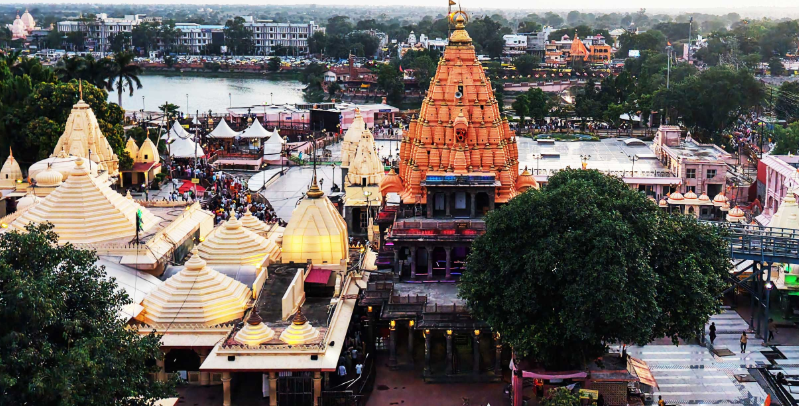
📍 2.85 km away
📍 113.96 km away
📍 275.57 km away
📍 322.50 km away
📍 359.38 km away
📍 367.56 km away
Stays near Ujjain Avanti Shakti Peetha

📍 Near Kurinji Andavar Temple · 1,453.6 km
stayStarting from ₹2,000 / night
Discover more temples you may be interested in
You may also like these temples