☰
🛕 Lord Devi | 📍 Ambaji, Banaskantha, Gujarat
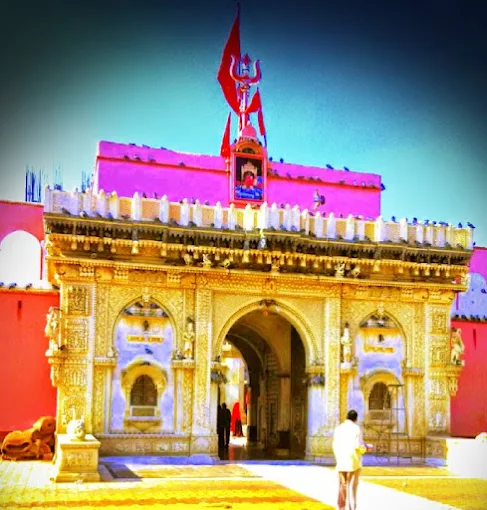
Shree Arasuri Ambaji Mata Temple is revered as one of the 51 primary Shakti Peethas in Hinduism, traditionally believed to mark the holy spot where the heart ('Hriday Peetha') of Goddess Sati fell after her body was severed by Lord Vishnu's Sudarshan Chakra. Nestled in the ancient Aravalli range on the Arasur hills in Banaskantha district, Gujarat, this sacred shrine is unique in its theological and ritual form of worship: unlike conventional North Indian temples, there is no anthropomorphic idol or stone image of the Goddess in the inner sanctum (Garbhagriha). Devotion centers entirely upon the sacred 'Shree Visa Yantra'—an ancient, consecrated geometric brass-and-gold plate inscribed with 51 mystical syllables (bijaksharas) placed inside a cave-like niche known as the 'Gokh'. Devotees are not allowed to touch or view the uncovered Yantra directly, maintaining extreme tantric sanctitude; the temple priests dress and adorn the niche daily with elaborate silks, ornaments, and a silver mask to present the radiant silhouette of an enthroned Mother Goddess (Shringar Darshan). Ambaji is regarded as the primordial cosmic power (Adya Shakti), revered equally by Shakta, Shaiva, and Vaishnava pilgrims. It is closely linked with the nearby Gabbar Hill, situated about four kilometers away, which is celebrated in religious traditions as the original seat (Mool Sthan) of the Goddess where an eternal flame (Akhand Jyot) has been kept burning for centuries. Every year, millions of pilgrims undertake rigorous foot pilgrimages (Padyatras) to the shrine, especially during the auspicious Bhadarvi Poonam fair and the vibrant nine-day Navratri festivals.
The history of Ambaji Temple presents a blend of mythological traditions, recorded local history, and medieval royal patronage. According to sacred Hindu traditions and Puranic lore, the sanctuary on Gabbar Hill dates back to the Vedic and Treta Yuga eras; local legends recount that Lord Rama and Lakshmana, while in search of Sita, worshipped Devi Ambaji at Gabbar on the counsel of Sage Shringi, where the Goddess bestowed upon Rama the divine invincible arrow named 'Ajay' with which he vanquished Ravana. Another religious legend links the tonsure ceremony (Chaul Karma) of Lord Krishna to this holy hill. The legend concerning the temple's shift from the hills to the present town narrates that the ruler of Danta passionately prayed to the Goddess to reside in his town; she agreed on the condition that he walk ahead and never look back. Hearing her tinkling anklets fall silent near the present location, the king turned around, whereupon the Goddess established her sanctuary at Arasan Nagar (modern Ambaji).
From an epigraphical and documented historical perspective, the Arasur region—named after the abundant local white marble ('Aaras')—formed part of the historic trade routes connecting western Rajasthan with northern Gujarat, situated close to the seasonal origins of the historic Saraswati River. Epigraphical records in nearby historical settlements like Kumbhariya establish vibrant architectural and religious activities in this belt from at least the 10th to 13th centuries under the Chaulukya (Solanki) and Parmar dynasties. The Barad Parmar Rajput rulers of the erstwhile Danta princely state served as the hereditary administrators and royal patrons of the Ambaji shrine for centuries, regarding Arasuri Ambaji as their family deity (Kuldevi). Legal records and pre-independence judicial determinations from 1934 and 1937 establish that the Maharana of Danta acted as a custodian and servant ('Sevak') of the deity rather than the private owner of the temple. Following Indian independence and the merger of princely states, the temple administration was formalized under public supervision, leading to the creation of the Shri Arasuri Ambaji Mata Devasthan Trust in 1960 under the Bombay Public Trusts Act, chaired by the District Collector of Banaskantha. Between the late 20th century and recent years, the ancient shrine was completely reconstructed into an ornate white marble temple complex. In September 2018, the majestic 61-foot 'Suvarna Shikhar' (golden spire), covered with 358 gold-plated urns (kalashes) using pure gold donated by thousands of devotees, was formally consecrated, establishing Ambaji as one of the grandest golden pilgrimage monuments in western India.
According to Shakta tradition, worshipping Adya Shakti at Ambaji dispels internal fear, anxiety, and weakness, blessing the devotee with steadfast courage, mental clarity, and spiritual resilience.
Devotees traditionally believe that offering prayers before the sacred Shree Visa Yantra dismantles spiritual and worldly obstacles, granting fulfillment of righteous aspirations (Ichha Purti) and professional success.
Traditional beliefs hold that meditating in the sanctum where the 51-bijakshara Sri Yantra is enshrined aligns personal vitality with cosmic frequencies, purifying negative planetary influences and aiding spiritual evolution.
Offering Kumkum, Chunari, and traditional red offerings to Maa Amba is culturally cherished for ensuring long-lasting marital harmony, longevity of spouses, and overall peace and prosperity in household life.
Traditional lore asserts that having darshan of the Akhand Jyot at Gabbar Hill and hoisting the sacred Dhwaja at the main temple acts as a potent shield against evil eyes, negative astral energies, and psychic disturbances.
The highly sacred devotional ritual of offering and ceremonially hoisting the consecrated red-and-gold flag atop the 61-foot golden Suvarna Shikhar. Devotees book the flag offering via the trust administration; fixed prices are not published on the portal as donations vary by flag material.
The official purchase and offering of the traditional, GI-tagged Mohanthal sweet prepared directly under the supervision of the temple trust with pure ghee and gram flour, officially priced at ₹125 per pack on the trust portal for Rajbhog distribution.
A traditional Vedic fire ritual performed in the temple's consecrated Yagnashala by authorized temple purohits, chanting verses of the Devi Mahatmyam (Durga Saptashati) to invoke divine protection and overcome afflictions; charges are arranged directly with the trust's ritual counter.
Devotional offering of pure cow ghee, coconuts, and chunari at the Akhand Jyot shrine situated on the top of Gabbar Hill, revered as the primordial seat of Goddess Ambaji; contributions are accepted as voluntary donations at the trust counters on the hill.
The 51 Shaktipeeth Parikrama Mahotsav is an annual multi-day festival organized jointly by the Gujarat Pavitra Yatradham Vikas Board and the Shri Arasuri Ambaji Mata Devasthan Trus...
The Bhadarvi Poonam Fair is the largest annual congregation and religious festival at Ambaji, attracting more than 1.5 to 2 million pilgrims. Spanning roughly a week leading up to...
Shardiya Navratri is one of the most significant festivals celebrated at the Ambaji Arasuri Amba temple. According to religious tradition, Goddess Amba is worshipped here in the fo...
Poshi Poonam (Paush Purnima) is observed as the divine manifestation day (Pragatya Divas) or appearance anniversary of Goddess Arasuri Ambaji. Believed by devotees to mark the adve...
Chaitra Navratri is the spring nine-night festival honoring Shakti at Ambaji. Rituals begin on Chaitra Shukla Pratipada (Gudi Padwa / Cheti Chand) with the Ghatasthapana ceremony w...
📍 117.76 km away
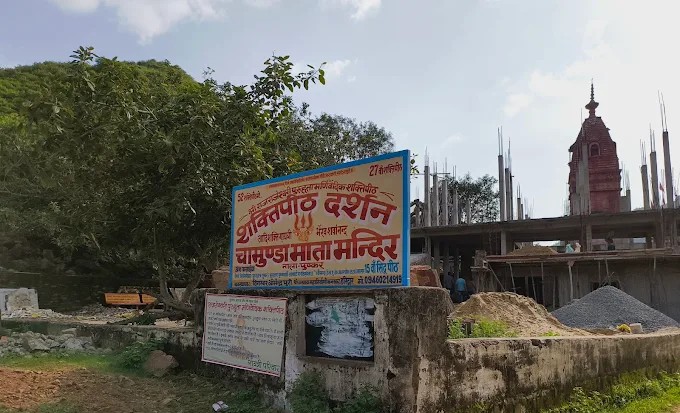
📍 292.72 km away
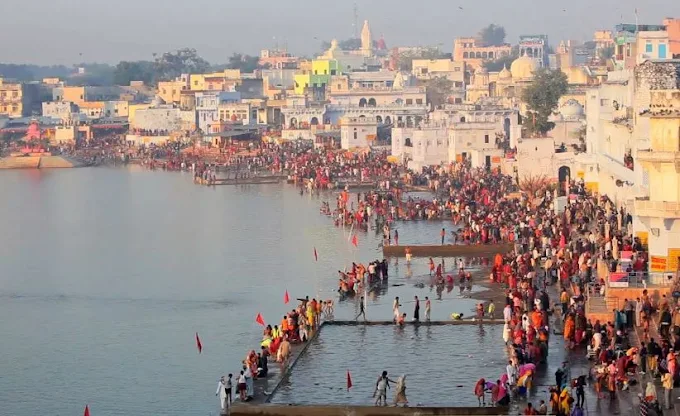
📍 293.84 km away
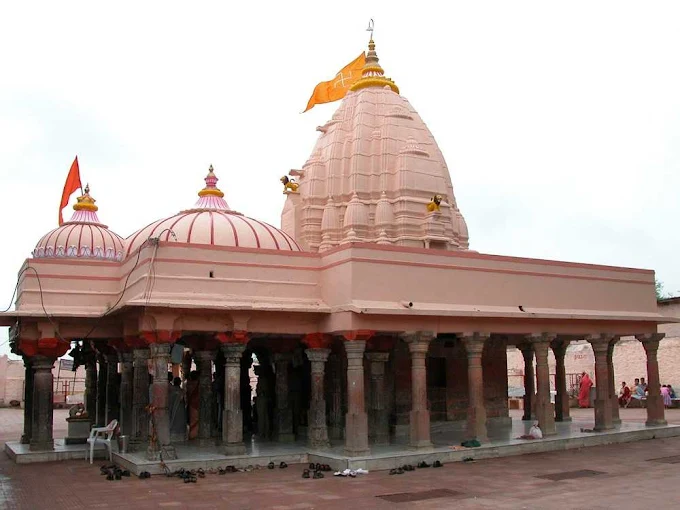
📍 322.50 km away
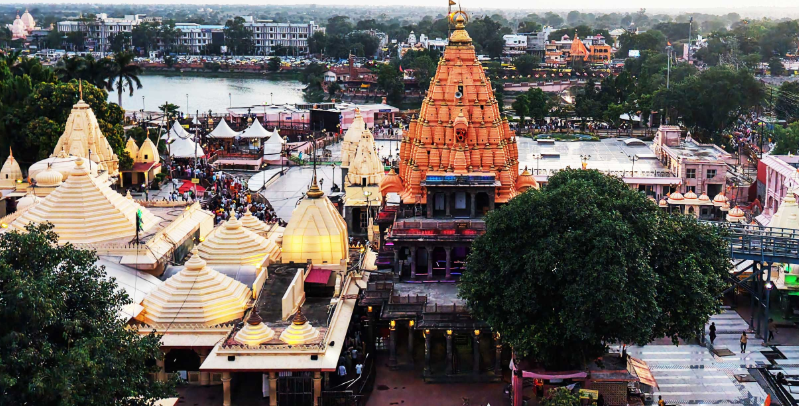
📍 323.45 km away
📍 387.31 km away
Stays near Ambaji Arasuri Amba Shakti Peetha

📍 Near Kurinji Andavar Temple · 1,642.5 km
stayStarting from ₹2,000 / night
Discover more temples you may be interested in
You may also like these temples