☰
🛕 Lord Shiva | 📍 Ujjain, Ujjain, Madhya Pradesh
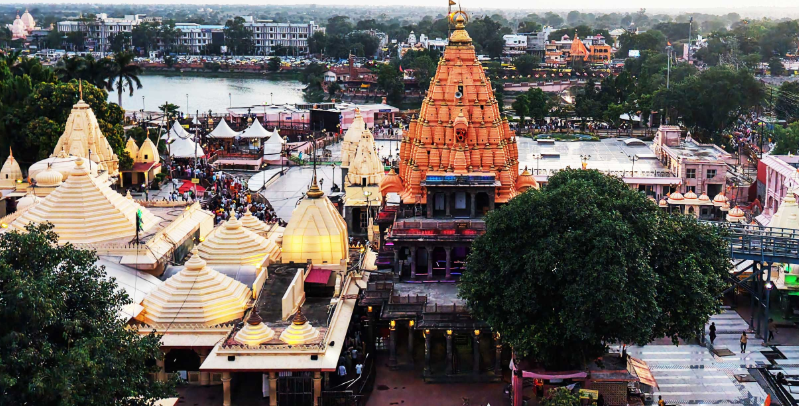
Shri Mahakaleshwar Jyotirlinga Temple, situated in the ancient holy city of Ujjain (historically known as Avantika) on the banks of the sacred Shipra River, is one of the twelve venerated Jyotirlingas of Lord Shiva. It holds a distinct place among all Jyotirlingas because the presiding lingam is 'Dakshinamukhi' (south-facing)—a characteristic found only at Mahakaleshwar among the twelve shrines. In Hindu cosmology and tantric traditions, the south is governed by Yama, the lord of death. Shiva's presence facing south establishes Him as 'Mahakal', the Supreme Lord who transcends time, destiny, and mortality.
The Jyotirlinga is revered as Swayambhu (self-manifested), deriving spiritual power (Shakti) directly from within rather than being ritually consecrated. The architectural sanctum is organized across three tiers: the lowest subterranean sanctuary enshrines Mahakaleshwar, the middle level houses Omkareshwar, and the uppermost chamber is dedicated to Lord Nagchandreshwar, which is opened to pilgrims exclusively once a year on Nag Panchami. Mahakaleshwar is also inextricably linked to the primordial Indian calculation of time; Avantika was considered the prime meridian of ancient Indian astronomy (Greenwich of ancient India), with the Mahakal temple acting as the sacred geographic navel (Nabhi-sthana) of the earth.
The temple is world-renowned for its pre-dawn Bhasma Aarti, during which the lingam is ritually adorned with consecrated sacred ash. This solemn ceremony symbolizes cosmic dissolution, the impermanence of physical life, and Shiva's eternal transcendence. The temple complex is integrated with the newly constructed Shri Mahakal Mahalok corridor, reflecting grand mythological motifs and facilitating comfortable circumambulation for millions of pilgrims.
The recorded and traditional history of Mahakaleshwar spans more than two millennia. References to the shrine of Mahakala in Ujjain appear extensively in classical Sanskrit literature, notably in the Puranas (Skanda Purana and Shiva Purana) and the epic works of Kalidasa. In his 4th–5th century CE lyrical masterpiece 'Meghaduta', Kalidasa provides an evocative description of the temple of Mahakala and the twilight evening rituals performed by dancing attendants.
During the early medieval era, the Paramara dynasty (10th to 13th centuries CE), who ruled the Malwa region from Dhar and Ujjain, were devout patrons of the temple. Epigraphic and architectural evidence indicates that Kings Bhoja and Udayaditya significantly enlarged the temple complex, building a magnificent multistoreyed stone temple adhering to the classical Bhumija style of western-central Indian architecture.
In 1234–1235 CE, the temple suffered extensive destruction when Shams-ud-din Iltutmish, the Sultan of Delhi, invaded Malwa and sacked Ujjain. Historical chronicles of the Delhi Sultanate, such as Minhaj-i-Siraj's 'Tabaqat-i-Nasiri', document that the historic temple complex was dismantled and its prized Jyotirlinga and idols were submerged in the adjoining Kotiteertha Kunda to preserve them from total destruction. For over five centuries following this raid, worship continued in modest and concealed shrines within the ruins.
The revival and reconstruction of the modern Mahakaleshwar temple occurred in the 18th century following the establishment of Maratha rule in Malwa under Peshwa Baji Rao I. Around 1734–1736 CE, Ramchandra Baba Shenvi (Sukhtankar), the Diwan and military general of the founder of the Scindia (Shinde) dynasty, Ranoji Scindia, undertook the complete rebuilding of the temple. He resurrected the subterranean garbhagriha, restored regular worship according to Vedic rituals, and built the present five-storeyed structure featuring a blend of Maratha and northern Nagara architectural styles. Subsequent Scindia rulers of Gwalior and Holkars of Indore continued expanding and maintaining the shrine.
In recent history, the temple has been administered by the Shri Mahakaleshwar Temple Management Committee under the Madhya Pradesh Religious Trusts and Endowments framework. In October 2022, Phase 1 of the 'Mahakal Lok' corridor project was inaugurated, adding extensive public plazas, mythological murals, and modern pilgrim amenities to accommodate the millions of devotees who visit annually.
According to Shaivite faith and scriptures, praying before the Dakshinamukhi Mahakaleshwar protects devotees from unnatural demise, accidents, and life-threatening crises, as Lord Shiva reigns supreme over time and mortality.
Devotional belief holds that participating in the sacred Bhasma Aarti and beholding the Swayambhu Lingam cleanses deep-seated karmic burdens, granting mental peace and spiritual rebirth.
Given Ujjain's sacred status as the focal meridian of ancient astrology, worshipping Mahakaleshwar is believed to alleviate severe planetary hardships such as Kaal Sarp Dosha and Sade Sati (Saturn afflictions).
The ritual offering of holy ash (vibhuti) reminds seekers of the impermanent nature of life, helping cultivate emotional balance, fearlessness, and freedom from psychological anxiety.
Lord Shiva as Mahakal is revered by devotees as Ashutosh (readily compassionate), believed to swiftly fulfill sincere prayers for health, familial harmony, and spiritual liberation.
Official online advance pass issued by the Temple Management Committee granting reserved seating inside designated halls to witness the early morning Bhasma Aarti.
Official fast-track ticket designed to reduce queue waiting time, providing direct passage through a separate managed corridor for general darshan.
Personalized Vedic ritual consisting of ceremonial abhishekam and mantra recitation performed by an authorized priest in designated temple premises.
Specialized recitation of eleven cycles of the Shiva Mahimna Stotra and Rudra japa performed for family prosperity and health.
Elaborate chanting of the Sri Rudram eleven times alongside continuous sacred oblations offered by an authorized Vedic scholar.
Comprehensive Vedic yajna and abhisheka comprising 121 recitations of Sri Rudram performed by learned temple priests.
Extensive multi-hour Vedic ritual involving simultaneous chanting by multiple Vedic priests along with large-scale sanctified offerings.
Large-scale devotional chanting of one hundred and twenty-five thousand Mahamrityunjaya mantras performed by qualified priests for recovery from illness and spiritual welfare.
A centuries-old monsoon tradition where Lord Mahakal, regarded as the king (Adhiraj) of Ujjain, departs the temple in royal processions held every Monday throughout the Hindu month...
A historic royal procession of Lord Mahakal held annually on Vijayadashami. Seated in a silver palanquin in the form of Manmahesh, the deity is carried in a ceremonial procession w...
The festival of lights begins in Ujjain at the Mahakaleshwar Temple during the Brahma Muhurta Bhasma Aarti on Roop Chaudas (Naraka Chaturdashi). The deity is anointed with traditio...
A midnight festival exclusive to Ujjain marking the symbolic union and transfer of cosmic administrative authority between Lord Shiva (Har) and Lord Vishnu (Hari). Following the en...
The most significant annual celebration at Mahakaleshwar Temple. Shiv Navratri spans nine days preceding Maha Shivratri, during which Lord Mahakal is decorated each day as a groom...
The third-tier shrine of the Mahakaleshwar Temple houses a rare 11th-century idol of Shiva, Parvati, and Ganesha seated upon a ten-hooded serpent (Nagchandreshwar). By tradition, t...
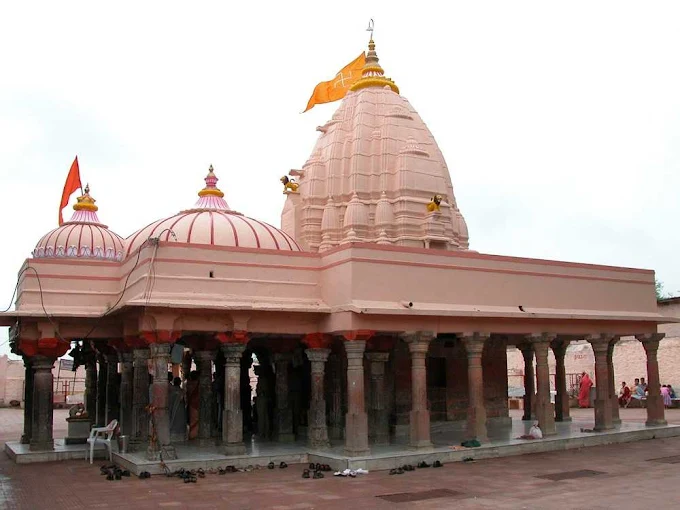
📍 2.85 km away
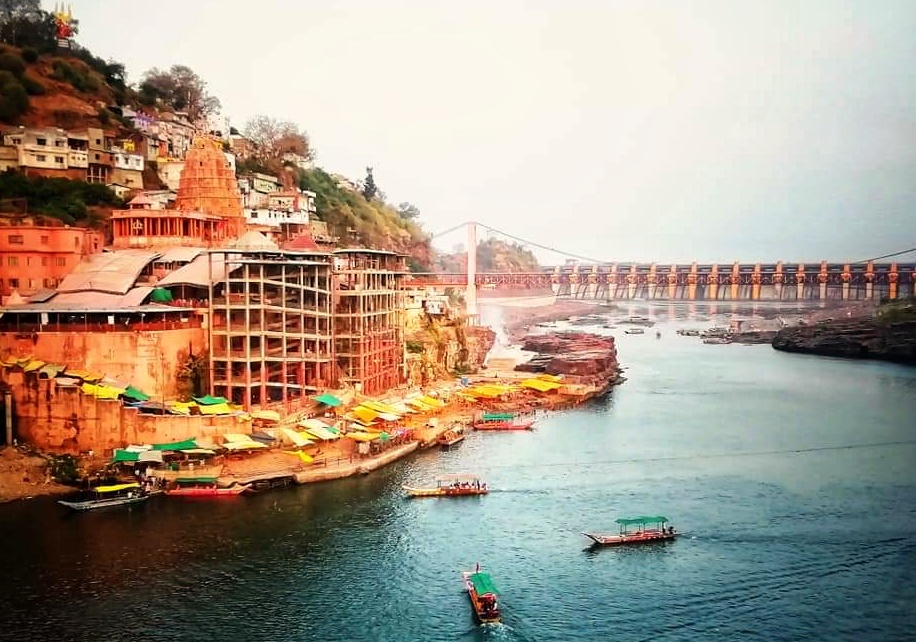
📍 111.38 km away
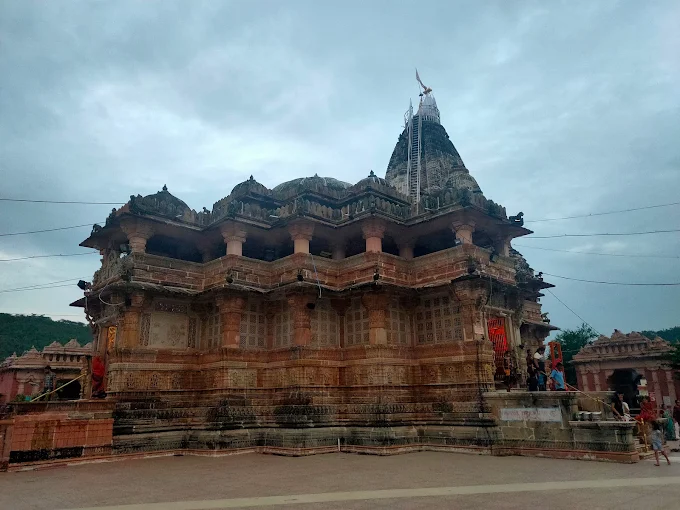
📍 277.41 km away
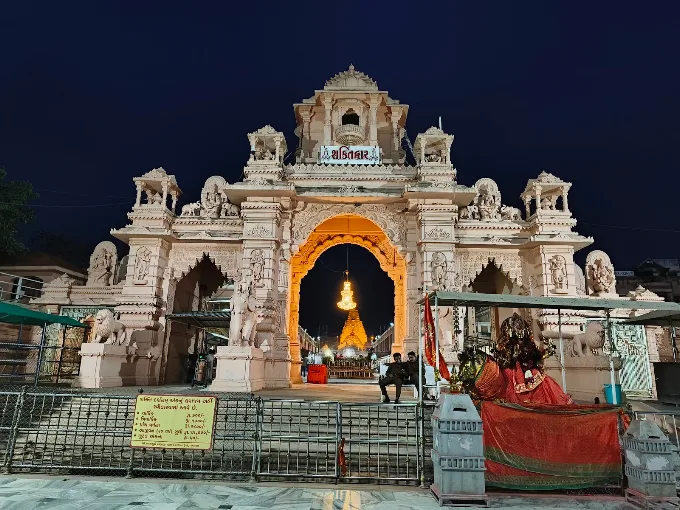
📍 323.45 km away
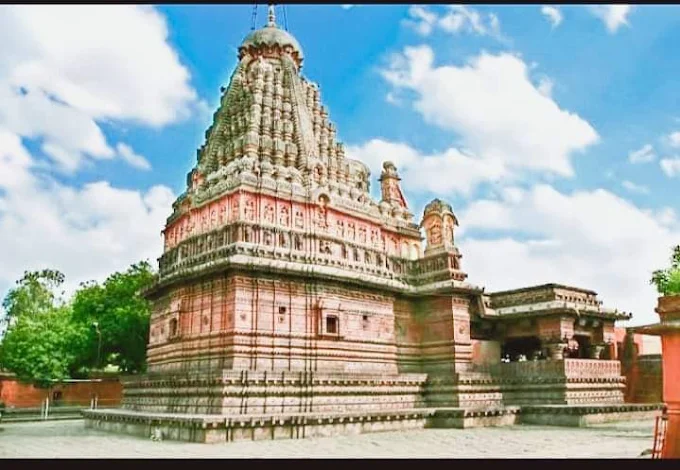
📍 356.54 km away
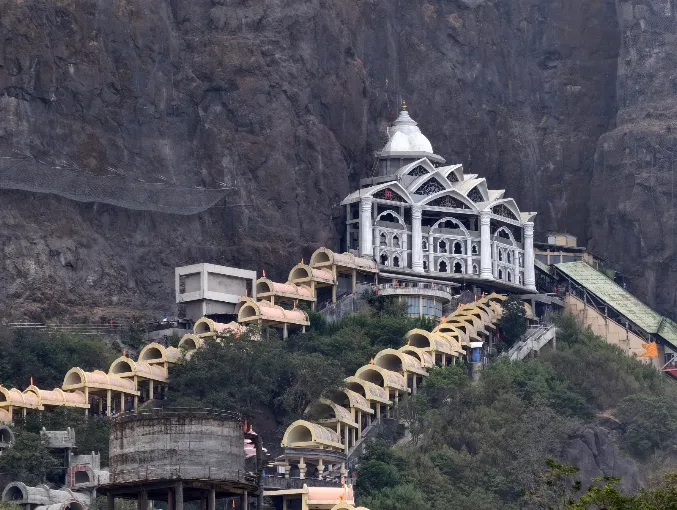
📍 365.04 km away
Stays near Ujjain Mahakaleshwar Jyotirlinga Temple

📍 Near Kurinji Andavar Temple · 1,450.8 km
stayStarting from ₹2,000 / night
Discover more temples you may be interested in
You may also like these temples