☰
🛕 Lord Devi | 📍 Kolhapur, Kolhapur, Maharashtra
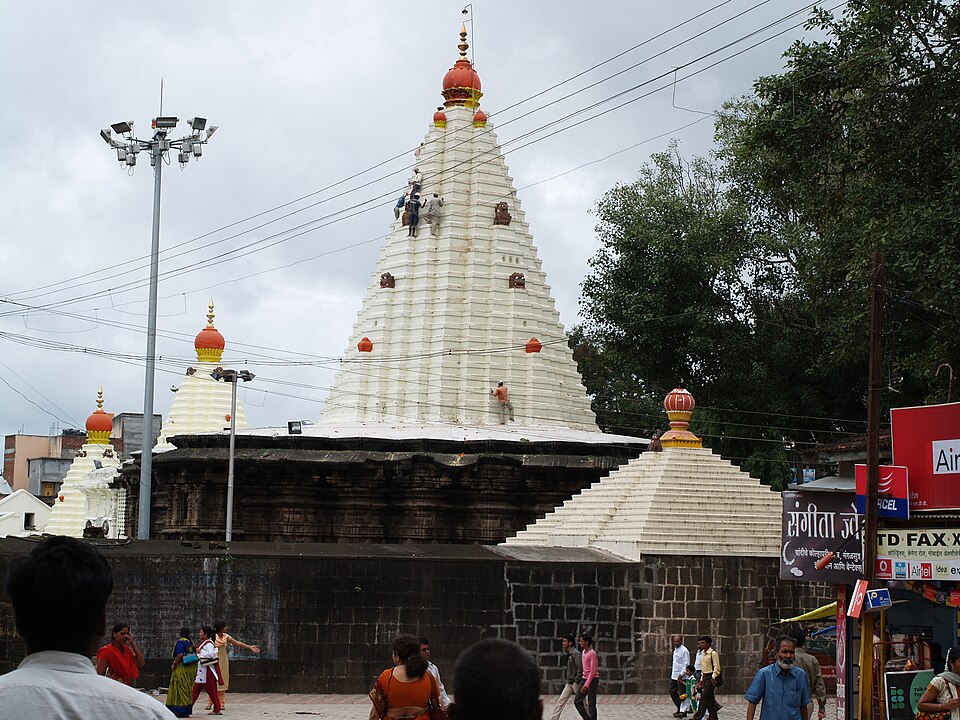
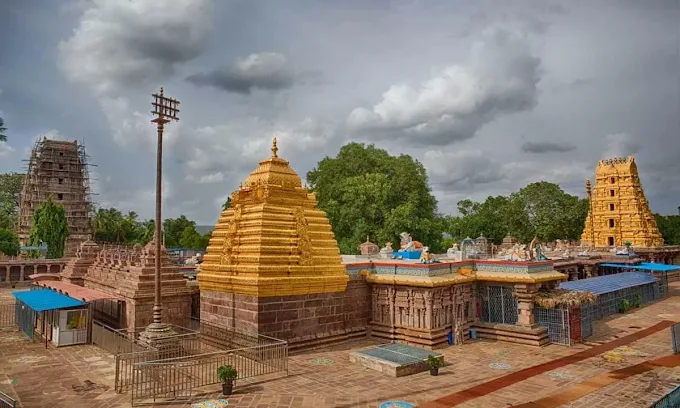
Shree Karveer Niwasini Ambabai (Mahalakshmi) Temple in Kolhapur, Maharashtra, is one of the most venerated pilgrimage destinations in India. It is revered as one of the pivotal Shakti Peethas and holds supreme prominence in Maharashtra's sacred sacred triad of 'Three and a Half Shakti Peethas' (along with Tuljapur, Mahur, and Vani-Saptashrungi). In Shakta tradition, this kshetra represents the abode where the Goddess's vital divine essence resides. The Skanda Purana and the Karavira Mahatmya extol the holy city as 'Dakshin Kashi', affirming that Karveer possesses an eternal sanctifying power. Deeply embedded in Vaishnava and Smartha pilgrimage traditions, Kolhapur forms an indispensable spiritual counterpart to Tirumala. Devotees traditionally consider a pilgrimage to Tirumala Sri Venkateswara Temple complete only after visiting Kolhapur to obtain the darshan of Mother Mahalakshmi, the eternal divine consort of Lord Vishnu. The presiding deity's sacred icon is carved from a gemstone (black stone) weighing approximately 40 kilograms and standing about three feet high. Uniquely among major Hindu sanctums where deities typically face north or east, Mother Mahalakshmi faces west (Pashchimabhimukha). Behind the four-armed deity stands Her stone vahana (the lion), and on Her crown is the protective hood of Sheshnag. In Her hands She holds sacred cosmic symbols: the mhalunga (citrus fruit), kaumodaki (mace), khetaka (shield), and the panpatra (drinking vessel). An extraordinary architectural and astronomical phenomenon known as 'Kiranotsav' (Festival of Sun Rays) occurs twice each year (in January–February and November). During this time, the setting sun's golden rays travel through the monumental Mahadwar and illuminate the Goddess's feet, waist, and ultimately Her benevolent countenance.
The recorded history and epigraphical records of the Kolhapur Mahalakshmi Temple reveal layers of royal patronage across more than a millennium, blending ancient historical milestones with religious folklore. Traditional legends trace the town's antiquity to the Satya Yuga, narrating that the Goddess defeated the demon Kolhasura here, honoring his dying wish by naming the sacred territory 'Kolhapur' and making it Her permanent earthly sanctuary. Historically, the temple's earliest stone foundations date back to the 7th century CE under the rule of the Badami Chalukyas. Epigraphic evidence and literary works, such as the writings of the 12th-century poet Brahmashiva, attribute the original construction to King Karnadeva of the Chalukya dynasty around 634–700 CE. The structural complex was significantly enlarged during the reign of the Shilahara dynasty (10th to 12th centuries CE), who ruled the southern Konkan and Kolhapur regions as devout worshippers of Karveer Niwasini Mahalakshmi. Inscriptions demonstrate that Shilahara rulers built auxiliary shrines within the quadrangle, including the dedicated temples of Goddess Mahakali and Goddess Mahasaraswati. In the early 13th century, King Singhana and the Seuna (Yadava) dynasty of Devagiri introduced further modifications, erecting the majestic Mahadwar (West Gate) and contributing lavish endowments. Architecturally, the temple represents an exceptional example of the Deccan Hemadpanti style, constructed using hard black basalt without adhesive mortar. During medieval turbulence and Mughal military incursions in the Deccan, the hereditary priests discreetly removed the sacred murti from the sanctum and preserved it in an undisclosed location for several decades to safeguard it from desecration. In 1715 CE, under the patronage of the Maratha ruler Chhatrapati Sambhaji Maharaj II of Kolhapur, the holy idol was triumphantly reinstalled in the sanctum sanctorum with grand Vedic rites. Later Maratha rulers and Chhatrapati Shahu Maharaj of Kolhapur added courtyards, deepstambhas (lamp towers), the Garuda Mandap, and pilgrim rest houses. Today, the shrine is administered by the Paschim Maharashtra Devasthan Management Committee (PMDS) under the Government of Maharashtra.
Devotees traditionally worship Goddess Mahalakshmi as the supreme giver of Dhana (wealth), Dhanya (sustenance), and prosperity to eliminate debts and financial distress.
According to popular pilgrimage tradition, a pilgrimage to Lord Venkateswara in Tirupati is spiritually completed only after receiving Mother Ambabai's darshan at Kolhapur.
Participating in Kumkumarchan and Abhishek sevas is believed to bestow divine protection, dissolve chronic obstacles, and neutralize malefic planetary influences.
Performing the sacred 'Oti Bharane' offering (sari, rice, and turmeric) is traditionally believed to safeguard marital harmony, protect spouses, and bring progeny blessings.
Ancient Puranic texts highlight Karveer Kshetra as one of the sacred abodes where earnest devotion grants spiritual awakening and liberation from worldly bondages.
A personal sacred seva where Vedic priests perform specialized rituals and offerings dedicated to the lotus feet of Mother Mahalakshmi on behalf of the devotee.
Devotional chanting of the sacred names of Goddess Lakshmi while offering energized vermilion (kumkum) to invoke health, protection, and auspiciousness.
A complete ritual bath of the Goddess performed with five sacred substances: pure milk, curd, honey, ghee, and sugar, accompanied by Vedic Suktams.
A comprehensive grand abhishek seva conducted with panchamrut, holy water, and fragrant dravyas along with Shodashopachara rituals and special Mangal Aarti.
Sponsoring the traditional Maharashtrian sweet delicacy (puran poli) offered to Goddess Ambabai during the noon Mahapooja.
An annual endowment scheme where a special pooja is performed every year in the devotee's name and gotra on an auspicious date of their choice.
No festivals available.
📍 274.15 km away
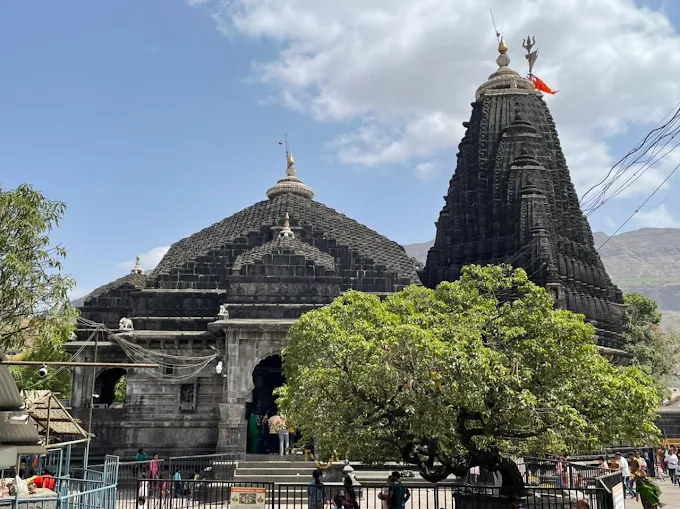
📍 367.31 km away
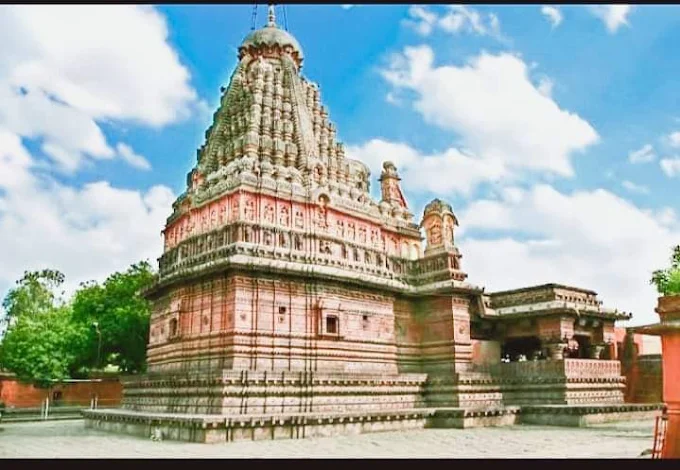
📍 383.64 km away
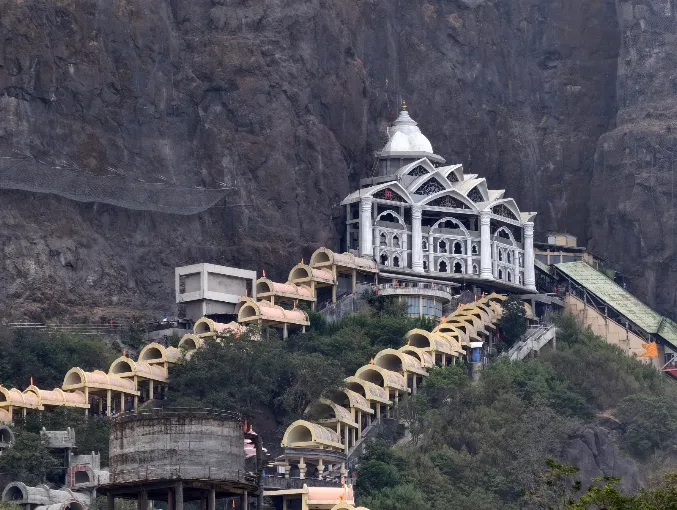
📍 412.42 km away
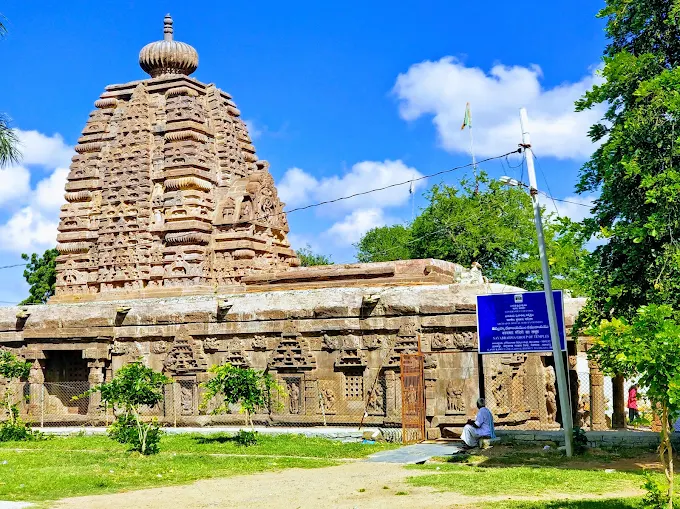
📍 427.51 km away
📍 500.46 km away
Stays near Kolhapur Mahalakshmi Shakti Peetha

📍 Near Kurinji Andavar Temple · 800.0 km
stayStarting from ₹2,000 / night
Discover more temples you may be interested in
You may also like these temples