☰
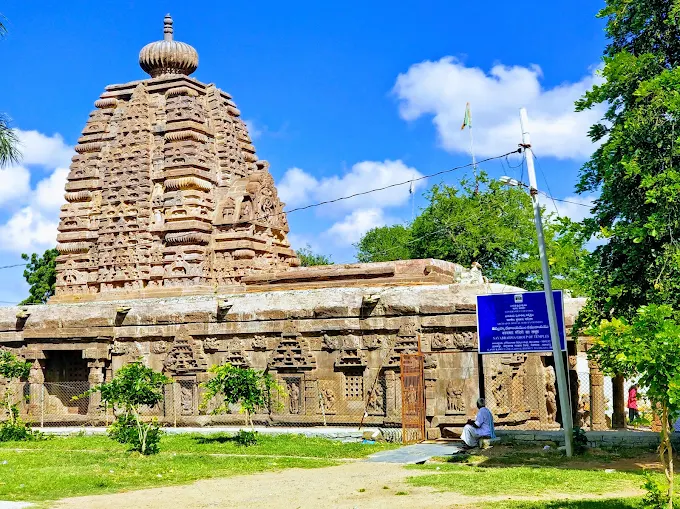
🛕 Lord Devi | 📍 Alampur, Jogulamba Gadwal, Telangana
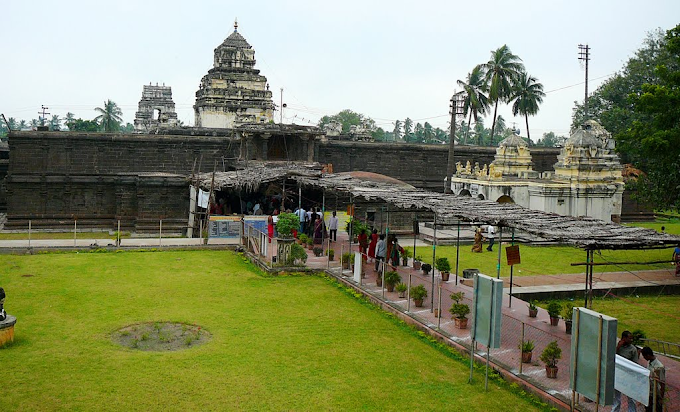
Sri Jogulamba Temple at Alampur, located in the Jogulamba Gadwal district of Telangana on the banks of the Tungabhadra River, is venerated as the fifth of the traditional 18 Maha Shakti Peethas (Ashtadasa Shakti Peethas) consecrated across the Indian subcontinent. According to classical Puranic traditions celebrated in Adi Shankaracharya's 'Ashtadasa Shakti Peetha Stotram', this holy site represents the sacred spot where the upper teeth (oordhva danta) of Sati Devi fell following the Daksha Yajna immolation and Lord Shiva's cosmic grief. The presiding goddess is reverently worshipped as Jogulamba, an epithet evolved from 'Yogula Amma'—signifying the primordial Mother of Yogis and an embodiment of yogic and tantric power.
Unlike conventional benign manifestations, Goddess Jogulamba is consecrated in a fierce, esoteric form (Ugra Swaroopam), often venerated as 'Gruha Chandi'. The consecrated granite murti depicts the Devi seated atop a corpse (Pretasana), her tongue protruding, and her disheveled matted hair carrying esoteric emblems: a scorpion, a frog, an owl, and a human skull. Because of the intense spiritual heat believed to emanate from this fierce manifestation, an artificial water pool was traditionally maintained directly in front of the sanctum to keep the surroundings tranquil and cool. Flanking the sanctum are fierce attendant goddesses Chandi and Mundi.
Geographically and spiritually, Alampur holds an exalted status as the 'Paschima Dvaram' (Western Gateway) to the revered Jyotirlinga pilgrimage of Srisailam. Located near the confluence (Sangamam) of the sacred Krishna and Tungabhadra rivers, it is also celebrated as 'Dakshina Kailasam'. Inseparably connected to the adjacent Bala Brahmeswara Swamy Temple and the historic Navabrahma group of temples, the shrine integrates dynamic Shakta energy with primordial Shaiva devotion. Devotees undertake pilgrimages here seeking spiritual liberation, protection from negative planetary configurations, destruction of malevolent afflictions, and profound internal transformation.
The history of Alampur presents a remarkable conjunction of recorded epigraphical heritage and religious tradition. Historically known as Halampuram or Hatampura, the town rose to monumental prominence under the imperial patronage of the Badami Chalukyas (Western Chalukyas) during the late 7th and early 8th centuries CE. Royal inscriptions from the reigns of Chalukyan monarchs Vikramaditya I, Vinayaditya, and Vijayaditya testify that Alampur was developed into an extraordinary center of art, Vedic learning, and temple architecture along the Tungabhadra. The rulers erected the renowned Navabrahma temples (Taraka, Swarga, Padma, Bala, Vishwa, Garuda, Kumara, Arka, and Vira Brahma), reflecting the Rekha-Nagara architectural idiom usually native to northern India.
According to archaeological studies and regional annals, medieval Alampur came under severe military stress in the late 14th century (circa 1390 CE) during the expansionist incursions of the Bahmani Sultanate. During these raids, the original free-standing temple of Goddess Jogulamba and several ancillary shrines suffered extensive destruction. Anticipating total devastation, devoted temple priests secretly salvaged the sacred idol of Jogulamba along with accompanying deities and safely installed her within the adjoining fortified complex of the Bala Brahmeswara Swamy Temple. An inscription of the Vijayanagara Empire reveals that King Harihara Raya II dispatched an army led by his commander to protect the Alampur complex from further desecration and erected stone fortification walls around the remaining heritage structures.
For more than six centuries, Goddess Jogulamba was worshipped with full liturgical honors inside the precinct of the Bala Brahmeswara Temple. It was only in the early 2000s that comprehensive restoration initiatives were undertaken to rebuild a distinct sanctum at her original historical site. Under the spiritual direction of Sri Kanchi Kamakoti Peetham (Jagadguru Sri Jayendra Saraswathi Shankaracharya) and the Endowment Department of Andhra Pradesh (now Telangana), a magnificent red sandstone temple was constructed adhering strictly to traditional Shilpa Shastra principles. In February 2005, the ancient presiding idol of Jogulamba was ceremonially reinstated and consecrated (Pratishthapana) in her newly resurrected temple, reviving this legendary Maha Shakti Peetha to its full architectural and devotional grandeur.
According to enduring temple tradition, worshipping Goddess Jogulamba as 'Gruha Chandi' is believed to alleviate serious household negative energies, planetary afflictions, and architectural Vastu doshas, restoring peace and harmony to domestic life.
As the supreme 'Mother of Yogis' (Yogula Amma), traditional devotional belief holds that sincere contemplation upon Goddess Jogulamba bestows focus, mental stillness, mastery over the senses, and spiritual awakening upon earnest seekers.
Devotees venerate the fierce Ugra manifestation of the Mother as an impregnable shield against malevolent omens, unexplained anxieties, fear of enemies, and negative influences.
Participation in Kumkumarchana and Chandi Homam at this fifth Shakti Peetha is traditionally believed to dissolve persistent life impediments, bestow marital harmony, and bless childless couples with virtuous offspring.
Tradition holds that worshipping in this 'Dakshina Kailasam' where Shakti Peetha coexists with the Bala Brahmeswara Jyotirlinga-like shrine and sacred river Sangamam yields the rare dual merit of both Shaivite and Shakta pilgrimage.
Individual sacred ritual where priests chant the names of the Goddess while offering energized kumkum (vermilion) to the sacred Sri Chakram and Devi.
Comprehensive devotional chanting of the 1,008 divine names of Goddess Lalitha/Jogulamba accompanied by continuous offering of sacred red vermilion and flowers.
Intense Shakta ritual involving the recitation of the 300 esoteric names (Trishati) of the Divine Mother with dedicated flower and kumkum offerings.
Special tantric hymn recital of the Devi Khadgamala Stotram aimed at invoking total divine protection from the mystical weapons and energies of the Goddess.
Traditional offering and archana conducted with fresh lemons (jambeera phala) strung together to appease the Ugra manifestation of the deity and seek protection.
Enhanced weekly Friday ritual featuring special abhishekams, elaborate floral decorations, and expanded aarti conducted on the day most auspicious to the Goddess.
Elaborate sacred fire sacrificial ritual performed in the yagashala invoking Goddess Chandi with offerings of ghee, herbs, and silk to eliminate severe distress and grant spiritual merits.
Permanent endowment seva where Kumkumarchana is performed once every year in the name of the registered devotee on their chosen auspicious date or star.
Karthika Masam is observed with month-long religious rituals at the combined shrine complex of Goddess Jogulamba and Lord Bala Brahmeswara Swamy. Devotees perform holy dips in the...
The annual temple Brahmotsavam is dedicated specifically to Goddess Jogulamba, marking the reconsecration of the shrine. The multi-day festivities commence with Ganapathi Puja, Pun...
Centred on Sri Bala Brahmeswara Swamy and Goddess Jogulamba within the Badami Chalukyan temple complex, Maha Shivaratri is celebrated as a five-day Brahmotsavam around Magha Bahula...
Devi Sharannavaratri is the most prominent Shakti festival celebrated at the Jogulamba Temple, which is venerated as the fifth among the eighteen Maha Shakti Peethas. The ten-day f...
📍 81.33 km away
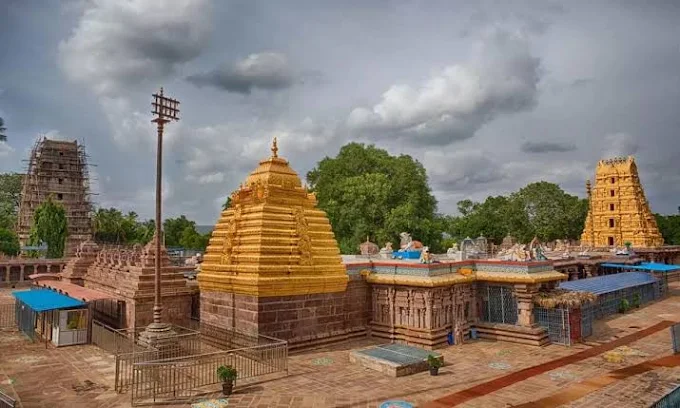
📍 81.33 km away
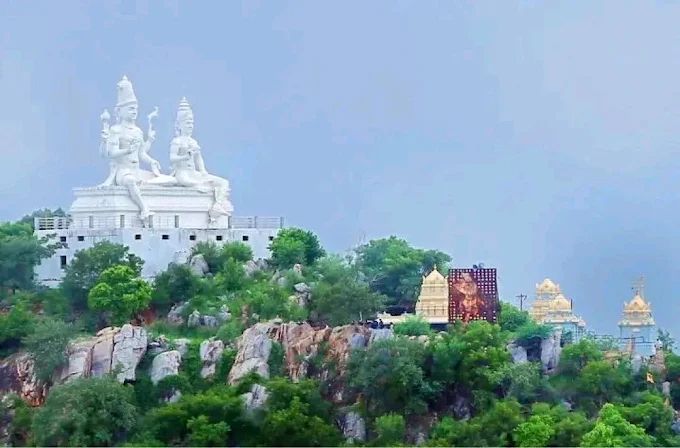
📍 290.19 km away
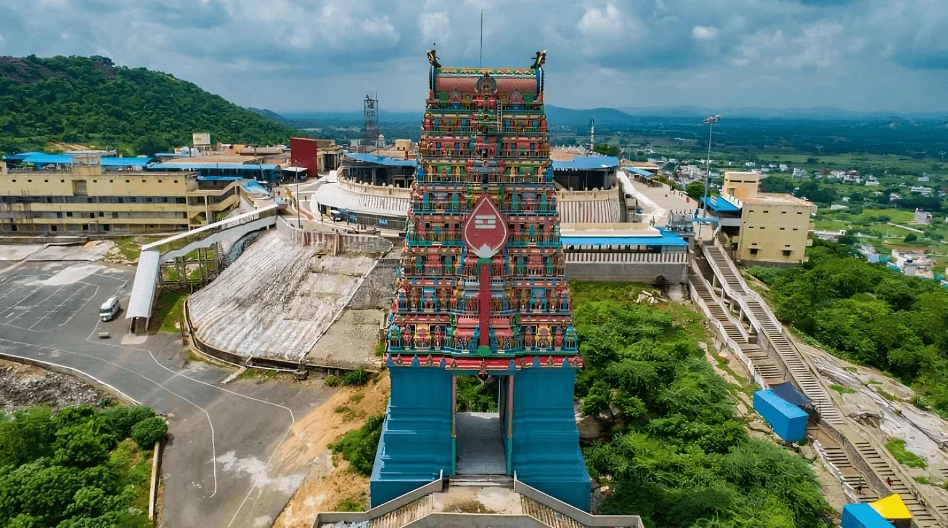
📍 339.84 km away
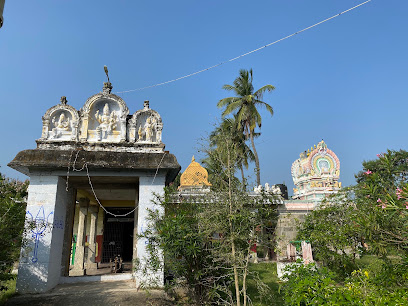
📍 366.84 km away
📍 371.69 km away
Stays near Alampur Jogulamba Devi Shakti Peetha

📍 Near Kurinji Andavar Temple · 630.7 km
stayStarting from ₹2,000 / night
Discover more temples you may be interested in
You may also like these temples