☰
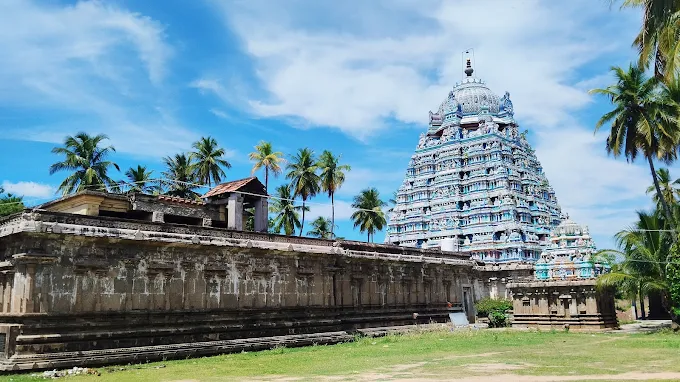
🛕 Lord Shiva | 📍 Thiruppunavasal, Pudukkottai, Tamil Nadu
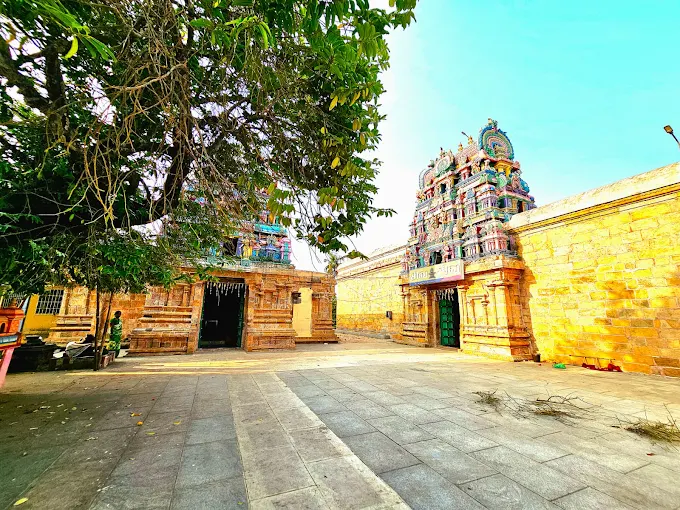
Viruththapureeswarar Temple at Thiruppunavasal is one of the important ancient Shiva temples of the Pandya Nadu region and is traditionally counted among the Paadal Petra Sthalams. The presiding deity is Lord Shiva worshipped as Viruththapureeswarar, also known as Pazhampathinathar and Mahalingeswarar. The name Viruththapureeswarar conveys the idea of the ancient or venerable Lord, while Pazhampathinathar carries a similar meaning. The Goddess has separate shrines and is worshipped as Periyanayaki / Brihannayaki.
The temple has a strong connection with Tamil Shaiva devotional literature. Tirugnanasambandar and Sundarar are traditionally associated with hymns praising the Lord here, placing Thiruppunavayil within the sacred network of Thevaram temples. It is described as one of the 14 important Paadal Petra Sthalams of the Pandya Nadu tradition.
One of the temple's distinctive features is its large Shiva Lingam and extensive temple complex. Traditional accounts also speak of several sacred Lingams representing important Shiva shrines of the Pandya region. The temple contains numerous subsidiary shrines and sacred images, including Vinayaka, Murugan with Valli and Deivanai, Dakshinamurthy, Brahma, Durga, Chandikeswara, Gajalakshmi and other deities.
Thiruppunavasal is also associated with traditional Mangala Dosha / Chevvai Dosha parihara worship. According to temple tradition, Mars (Angaraka) worshipped Shiva here to obtain relief from a curse, and devotees therefore visit the temple seeking relief from difficulties traditionally attributed to Mars. This is a religious belief rather than a scientifically established effect.
The temple is also associated with prayers for family welfare and safe childbirth. A local tradition describes devotees offering bangles to the Goddess during ceremonies such as Valaikappu and Seemantham, seeking the Goddess's blessings for the mother and child.
The geographical setting is another distinctive aspect. The Pambar River flows south of the temple, while the Bay of Bengal coastline is only a few kilometres away. The name Thiruppunavasal is traditionally connected with its location near a waterway or river entrance. The temple therefore combines Shaiva devotional heritage with a distinctive coastal-river landscape.
Major religious observances include Pradosham, Mahashivaratri, Karthigai Somavaram and the annual Vaikasi festival with a temple-car procession. Tradition also associates the temple with special solar worship during Vaikasi Visakam, when sunlight is said to fall upon the principal shrine.
For pilgrims interested in Tamil Shaiva history, Thevaram literature, ancient temple architecture and traditional parihara worship, Thiruppunavasal offers a combination of devotional, literary and architectural significance.
Thiruppunavasal has an ancient sacred identity and is traditionally known as Thiruppunavayil. The temple's principal deity is Viruththapureeswarar, also called Pazhampathinathar. The name itself reflects the traditional belief in the extreme antiquity of the shrine. Temple tradition connects the sacred site with worship by Brahma, Indra, Chandra, Mars, Agastya and other divine or sage figures. These accounts belong to the temple's sthala-purana tradition and should be understood separately from archaeological history.
The temple's historical importance is particularly connected with the Tamil Shaiva bhakti movement. Tirugnanasambandar and Sundarar are traditionally associated with the shrine, and their Thevaram hymns place Thiruppunavayil within the sacred geography of Tamil Shaivism. Sundarar is also traditionally said to have visited the shrine with Cheraman Perumal Nayanar.
The present architectural complex reflects the development of South Indian temple architecture over several periods. Sources describe a combination of Pandyan and Chola architectural characteristics, with massive enclosing walls and a prominent Rajagopuram. The main Rajagopuram is traditionally described as approximately 65 feet high. The temple is spread over a substantial area and has separate access associated with the Shiva and Goddess shrines.
The sanctum contains the principal Shiva Lingam. A traditional account states that an earlier four-faced Chaturmukha Lingam was associated with Brahma and that a later Lingam became the principal deity, while the Chaturmukha Lingam is preserved elsewhere within the temple complex. The temple also contains numerous subsidiary shrines and sculptures, making the complex valuable for studying the ritual and iconographic traditions of Tamil Shaiva temples.
Several sacred legends are connected with the temple. One tradition says that Indra came here seeking relief from a curse and worshipped Shiva. Another says that Chandra worshipped the Lord to overcome Daksha's curse, while Mars is believed to have worshipped Shiva for relief from his own affliction. Agastya and other sages are also associated with worship at the site. These narratives form part of the sthala-purana and devotional tradition rather than independently verified historical events.
The temple has several distinctive ritual and architectural features. A separate shrine for Kudavarai Kali is located near the Goddess shrine, and devotees traditionally worship the deity through a glass opening. Another traditional shrine associated with Agastya is connected with Monday worship. The temple also preserves several sacred water sources, including Brahma Teertham and other theerthams mentioned in Shaiva sources.
The annual festival tradition remains an important part of the temple's identity. The temple observes an 11-day Vaikasi festival with a temple-car procession, along with special observances such as Karthigai Somavaram and 1,008-conch abhishekam. Masi Magam is traditionally associated with Panchamurti procession and sacred-water rituals connected with the Pambar.
Thus, the history of Viruththapureeswarar Temple is best understood through three overlapping layers: its ancient sacred identity, its place in the Thevaram and Nayanmar tradition, and the architectural development of the temple complex through successive periods of Tamil history.
No daily poojas available.
No special rituals available currently.
No festivals available.

📍 20.38 km away
📍 68.81 km away
📍 80.92 km away
📍 81.81 km away
📍 85.40 km away
📍 86.67 km away
Stays near Viruththapureeswarar Temple, Thiruppunavasal

📍 Near Kurinji Andavar Temple · 178.0 km
stayStarting from ₹2,000 / night
Discover more temples you may be interested in
You may also like these temples