☰
🛕 Lord Devi | 📍 Nainativu, Jaffna, Sri Lanka
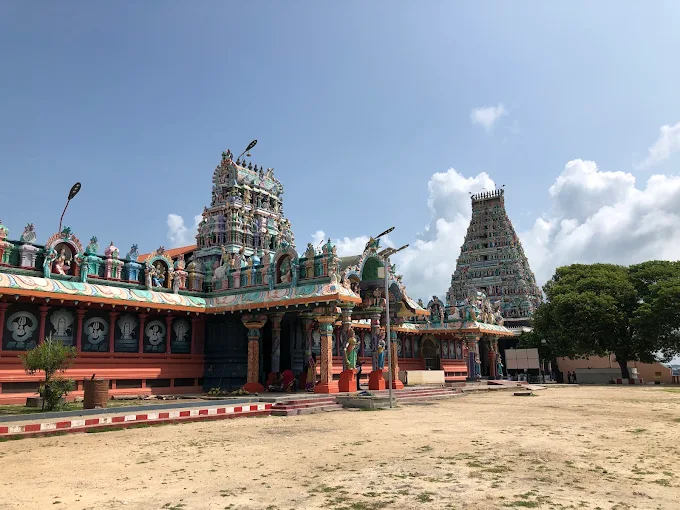
Nainativu Nagapooshani Amman Temple is one of the most revered ancient Shakta Peethas in South Asia, situated on the sacred island of Nainativu (historically known in classical Tamil literature as Manipallavam) in the Palk Strait off the Jaffna Peninsula. According to Shakta lore and traditions recorded in the Tantra Chudamani and the Shakti Peetha Stotram, this shrine marks the sacred spot where the silambu (sacred ornamental anklets) of Goddess Sati fell when her body was severed into pieces by Lord Vishnu's Sudarshana Chakra during Lord Shiva's grief-stricken cosmic dance (Rudra Tandava). Here, Devi is venerated as Sri Nagapooshani Amman (the divine mother adorned with serpents, identified also with Bhuvaneshwari and Indrakshi), while her consort Lord Shiva is worshipped as Nayinaar Swami (also referenced in canonical Peetha lists as Rakshaseshwar).
Devotees regard the goddess as an exceptionally protective, maternal manifestation of the Primordial Energy (Adi Parashakti). The sacred icon within the sanctum is represented alongside a primeval five-headed stone cobra, symbolizing mastery over primordial kundalini energies and eternal protection against poisonous afflictions. A core pillar of devotional faith at this temple is the offering of worship by couples seeking progeny; tradition holds that tying miniature cradles (thottil) to the sacred temple tree and witnessing the midday Uchikkala abhishekam invokes the Mother's blessings for conception and righteous offspring. Furthermore, its unique maritime location on an island, historically surrounded by seafaring communities, has made the goddess the guardian deity for ocean travelers, international pilgrims, and merchants seeking safe passage and prosperity.
The history of Nainativu Nagapooshani Amman Temple combines ancient civilizational roots, classical literary records, colonial destruction, and modern revival. According to sacred lore and the Brahmanda Purana, the initial worship at this site was performed by Indra, the king of the devas, who sought absolution from the curse of Sage Gautama by consecrating an icon of Devi, granting her the name Indrakshi. Another pervasive regional tradition describes a holy dispute between an eagle (Garuda) and a devout serpent (Naga) that was swimming across the sea to offer a lotus flower to the Goddess; a chola merchant named Mananaikan interceded, dedicating his ship's wealth to appease Garuda and honor the Goddess, which laid the foundation for maritime worship at the island.
Historically, Nainativu is identified with Manipallavam, celebrated in the ancient Tamil Sangam-era post-classical epics 'Manimekalai' and 'Kundalakesi' as an island sanctified by Buddhist and Hindu ascetic journeys, sacred footprints, and tutelary sea deities. Epigraphical verification of the island's antiquity and historical status is provided by a 12th-century stone edict inscribed in Tamil by King Parakramabahu I (1153–1186 CE), discovered near the temple premises, which sets forth maritime regulations, tax concessions, and state protections for foreign merchant vessels landing or shipwrecked off the island.
During the colonial period of Portuguese domination over the Jaffna Kingdom, the ancient stone temple was completely destroyed in 1620 CE as part of their systemic eradication of non-Christian religious monuments. Priests and local devotees managed to conceal and protect sacred idols, submerging certain icons in wells and the sea. The shrine remained in ruins throughout much of the 17th century until the Dutch period, when religious tolerance improved. Between 1720 and 1790 CE, the temple was painstakingly reconstructed through the efforts of local devotees and leaders, notably led by Ramalinga Swamigal. In the 20th and 21st centuries, the temple was developed into an expansive Dravidian architectural marvel featuring elaborate mandapas and four ornate gopurams, including the magnificent 108-foot eastern Raja Raja Gopuram facing the ocean jetty. Despite damage sustained during internal civil conflicts in the region, the sanctum was consecrated through major Kumbhabhishekams, drawing diaspora pilgrims from across the globe.
Devotees traditionally believe that offering milk abhishekams and prayers to Nagapooshani Amman neutralizes malefic serpent afflictions, Rahu-Ketu planetary doshas, and recurring nightmares related to snakes.
It is an age-old tradition for childless couples to undertake a pilgrimage here, tie miniature wooden cradles (thottil kattuthal) to the sacred sthala vriksham, and seek the Mother's grace for healthy conception and protection of infants.
Commemorating the mythological event where Lord Indra was relieved of Sage Gautama's severe curse upon worshipping Devi here, devotees believe the shrine bestows freedom from deep ancestral and karmic burdens.
Historically worshipped by ancient seafaring merchants across the Palk Strait, the deity is considered a benevolent guardian against oceanic dangers, accidents, and sudden life catastrophes.
Devotional tradition asserts that praying before the five-hooded serpent sanctuary cleanses bodily ailments, neutralizing poisonous toxins, venomous bites, and chronic health conditions.
A sacred ritual performed by priests pouring pots of fresh cow's milk over the deities and the primeval five-headed serpent stone to mitigate Sarpa Dosha and earn spiritual merit.
A traditional devotional act where aspiring parents purchase or tie a symbolic miniature cradle to the sacred temple tree, accompanied by special sankalpa archana.
Chanting of the thousand divine names of Goddess Lalita / Bhuvaneshwari by the temple Adishaiva priests on behalf of the devotee's family nakshatra and gotra.
Major festival sevas performed during the 16-day annual Aani Thiruvizha, wherein the deities are taken out in monumental wood-carved chariots (Ther) and illuminated swan/golden vehicles (Manja Thiruvizha).
No festivals available.
📍 62.22 km away

📍 75.79 km away
📍 81.81 km away
📍 82.54 km away
📍 84.47 km away
📍 91.15 km away
Stays near Nainativu Nagapooshani Amman Shakti Peetha

📍 Near Kurinji Andavar Temple · 259.7 km
stayStarting from ₹2,000 / night
Discover more temples you may be interested in
You may also like these temples