☰
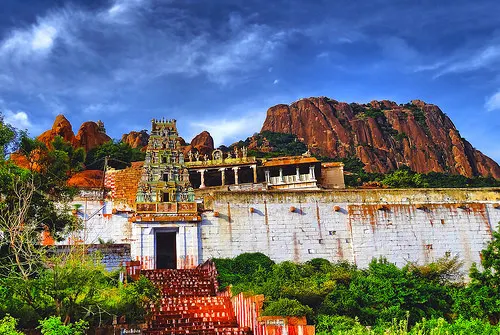
🛕 Lord Shiva | 📍 Singampunari, Madurai, Tamil Nadu
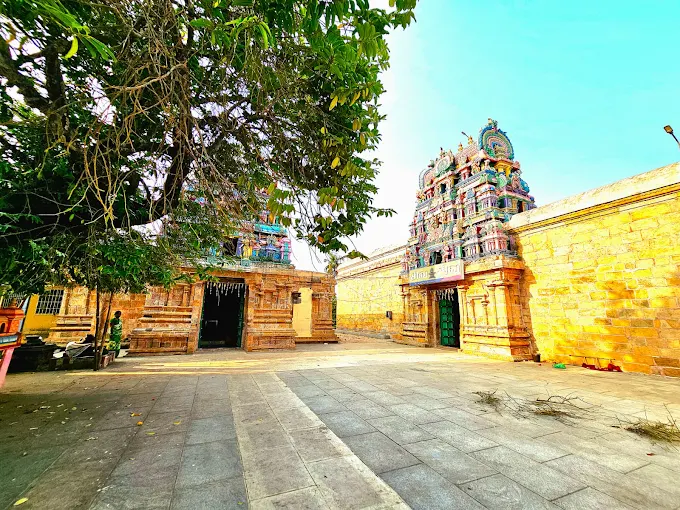
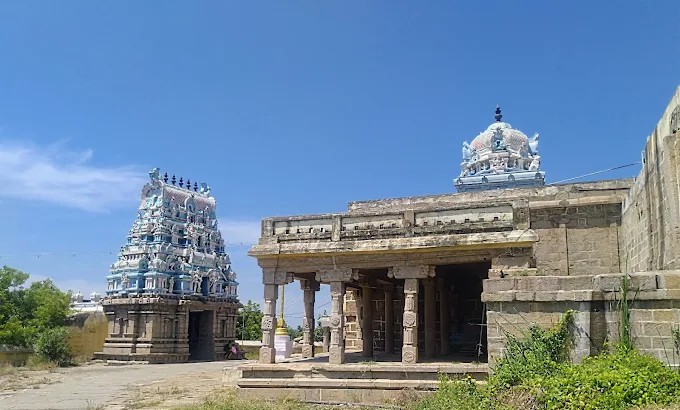
Piranmalai Kodunkundreeswarar Temple, historically known as Tirukodunkundram, is an ancient hill temple and the 5th holy Shiva sthalam in the Pandya region glorified in the 7th-century Thevaram hymns by Saint Tirugnanasambandar. Murugan residing here is praised in the Tiruppugazh hymns by Saint Arunagirinathar. The temple is architecturally and spiritually unique for its three distinct vertical levels, traditionally conceived as representing the three cosmic realms: Padala Lokam at the foot, Bhoolokam in the middle, and Kailasam at the summit. At the base lies the swayambhu (self-manifested) Shiva Lingam worshipped as Sri Kodunkundranathar alongside Goddess Kuyilamudhanayaki (Kuyilamritanayaki). The middle tier features Sri Viswanathar, Goddess Visalakshi, and a renowned rock-cut shrine dedicated to Sri Vaduga Bhairavar. The upper tier enshrines Sri Mangaibaagar (Uma Maheswarar) with Thenammal in celestial wedding posture (Kalyana Kolam), said to have been revealed to Sage Agastya. A rare architectural marvel ensures that between the Tamil months of Aippasi and Panguni (October to April), morning sun rays illuminate the sanctum sanctorum of the primary deity. The temple also houses a rare Jwara Bhagna Murti (Jwarahareswarar) depicted with three faces, three legs, and nine eyes, along with a sacred 'Uranga Puli' (sleepless tamarind tree) whose leaves do not fold at night and whose tamarind never ripens.
Piranmalai holds deep antiquarian roots dating back to the Sangam era (c. 3rd century BCE – 3rd century CE), when it was called Parambu Malai, the capital of Parambu Naadu ruled by King Vel Paari, one of the legendary 'Kadai Ezhu Vallalgal' (seven great benevolent chieftains). Paari is immortalized in Tamil literature for generously offering his royal golden chariot to support a fragile wild jasmine vine (Mullai). The hill was subsequently referenced in religious texts and legends; Saint Tirugnanasambandar visited the site in the 7th century CE and reverently hailed the lingam-shaped mountain as 'Em Piran Malai' ('The Mountain of Our Lord'), which gradually transformed into 'Piranmalai'. Epigraphical records at the complex document early Pandya rock-cut excavations and contributions, medieval Pandya grants, and Vijayanagara royal charters, including those of Saluva Immadi Narasimha Raya. Of great historical importance is an extensive Tamil inscription by the prominent medieval international merchant guild known as 'Thisai Aayirattu Ainnootruvar' (The Five Hundred of the Thousand Directions), detailing mutual agreements, toll levies, and commercial endowments dedicated to temple rituals and maintenance. During the 18th century, the Marudhu Pandiyar chieftains of Sivagangai—Periya Marudhu and Chinna Marudhu—fortified the foothills as Fort Marudhu and constructed extensive pillared mandapams for the temple. The brothers famously sheltered Oomaithurai, younger brother of freedom fighter Veerapandiya Kattabomman, within an elusive cave inside the hill known to this day as 'Umaiyan Kudambu'. In the early 19th century, the outer fort was dismantled during the Polygar Wars by the British East India Company.
According to traditional belief, praying to Sri Mangaibaagar and Mother Thenammal—who reside in the eternal divine wedding posture (Kalyana Kolam)—and offering vastrams removes severe marital delays and harmonizes discord between married couples.
Devotees traditionally propitiate Sri Vaduga Bhairavar located in the middle rock terrace on Ashtami and Bharani days with black vastram and lemon garlands to seek refuge from fear of enemies, evil spirits, and recurring life hurdles.
The presence of the rare Jwara Bhagna Murti (Jwarahareswarar) with three faces and three legs is traditionally invoked through prayers and abhishekams by devotees seeking recovery from prolonged illnesses and debilitating fevers.
Devotional tradition holds that offering white garments and special prayers to Goddess Kuyilamudhanayaki mitigates the adverse astrological impacts of Planet Venus (Sukra).
As the murti of Mangaibaagar on the summit is traditionally composed of sacred herbs, regular water abhishekam is omitted; instead, fragrant herbal paste, civet oil (punugu), and special thailam are applied on Fridays.
Elaborate bi-monthly puja performed during Krishna Paksha Ashtami to Lord Vaduga Bhairavar featuring homam, vada malai, and lemon garland offerings.
Fortnightly evening twilight worship with special milk abhishekam and Rishabha Vahana procession for Kodunkundranathar during Trayodashi tithi.
Annual heritage celebration held on the 7th day of the Chithirai Brahmotsavam commemorating the historical philanthropy of King Vel Paari with chariot rituals.
No festivals available.
📍 28.62 km away
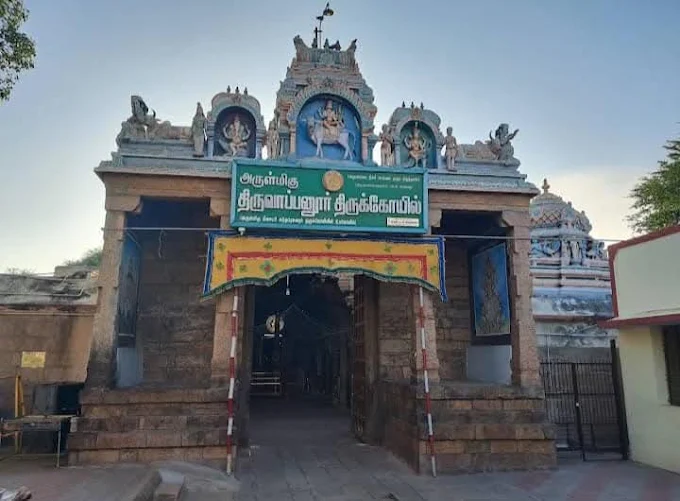
📍 48.79 km away
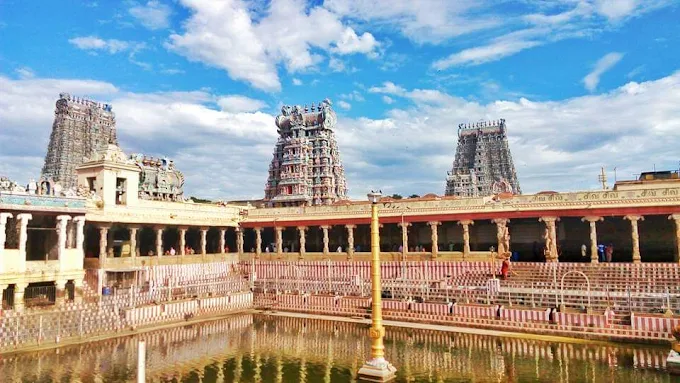
📍 49.90 km away
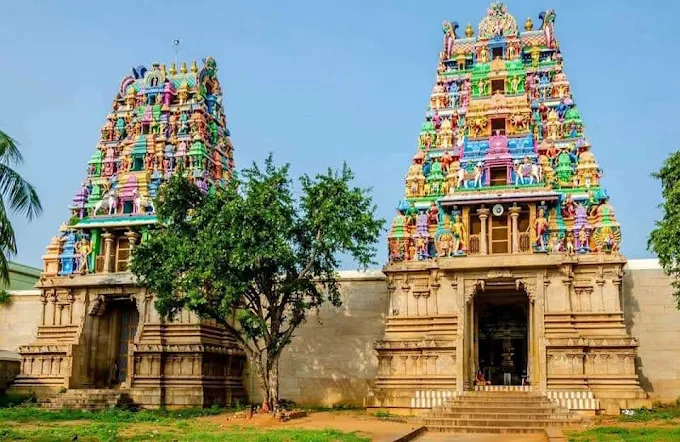
📍 56.28 km away
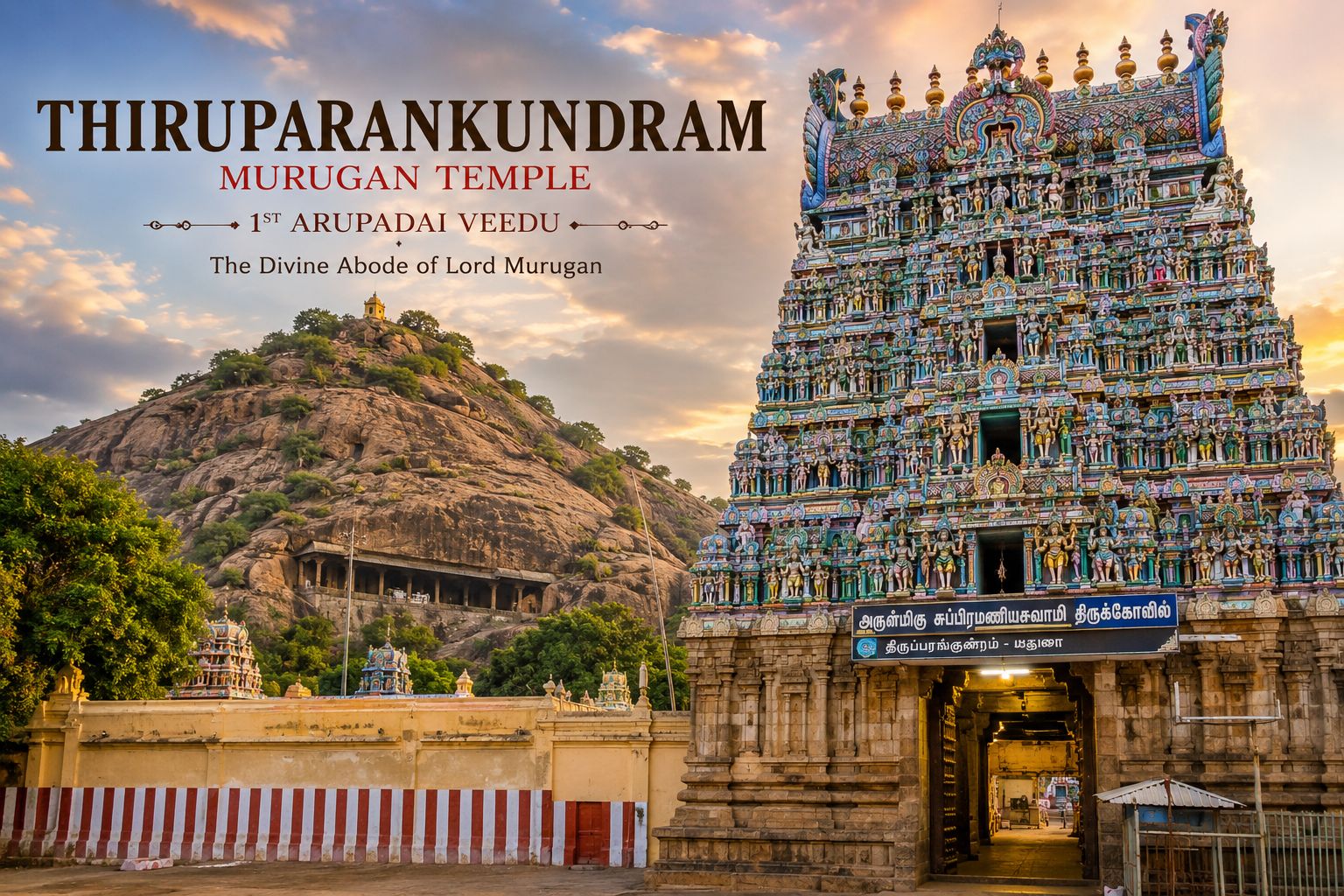
📍 56.72 km away
📍 68.49 km away
Stays near Piranmalai Kodunkundreeswarar Temple

📍 Near Kurinji Andavar Temple · 104.0 km
stayStarting from ₹2,000 / night
Discover more temples you may be interested in
You may also like these temples