☰
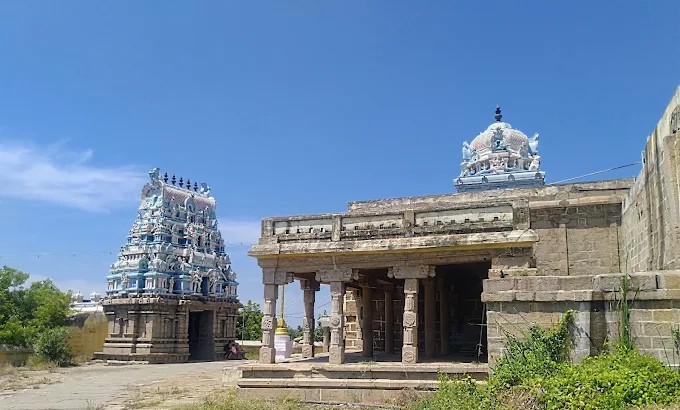
🛕 Lord Shiva | 📍 Uyyakondan Thirumalai, Tiruchirappalli, Tamil Nadu
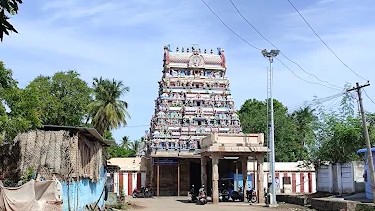
Ujjevanathar Swamy Temple, situated on the rocky hill of Uyyakondan Thirumalai near Tiruchirappalli, is an important Shiva temple belonging to the Paadal Petra Sthalams, the sacred temples celebrated in the Tevaram hymns of the Tamil Saiva Nayanmars. The temple is associated with the ancient historical name Tirukarkudi, while the hill and surrounding settlement are today known as Uyyakondan Thirumalai. Shiva is worshipped here as Ujjevanathar or Ujjivanathar, while the principal goddess is Anjanakshi Amman.
The name Ujjevanathar is traditionally connected with the idea of restoration of life. According to temple tradition, the sage Mrikandu and his wife prayed to Shiva for a child. Shiva offered them a choice between a long-lived but less accomplished son and a brilliant son whose life would last only sixteen years. They chose the latter, and Markandeya was born. When Markandeya's destined sixteenth year arrived, Yama came to take his life. The young devotee sought refuge in Shiva, and the Lord protected him. This tradition is closely associated with Shiva's protection of Markandeya and the temple's name Ujjevanathar, "the Lord who gives renewed life."
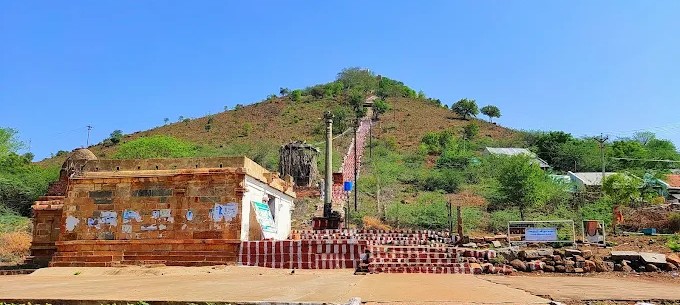
The temple is particularly interesting because it stands on a small rocky hill, giving it a distinctive hill-temple character while remaining closely connected with the fertile Kaveri-region landscape. The temple complex covers several acres and contains multiple shrines and prakarams. Traditional accounts describe the hill as approximately 50–100 feet high, with a flight of steps leading devotees upward to the temple.
The temple's sacred geography is also connected with several theerthams, including Ponnolir Odai, Kudamurutti, Gnanavavi, Enkona Kinaru and Narkona Kinaru. The sacred tree associated with the temple is the Vilva tree, which has a strong association with Shiva worship.
Ujjevanathar Temple has a long historical association with the Chola region around Tiruchirappalli. The temple is identified with the ancient place-name Tirukarkudi, while Uyyakondan Thirumalai became the commonly used name for the hill and settlement. The temple's antiquity is reflected not only in its religious importance as a Paadal Petra Sthalam but also in its inscriptions and surviving architectural elements.
The Virtual Museum of Images and Sounds (VMIS) records inscriptions associated with the temple beginning with the reign of Parantaka Chola I, including an inscription from his 34th regnal year corresponding to 941 CE. Other inscriptions are associated with the reign of Uttama Chola and the Chola queen Sembiyan Mahadevi. The temple's principal deity appears in the inscriptional record under the name Tirukkarkkudi Paramesvarar.
The connection with Sembiyan Mahadevi is particularly significant for understanding the temple's Chola-period history. She was an influential Chola royal patron of temple construction and renovation, and inscriptions connected with the Ujjivanatha temple record her contribution, including the donation of a crown for the deity. Such inscriptions provide historical evidence for the temple's importance within the Chola religious and administrative landscape.
The temple continued to receive attention during later Chola periods. Records associated with Kulothunga Chola I have also been identified, demonstrating that the shrine remained an active religious institution over successive generations. Therefore, rather than describing the entire present temple as belonging to one single period, it is more accurate to understand it as a monument that developed through several stages of construction, renovation and patronage.
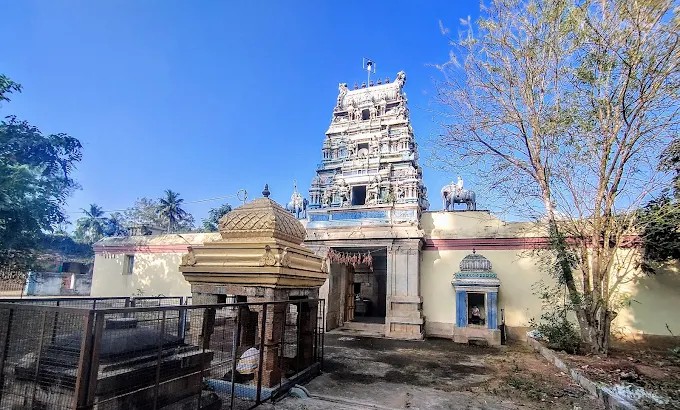
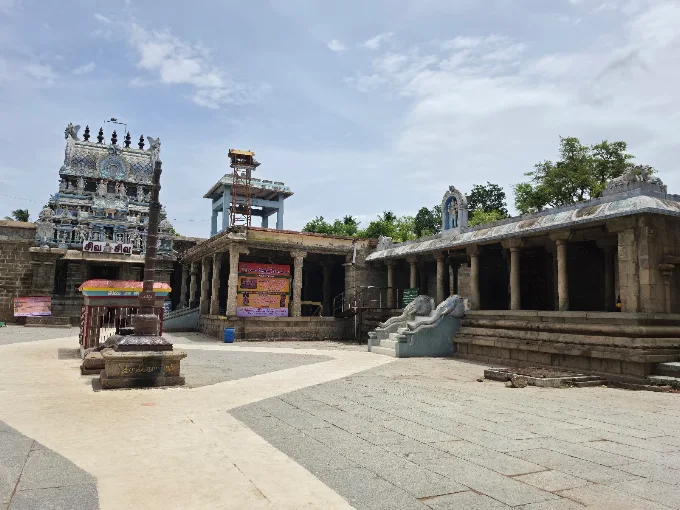
Architecturally, the temple is distinctive because it is situated on a rocky hillock and has characteristics associated with a Maada Kovil-style elevated temple arrangement. The principal shrine is approached by steps, and the complex contains separate shrines for Shiva and the goddess. Traditional descriptions also note the presence of another goddess shrine dedicated to Balambikai, along with shrines for Ganesha, Murugan with Valli and Deivanai, Bhairava, Surya and Saneeswara.
The temple's religious importance was preserved through the Tevaram tradition. Shiva of Tirukarkudi was praised by the three principal Tevaram Nayanmars — Tirugnana Sambandar, Tirunavukkarasar (Appar) and Sundarar. It is traditionally counted among the Paadal Petra Sthalams on the southern bank of the Kaveri.
The temple therefore represents several layers of Tamil religious history: early Shaiva devotional literature, Chola inscriptional history, hill-temple architecture and the enduring Markandeya tradition. For MandirVaas, it can be presented as an important Tiruchirappalli Paadal Petra Sthalam and Chola heritage Shiva temple.
No daily poojas available.
No special rituals available currently.
No festivals available.
Dress Code: Traditional and modest clothing is recommended.
Photography: No
Prasad: Not Available
Prasad Details: Prasadam is available according to temple arrangements.
📍 2.26 km away

📍 3.13 km away
📍 4.31 km away

📍 6.20 km away

📍 6.46 km away
Stays near Ujjevanathar Swamy Temple

📍 Near Nachiyar Kovil (Thirunarayur Nambi Temple) · 89.1 km
stayStarting from ₹4,500 / night

📍 Near Kurinji Andavar Temple · 143.0 km
stayStarting from ₹2,000 / night

📍 Near Kasi Vishwanathar Temple · 1,675.7 km
Starting from ₹1,200 / night


📍 Near Kasi Vishwanathar Temple · 1,675.7 km
Starting from ₹1,200 / night
Discover more temples you may be interested in
You may also like these temples